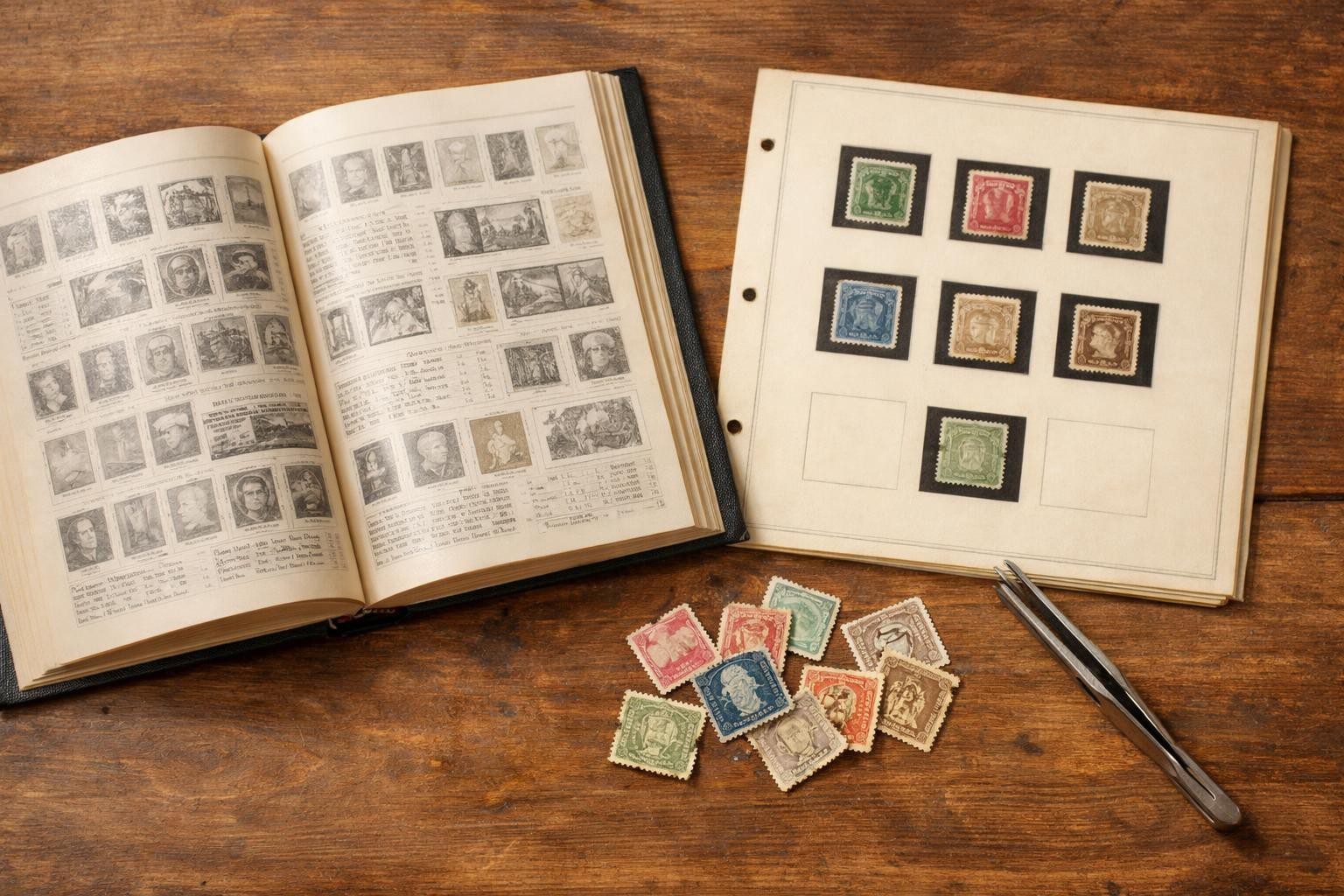
When it comes to the hobby of stamps, novice collectors rely on the best stamp collecting books to educate themselves on the types and values of the stamps they seek. We’ve created our list of the top 4 most popular books for stamp identification.
While many philatelists collect stamps from all over the world, the vast majority of collectors here in the U.S. collect United States stamps. So, our list of the best stamp collecting books are for U.S. collectors.
#1 Scott Specialized Catalogue Of United States Stamps And Covers
By Amos Media, 299 pages
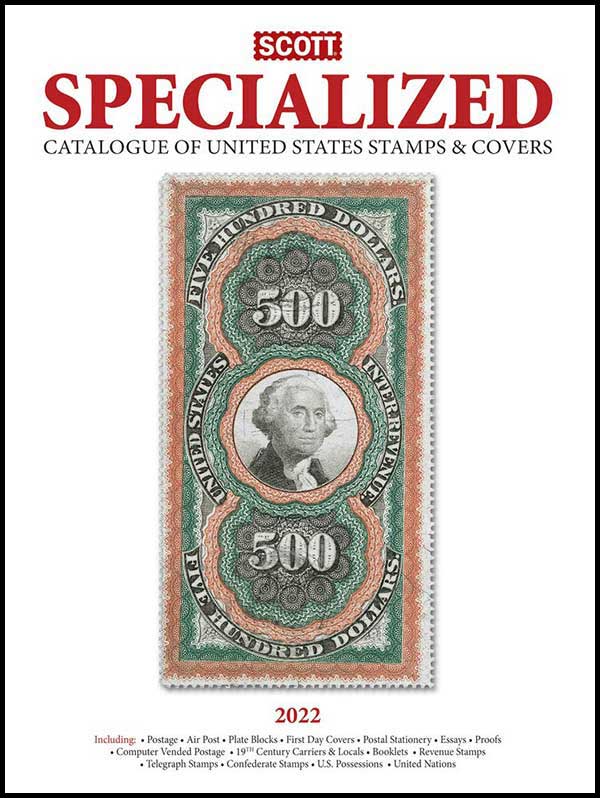
This is the Holy Bible for collectors specializing in United States stamps. It contains every stamp issued by the United States Postal Service, starting in 1847. In this book you’ll discover the different issues, ways to distinguish various varieties, and the retail values for each stamp.
Aside from helping you identify each stamp, the catalogue also provides some useful information about the impact of condition on value. Each stamp is assigned a Catalogue Number that is used in buying, selling, and trading in the stamp market. All U.S. collectors agree and refer to the number assignment provided by this book.
Where to find: Amos Publishing
#2 The Expert’s Book – A Practical Guide To The Authentication Of United States Stamps Washington/Franklin Issues 1908-1923
By Paul W. Schmid, 210 Pages
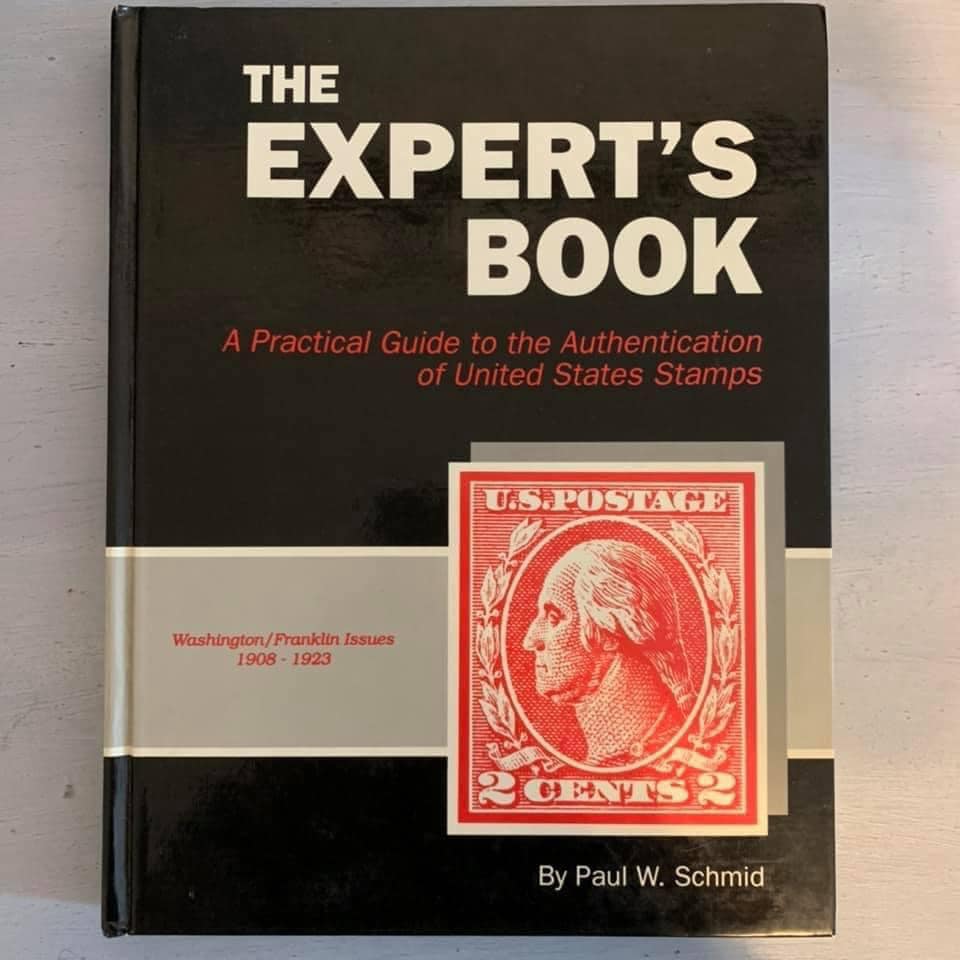
While this book title may be a mouth full, it’s considered the best guide into what is known as the most troublesome area in United States stamp collecting. The so-called Washington Franklin Issues.
While at first glance the stamps from this era look the same, there are minuscule differences between them that can mean the difference of junk to treasure. This stamp collecting book goes into detail how to distinguish the differences between authentic varieties and the thousands of counterfeits that flood the market.
Where to find: Amazon
#3 The Micarelli Identification Guide to U.S. Stamps: Regular Issues 1847-1934 Stamps
By Charles Micarelli, 163 pages
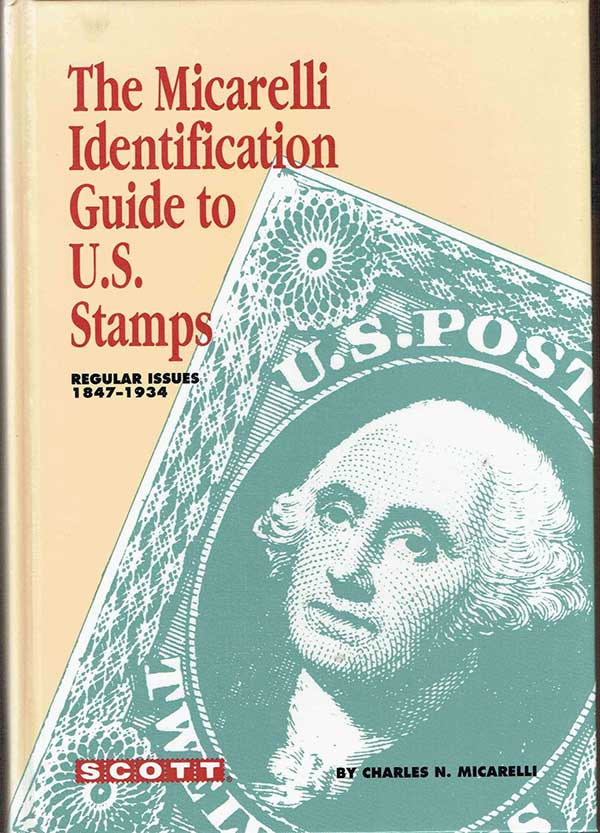
This book dives deeply into the classic stamps issued between 1847-1862. Stamps in this era have several variations in their design that helps distinguish their assigned catalogue number (Scott’s). Many of the early issues have tiny differences or secret marks that affect their rarity. This book illustrates the different designs and small difference to look for to help you correctly identify each stamp.
Where to find: Abe Books
#4 How to Detect Damaged, Altered, And Repaired Stamps
By Paul W. Schmid, 105 pages

Condition is everything when it comes to stamp collecting. Damaged stamps are worth a lot less than a sound version. Many high value stamps have been expertly repaired over the years. These stamps may be sold as sound, when in reality they are not. Learn what to look for on potentially repaired stamps so that you can confidently buy and sell based on condition.
There are also stamps in the market that have been altered to look like their much more rare and expensive counterparts. Trimming away perforations, or “reperfing” a stamp to measure differently are common methods of alteration. This book may save you hundreds, if not thousands of dollars in the long run.
Where to find: Amazon
In Conclusion
Some of these stamp collecting books can be pricey and difficult to find, but can save you lots of money over the long haul. There’s nothing more powerful than knowledge. Arming yourself with the most crucial information will make you a more savvy collector. We hope you are able to add these books to your library. Happy collecting!
Just starting the hobby? Check our Ultimate Guide To Stamp Collecting
Which Catalog To Use For Identifying Value
Books that teach the hobby and catalogs that price the hobby serve different purposes, and a reader looking for a valuation needs a catalog rather than a guide. Three characteristics separate a catalog useful for identifying value from one that is not.
A catalog useful for identifying value assigns a unique reference number to every recognized issue, and that reference number is what allows a stamp to be discussed with a dealer, an auction house or an appraiser without ambiguity. A catalog that photographs designs without numbering issues permits a design to be recognized and does not permit an issue to be identified.
A catalog useful for identifying value records the technical characteristics that separate one issue from another issue of the same design. Perforation gauge, watermark, paper type, printing method and shade are the characteristics concerned, and those characteristics routinely separate a stamp worth a few cents from a stamp worth several hundred dollars. A catalog that omits those characteristics cannot support a valuation of anything other than obviously common material.
A catalog useful for identifying value states the basis on which its prices are constructed. Catalog value published in a reference work represents a retail price for a sound specimen sold by a dealer to a collector who specifically wants that issue, and catalog value does not represent what a dealer pays for the same stamp. Realized prices for common material routinely fall between five and twenty percent of catalog value, and an owner who treats catalog value as an expected sale price will be disappointed by every offer received.
For United States material the Scott catalog is the reference standard, and a recent edition held at a public library is sufficient for nearly every purpose a private owner has. For British and Commonwealth material the reference standard is Stanley Gibbons, for German material and much of the rest of European material the reference standard is Michel, and for French and French colonial material the reference standard is Yvert et Tellier. A collection containing significant foreign material is assessed more accurately against the catalog standard of the country of issue than against a worldwide catalog, because a specialist catalog records varieties that a worldwide catalog condenses or omits.
Free catalogs published by dealers occupy a different category again, because the prices printed in a dealer’s retail catalog are that dealer’s asking prices rather than market prices. The comparison is set out in full in our guide to the Mystic Stamp Company catalog and the Scott catalog.
No catalog answers the question of what a specific collection will sell for. That question is answered by realized prices, meaning completed auction results and recorded dealer sales, and a stamp appraisal is the route to having that work done rather than attempted from a catalog.