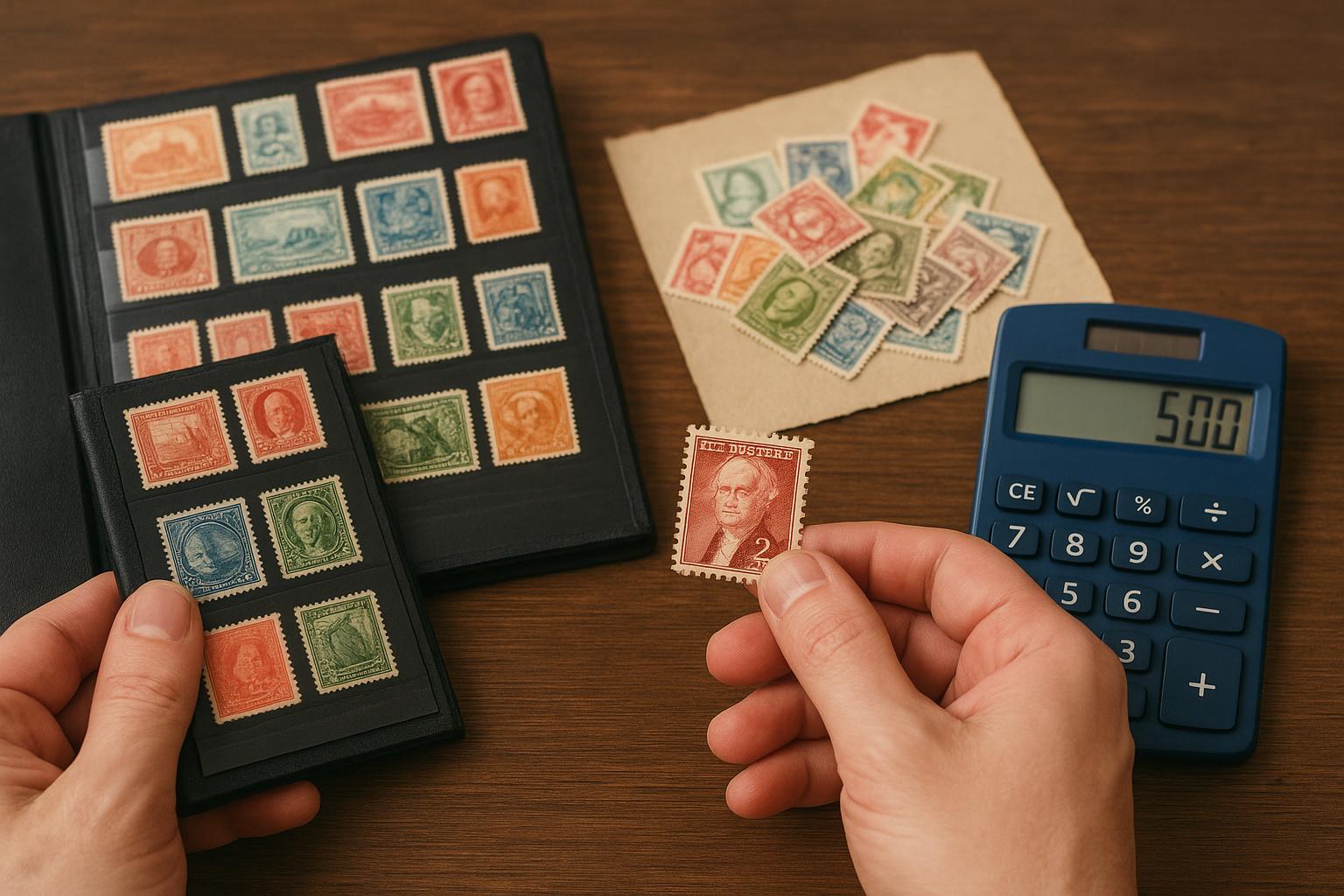
Catalog Value Vs Selling Price In Stamp Collecting: Why They Differ
Most collectors treat a catalog price like gospel. They flip to a listing, see a number beside a scan, and assume that’s what the stamp is worth. It’s not. Catalogs are reference tools — useful, but blunt. They show a theoretical number under specific conditions, not the price you’ll actually see when a buyer and seller meet.
Common Misconceptions About Catalog Value
People mix up list price with real money. A catalog value is typically based on an item in the stated condition — usually “very fine” or similar — and with average market demand from when the catalog was compiled. That’s the first gap. The second gap is emotion: collectors pay premiums for rarity, eye appeal, or to complete a set, and bidders sometimes ignore catalog numbers entirely. I’ve seen a common use case: a common stamp in superb color sells for more than its catalog value because it looks great in a display. Conversely, a stamp with faults can be barely worth a fraction of the listed figure.
How Market Forces Shape Selling Price
Selling price is what someone pays. It’s set by supply and demand in the present, not by a static list. Auctions reveal this plainly. A catalog value may peg a stamp at $200, but a niche group of specialists might chase it to $400. Or it may sit in a dealer’s tray for months at the catalog price with no takers. Age of data matters. Catalogs are expensive to update and often lag behind trends; a hot collecting theme or a sudden surge in interest can move selling prices quickly.
Grading And Condition: Tiny Differences, Big Effects
Why Condition Changes The Math
Tears, thins, hinge marks, and centering are not just aesthetic issues. They change a collector’s willingness to pay. Two copies of the same stamp can carry wildly different price tags based on where the gum is, whether perforations are intact, or if the cancel is neat. Catalogs list grades and values, but your copy rarely fits the idealized grade exactly.
Professional Grading Versus Personal Taste
Professional grading adds consistency, but it isn’t infallible. A stamp graded XF may still be less attractive than an ungraded copy with killer color. Grading helps when selling to serious buyers or auction houses, yet casual buyers often trust visual appeal more than a label.
Scarcity, Provenance, And Market Niches
Scarcity is straightforward: fewer examples usually raise prices. But scarcity alone doesn’t replace demand. A stamp could be scarce yet uninteresting to most collectors; its price will reflect that. Provenance can flip interest on in an instant. A stamp from a famous collection brings buyers who want a piece of history. That can push selling price well above catalog value.
Niche markets matter. Thematic collectors pay more for stamps that fit a topic — trains, birds, or medical history, for example. If a catalog is broad, it won’t capture these micro-premiums, and that widens the gap between catalog value vs selling price in stamp collecting.
Platforms And Sales Channels Matter
An eBay listing, a dealer’s glassine, and a specialized auction each produce different sellers and buyers. Online marketplaces attract bargain hunters and amateurs. Specialist auctions draw invested collectors and institutions prepared to bid aggressively. Dealers often price conservatively to move stock, so their selling prices can be at or below catalog value. Auctions can go higher than catalog values if multiple bidders want the same item.
Negotiation, Timing, And Presentation
Presentation changes outcomes. A well-lit, high-resolution photo that highlights desirable features will get attention. Good captions and provenance notes do the same. Timing matters too. Listing a floral-theme stamp during a popular exhibit or conference can spur higher selling prices.
If you’re buying, remember negotiation is real. Sellers often list above the price they expect to get. That creates space for offers. If you’re selling, don’t be shy about showing why your piece deserves more than the catalog number.
Understanding Price Vs Value In Practice
“Price vs value” is a conversation every collector should have with themselves. Price is what you pay; value is what that item gives you — enjoyment, completeness, investment potential. A mint, never-hinged stamp might command a higher price but not necessarily more personal value if you prefer used stamps with historical cancels. The catalog value offers a benchmark, but you decide what the stamp is worth to you.
Real Examples That Illustrate The Gap
A Popular Misprice
I watched a classic definitve listed at a dealer’s fair with a catalog value of $350. It had a small tear behind the selvage, invisible from the front. The dealer displayed it at $175 and moved it within a day. The catalog number didn’t reflect the hidden fault or the buyers’ lack of appetite for that issue.
A Surprise Premium
At a regional auction, a block of four from a short-run printing sold for four times its catalog value. Why? The block had intact margin inscriptions and delightful color, and there were only a handful known. Catalogs list single-stamp values but often underplay the multiplier effect of blocks and plate blocks. That difference embodies catalog value vs selling price in stamp collecting.
Tips For Buyers And Sellers
For Buyers
- Treat catalog values as starting points.
- Inspect or get a return policy for condition.
- Watch completed auction results for recent selling prices on similar items.
For Sellers
- Price with the market, not the catalog.
- Use clear photos and note any flaws openly.
- Consider auctioning rare items where competition can drive prices above catalog listings.
Where Catalogs Still Shine
Catalogs remain invaluable for cross-referencing varieties, knowing issued quantities, and checking historical prices. They’re essential tools for beginners and experts alike. But where they fall short is in capturing current buyer sentiment, the emotional premium for eye appeal, and niche demand spikes. That’s why conversations about catalog value vs selling price in stamp collecting keep popping up in forums and at club meetings.
Catalogs give you a map. The market shows you the terrain. You need both to make informed choices, and you should expect gaps between the two — sometimes small, sometimes dramatic. If you want to buy smart or sell well, learn to read both the list and the room. And remember: numbers on a page are not the whole story, they’re a point of reference in a messy, human market where taste and timing often decide teh outcome.