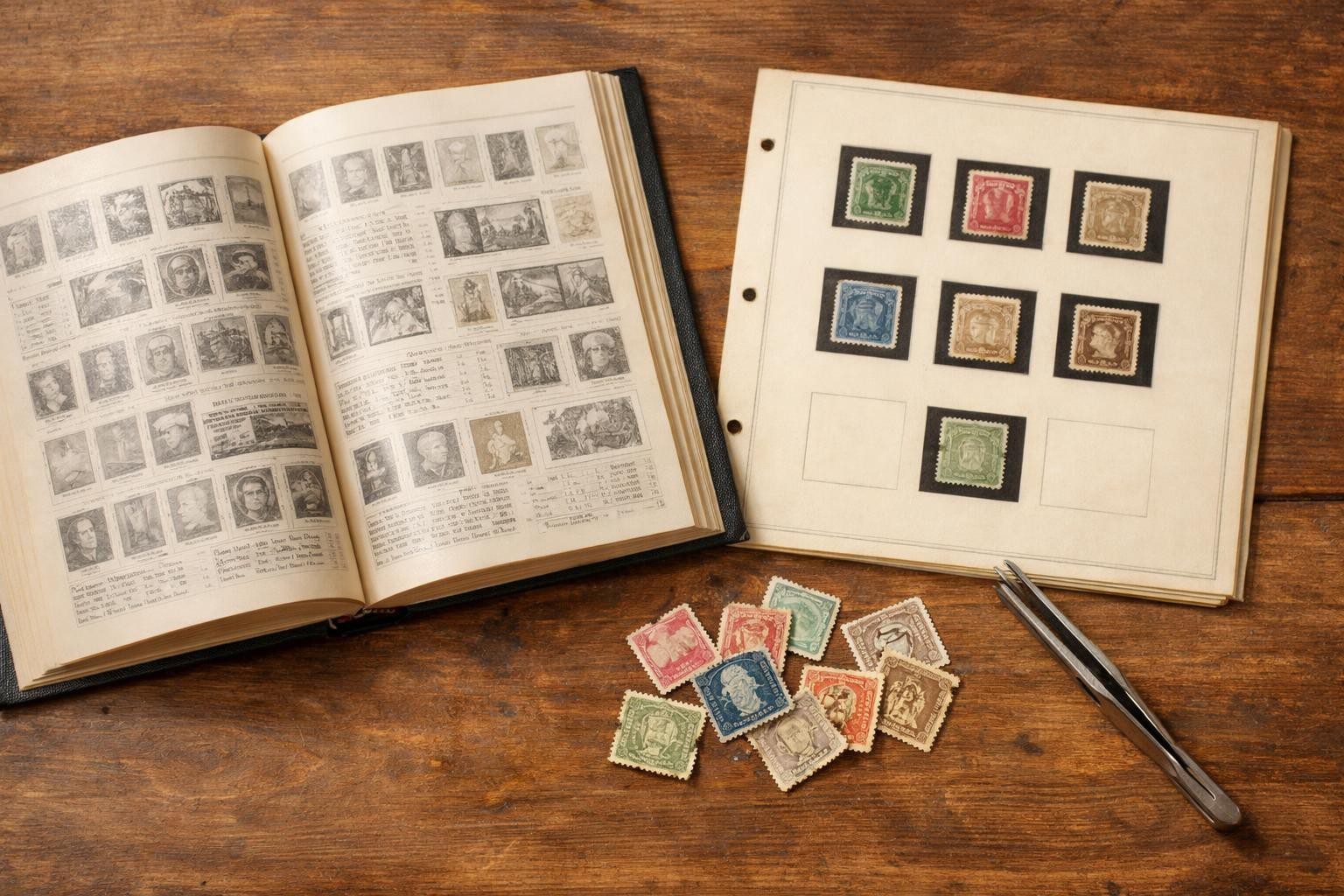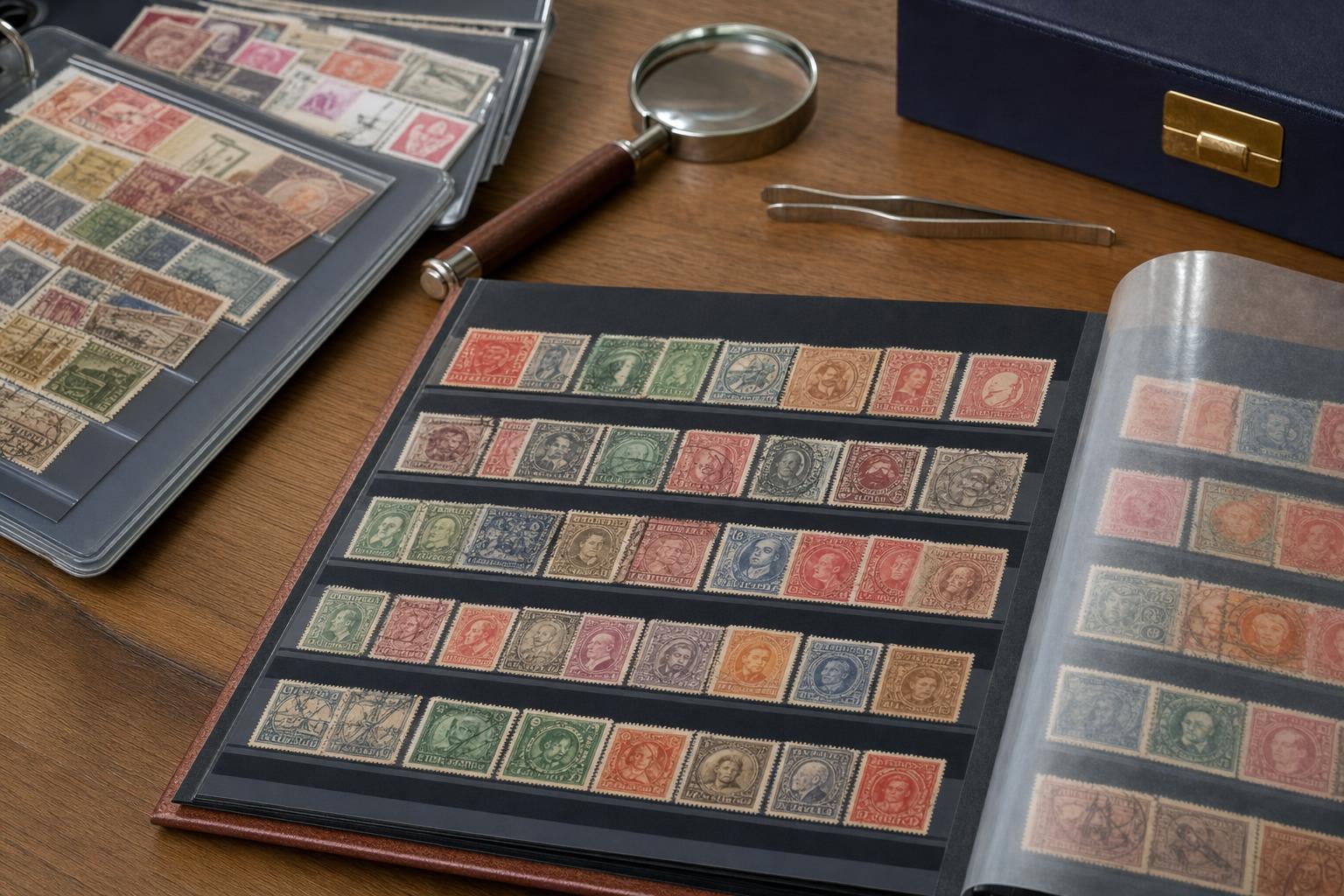
If you want to separate everyday postage from the collectible stuff, you need to be able to read a stamp the way a mechanic reads an engine. Look at design, paper, printing quirks and margins, and you’ll find patterns that separate regular issue workhorses from one-off honorifics.
## Definitive Stamp Identification Guide: Practical Steps
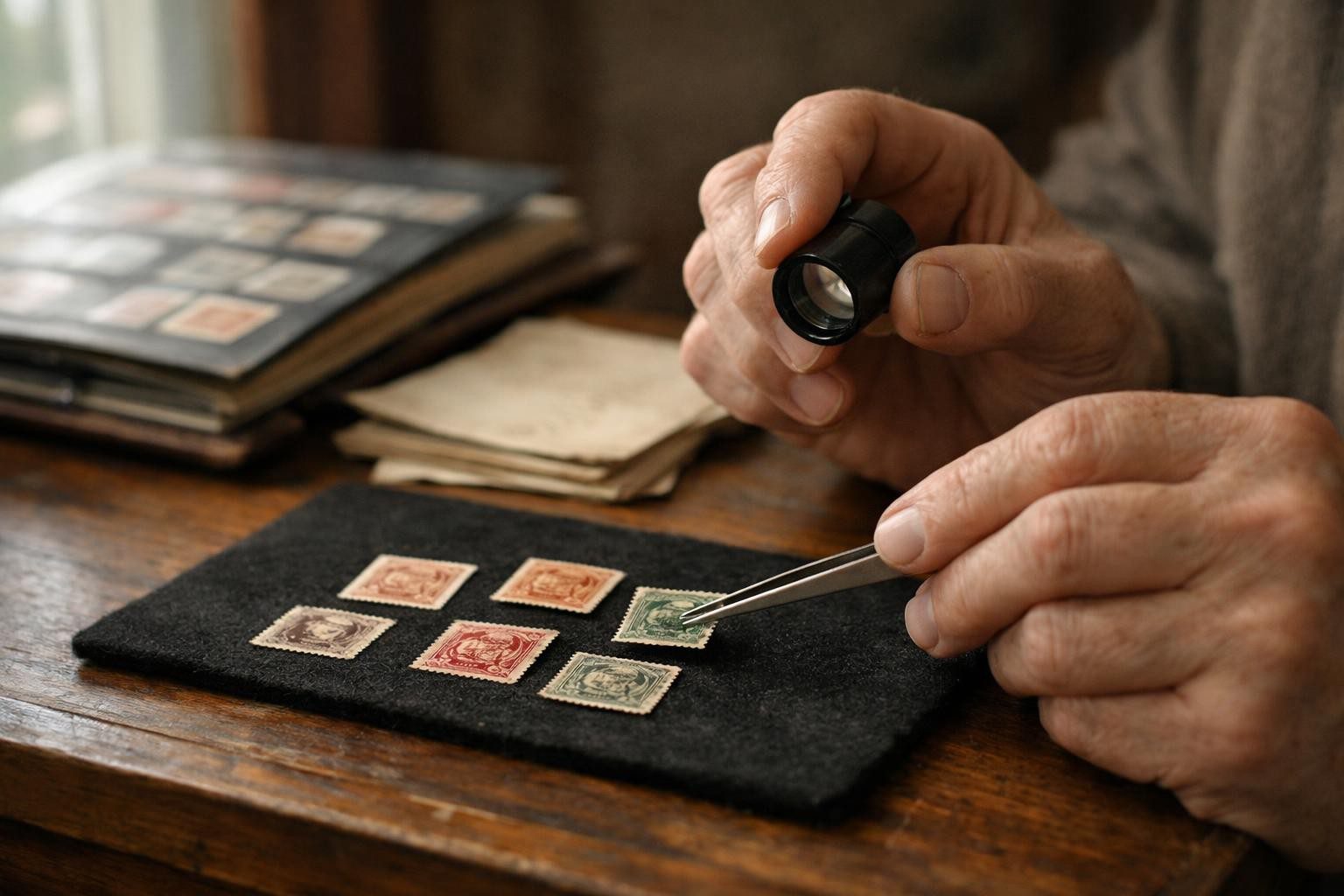
A practical definitive stamp identification guide focuses on features you can confirm without a degree in philately. Start with the obvious: size, subject, and denomination. Then move to physical clues: perforation, paper, gum, plate numbers and printing method. Use a loupe, a catalog and a good light, and you’ll be surprised how many attributions resolve in under five minutes.
### Look At The Subject And Purpose
Definitive stamps are the stamps the post office intends for everyday use. They typically show enduring subjects: presidents, national symbols, or generic themes like flags and flowers. Commemoratives, by contrast, celebrate events, anniversaries or people for a short run. If the image screams “this marks a single event,” you’re likely looking at a commemorative.
The phrase commemorative vs definitive matters when you value a stamp. Definitive stamps often circulate for years and have multiple printings; commemoratives are usually printed once and then gone. This matters for scarcity and price.
### Check Size, Color And Design Complexity
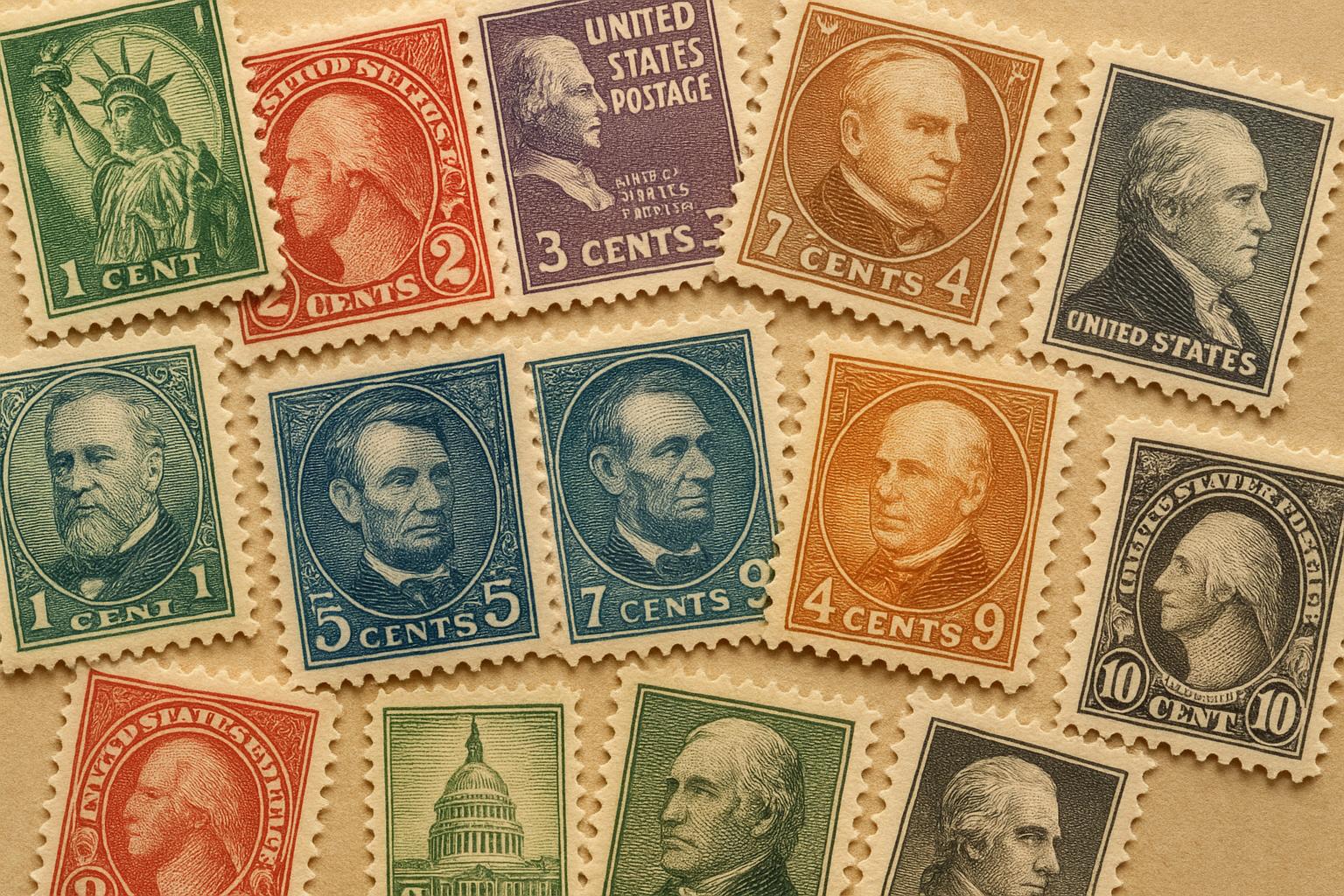
Definitive stamps tend to be smaller and plainer. Colors are often restrained, sometimes single-color, sometimes two. Commemoratives are bolder and more elaborate. Compare a 1¢ Presidential in restrained green with a full-color 50¢ anniversary stamp that shows a photo montage. One feels utilitarian; the other feels celebratory.
Also note denomination progression. Definitive sets commonly cover a wide range of postal rates: 1¢, 2¢, 3¢, 5¢, etc. If you see an oddball denomination sold only in a single release, that’s a clue toward commemorative status.
### Inspect Perforations, Paper And Gum
Perforation counts and type are huge ID clues. Many definitive issues come in coils or booklets, where perforation can vary on just one side. Check with a perforation gauge. If the stamp has imperforate edges or unusual perforation combos, it could be a speciality printing or a variety, not necessarily a commemorative, but worth noting.
Paper matters. Older US definitives often used soft, porous papers; later issues moved to more durable, coated varieties. Watermarks were common through mid-20th century issues. Use a watermark tray or hold the stamp to strong light. The presence or absence of a watermark can separate two otherwise identical-looking definitives.
Don’t forget gum. Unused definitives with original gum can still show printing differences that used examples hide. Gum color and texture sometimes indicate specific printings.
#### Watermarks And Invisible Features
Many definitives were printed with repeating watermarks like USIR, U S P S, or a more subtle pattern. Watermarks vary between printings, and catalogs list them. Invisible inks or security fibers show up under UV light. A cheap UV lamp tells you a lot quickly.
#### Printing Methods
How a stamp was printed—engraving, lithography, photogravure, or offset—changes how the design looks up close. Engraving gives raised lines and sharp white highlights; photogravure tends to be dot-heavy with soft edges. Many classic U.S. definitives were engraved, while some modern definitive stamps are offset litho or photogravure. A loupe at 10x will reveal the difference.
### Find Plate Numbers, Margins And Selvage
The margins of a sheet or booklet reveal production details. Plate numbers printed on selvage identify the press and plate used. Coil stamps usually came off long rolls and may show spool joins or varied perforation. Booklet panes have distinctive margins and sometimes plate numbers printed in the selvage that identify specific print runs. These tiny details often confirm a stamp as a definitive issue printed in large quantities.
### Use Tools: Catalogs, UV Light, And Microscopes
You will need a good reference—Scott is standard for U.S. stamps. Search by image and denomination. Online resources and forum communities are fast for quick ID but verify with a catalog entry before assigning value.
A 10x loupe, a perforation gauge, a watermark tray and a cheap UV lamp go a long way. A basic digital microscope or macro lens on a phone helps capture detail for later comparison. Don’t skimp; direct observation beats guesswork.
## How To Tell Commemorative Vs Definitive In Practice
When you’re deciding commemorative vs definitive for a particular issue, ask: Was the stamp meant to be permanent? Did it cover a logical rate series? Was it printed in huge quantities and reprinted? If you answer yes to two of those, it’s likely a definitive.
### Common U.S. Definitive Series To Know
– Washington-Franklin Issues (1908–1922): These are a headache to beginners. Multiple plates, perforations, and watermarks create dozens of variations. Still, the portraits and conservative design mark them as definitives.
– Prexies/President Series (1938): Clean portraits, broad denomination coverage. Definitely definitive stamps.
– Liberty Series (1954–1968): Simple portraits and consistent designs intended for long service.
– Prominent Americans (1965–1978): A grab-bag of citizens, steady production.
– Modern Forever And Flag Definitives: Today’s definitive stamps include Forever values with standard imagery—flags, eagles, and presidents—meant to handle routine postage.
If you learn these series, you’ll recognize patterns quickly. Many collectors can place a stamp in a series by sight alone after a few dozen examples.
### Value Clues And Collector Pitfalls
High circulation usually means low value for definitives. That said, errors, varieties and sought-after plate blocks can be valuable. Misperforations, color shifts and rare paper types turn common definitives into collectible items.
Beware of used vs unused condition. A used definitive from the 19th century in good condition can be scarce. But most modern definitive stamps even unused are low-value because they were mass-produced.
Check provenance and avoid overvalued listings; online markets occasionally mislabel commemoratives as rare definitives or vice versa. A wrong ID is an easy way to overpay.
### Quick ID Checklist
A short list to run through at the bench:
– Subject: Is it an enduring national symbol or a single event?
– Denomination Set: Does it fit into a rate series?
– Printing Type: Engraved, litho, photogravure?
– Perforation and Margins: Is there plate number or booklet selvage?
– Paper/Watermark: Does it match a known definitive printing?
– Catalog Match: Does Scott or another reference list it as definitive?
Do this in order and you’ll cut identification time dramatically. Don’t try to memorize every variation at once; build experience by handling stamps.
### When Definitive Stamps Look Like Commemoratives
Sometimes the lines blur. A commemorative can enter regular use or be reissued in a “definitive” capacity later. The U.S. has issued definitive-looking stamps that commemorate people or events but were intended for long-term use. In those gray areas, catalogs and issuance notes become essential. Check USPS press releases and the Scott footnotes; the difference often lives in the official intent and printing volume.
### Using Paper Trails And Catalog Notes
A stamp’s story is often written in catalogs and dealer notes. Scott numbers, footnotes about reprints, and plate varieties are where the fine distinctions hide. When two stamps look identical, it’s the catalog entry that will usually tell you which printing you’re holding. Keep a small notebook or a saved PDF of series notes. Match perforation counts and watermarks first; then use catalog numbers to lock the ID.
### Real-World Examples To Train Your Eye
Take a modern 50¢ flag Forever that you see on envelopes all the time. It’s a definitive because it’s designed for long-term regular use. Compare that to a Souvenir Sheet issued for a 50th anniversary; the souvenir sheet will carry special symbolism, a limited run and a premium appearance. Another example: the small green Washingtons of the early 20th century are definitives in almost every case. They were intended to be workaday postal issues.
If you handle a series, note recurring features. Washingtons often share portrait style and frame design across decades. Once you recognize the framing and typography, you’ll spot definitive siblings immediately.
### Common Mistakes Beginners Make
Assuming size equals importance. A large stamp can be a definitive if it covers a high rate. Ignoring print runs. Just because a stamp looks old doesn’t mean it’s rare. Relying on online photos alone. Lighting and scan quality can hide perforation counts and watermarks. And last: failing to check selvage for plate numbers. That single block from a booklet might be gold for another collector.
If you want to identify many stamps quickly, practice with a mix of common definitives and a few commemoratives. Label them, check the catalog, and correct your mistakes. You’ll get the hang of it fast.
A final practical tip: buy a cheap dealer lot of common definitives and sort them into piles by design, perforation and watermark. You’ll learn to tell types apart by touch and sight. Just don’t expect instant mastery; knowledge comes from handling, not just reading. And yes, some varieties are counterintuitive—the one that looks most common might hide a rare paper or an odd plate number that a beginner misses when they rush. Seperate slow and steady from quick flips, and you’ll build real skill.


Leave a Reply