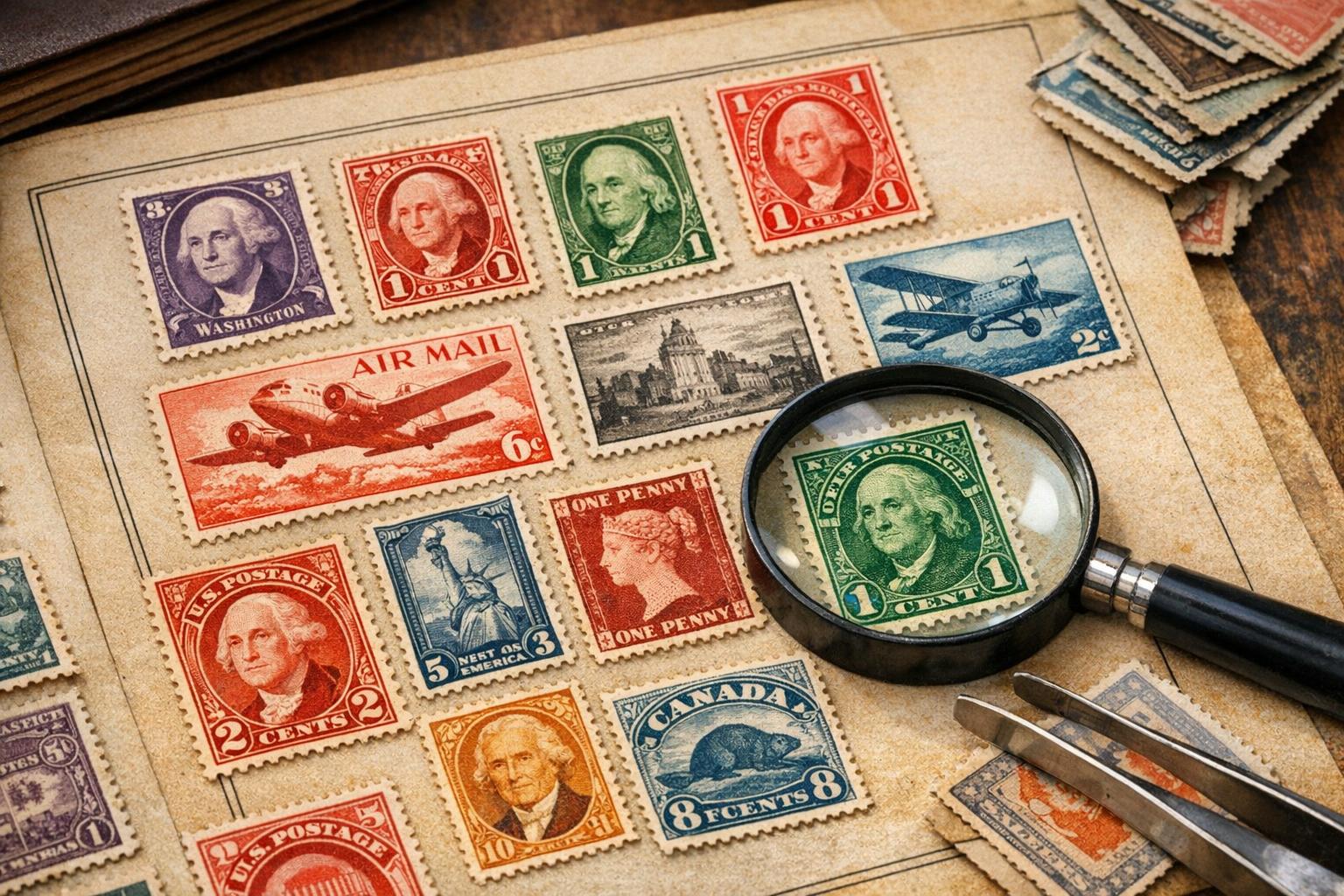
You can be certain of one thing in stamp collecting: excitement clouds judgment. A bright red error, a faint overprint, or a convenient story about a famous plate can turn an ordinary stamp into a potential jackpot in someone’s mind. What follows are the usual culprits — specific stamps and situations that most often lead to common stamps being mistaken for rarities — and practical checks to use before you let that impulse take over.
## Common Stamps Mistaken For Rare Stamps: Typical Traps
Collectors who search for rarities end up repeating a few predictable mistakes. The first is assuming visual oddities equal scarcity. A color shift from exposure, a trimmed perforation, or a heavy hinge mark can look like a variety or proof at a glance. The second mistake is trusting provenance that’s thin or hearsay. Someone’s great-uncle owned a stamp and told a good story; that story doesn’t change the catalogue value.
Common stamps mistaken for rare stamps often fall into two broad buckets: genuine mass-produced issues with unusual condition, and intentionally altered items. Condition is everything, and condition quirks invite stamp misidentification. If you want to avoid being fooled, you need a checklist: compare to a verified reference image, check paper and gum under magnification, and verify perforation measurements against catalogue specs. Start there, not with a gut feeling.
### How Printing Quirks Create False Rarities
Printing methods used in the 19th and early 20th centuries produced a lot of variability. Intaglio impressions could be deep or light. Lithography plates wore unevenly. Ink batches changed. Those variations are normal, especially for stamps printed in the millions. Trouble comes when a collector spots a slightly different shade and calls it a “rare print.”
Color names in catalogues are shorthand, not absolute. What an auction catalog calls “deep carmine” is a range, not a single Pantone. Sun bleaching, chemical exposure, and storage against acidic paper can shift tones dramatically. That’s why many common stamps mistaken for rare stamps are simply older stamps that lived in poor conditions. A red that looks purplish because of ozone exposure doesn’t equal a scarce printing.
### Perforations, Trimming, And The Appearance Of Variety
Perforation differences can be legitimate variants, but they’re also easy to fake or misread. A stamp’s perforation gauge matters, and cutting a margin, re-gumming, or trimming the edges can create an illusion of a rare imperforate or wide-margin variety. I’ve seen inexpensive stamps with trimmed margins offered as scarce “large margined” pieces. Buyers respond to the label and stop checking measurements.
Measure perforations. Use a reliable gauge and compare both dimensions if the issue is rectangular. Also look for signs of mechanical alteration: knife marks along the edge, inconsistent tooth shapes, or a margin that looks unusually clean compared to the rest of the sheet. Those are clues that the piece has been altered to simulate a rarer format.
## Specific Examples That Regularly Cause Stamp Misidentification
Collectors tend to misidentify a handful of issues more than others. These are not exhaustive, but they represent patterns you’ll see at club meetings and on online marketplaces.
### U.S. Washington Issues With Extra Ink Or Color Variants
The U.S. Washington small-portrait series has countless shades and printings. A heavy ink deposit can look like a different issue; a faint double impression might be dismissed as a freak error. In reality, most are production anomalies from the press. Scanners and phone photos exaggerate these traits, turning common stamps mistaken for rare stamps in listings all the time.
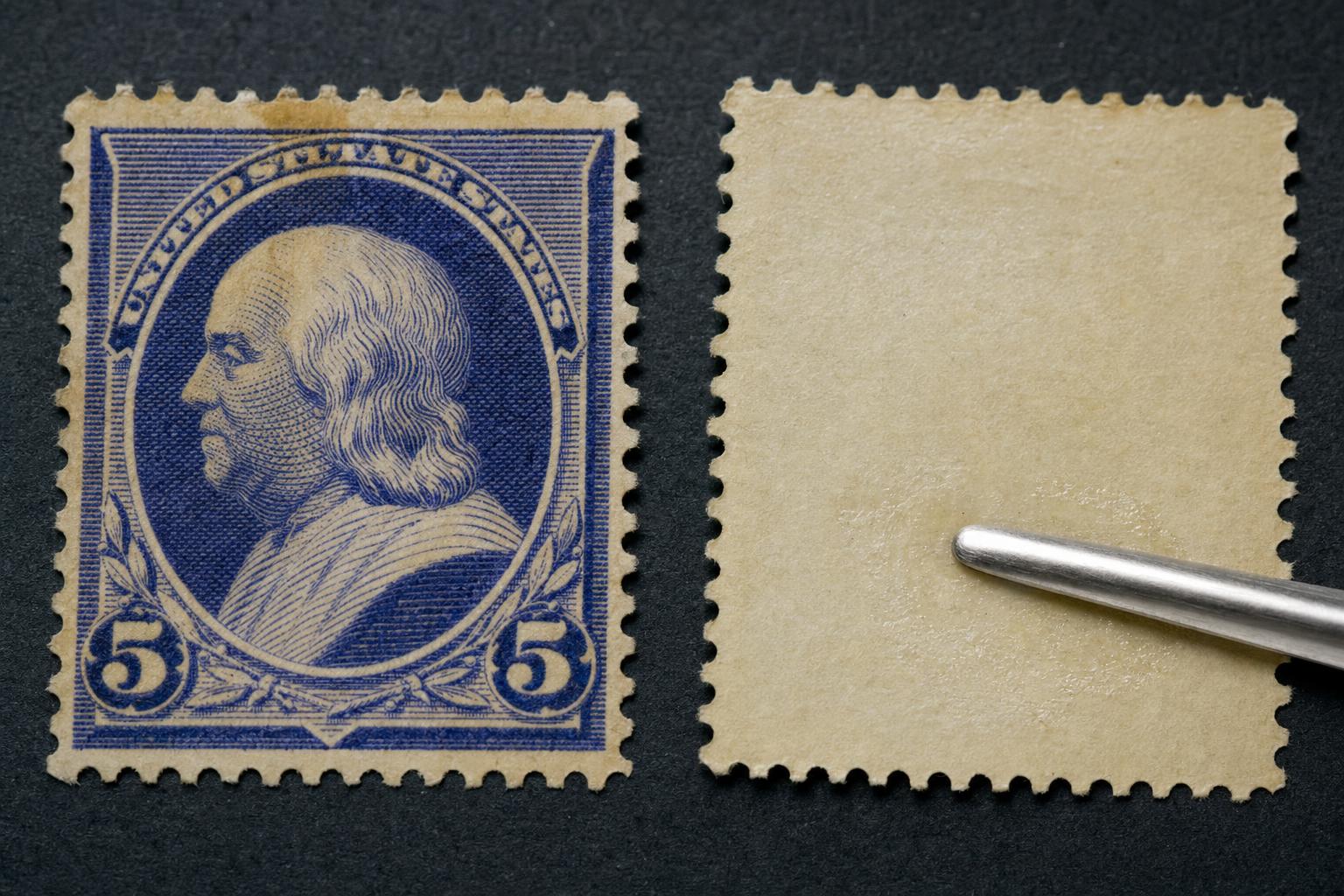
If you’re checking a Washington issue, compare it under natural light to a verified specimen. Look at watermark placement and check the back for signs of regumming. A lot of rare stamp confusion here is caused by altered gum and regumming to hide tears.
### British Colonial Overprints And Forged Rarities
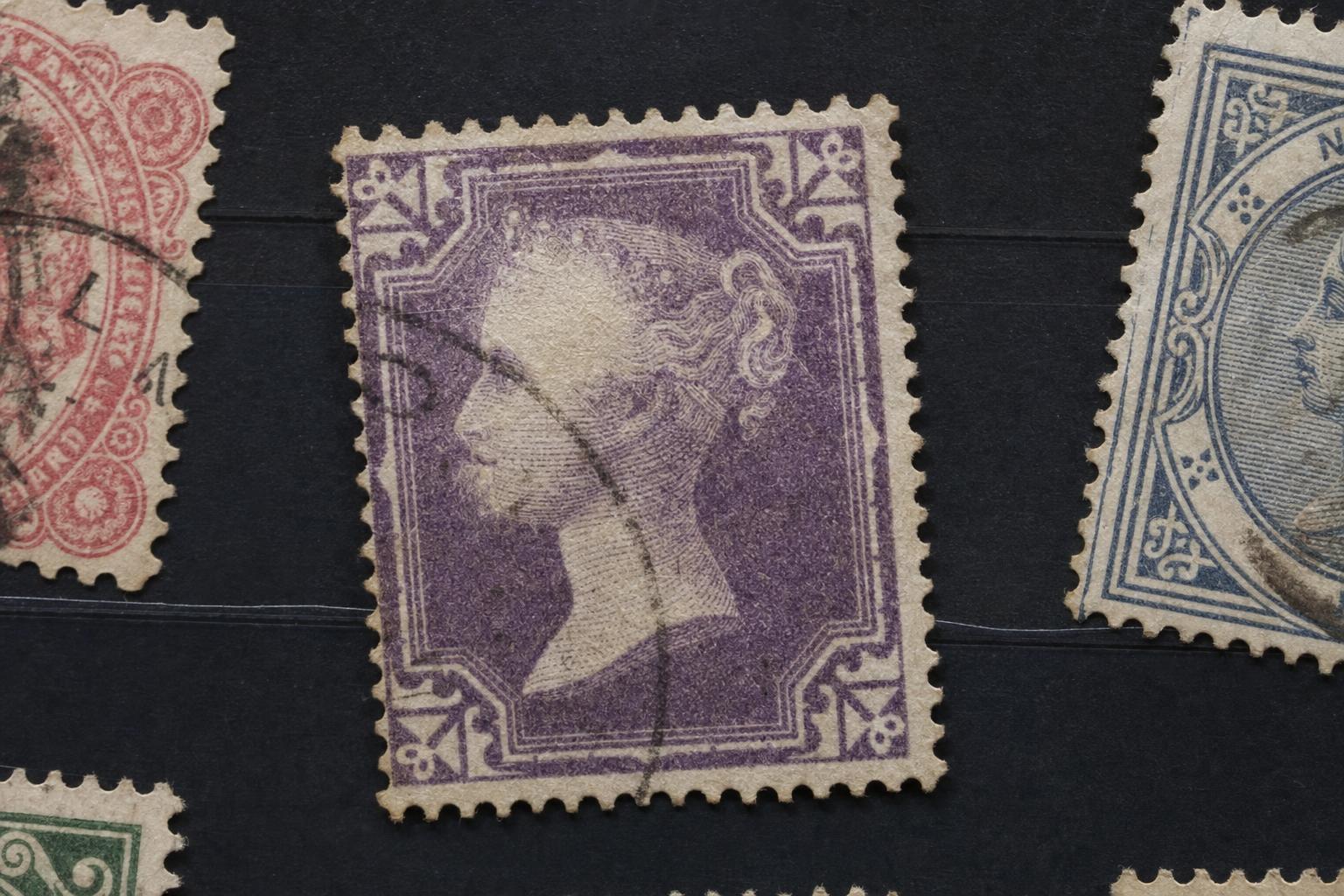
Overprints were often applied locally. Some colonies used crude methods, causing imperfect alignment or inconsistent ink. These genuine quirks are collectible. But they’re also an easy spot for forgery: someone can apply an overprint to a common un-overprinted stamp and claim a scarce colony variety.
Check for ink seep-through, the pressure of the overprint, and the consistency with known examples. Overprint inks have specific chemical and visual characteristics that can be compared. Many episodes of rare stamp confusion start with an attractive story and a hastily applied overprint.
### Misplaced Watermarks And Paper Varieties
Watermarks can be decisive in identifying a rare variety. However, watermarks can also be faked or misread. Manufacturers sometimes used multiple watermark stocks, and stamps soaked in certain solutions can show ghost images that look like watermarks. Buyers who don’t check properly end up with everyday stamps that only appear to be different.
Use watermark fluid or a proper watermark tray. If you’re relying on transmitted light, make sure the angle and background are consistent. A misaligned watermark can be misread as a broken or inverted watermark, and that’s a common source of stamp misidentification.
### Famous “Errors” That Are Reproductions Or Fakes
Some errors make headlines and then disappear into reproductions. The most famous mistakes attract copies and outright fakes. After an error becomes known, expect to see copies produced, sometimes on period-correct paper, and sometimes with artificially aged gum.
When a claimed error seems too perfect, be suspicious. Ask for provenance beyond a single sentence. Look for expert certificates or cross-reference with auction records. Even then, be ready to consult a specialist because error forgery is a real business.
## Tools And Methods To Avoid Rare Stamp Confusion
Too many collectors rely on gut feeling. That’s fine for casual enjoyment, but it’s risky for buying or selling. A few practical tools reduce stamp misidentification dramatically.
### Use Simple Instruments First
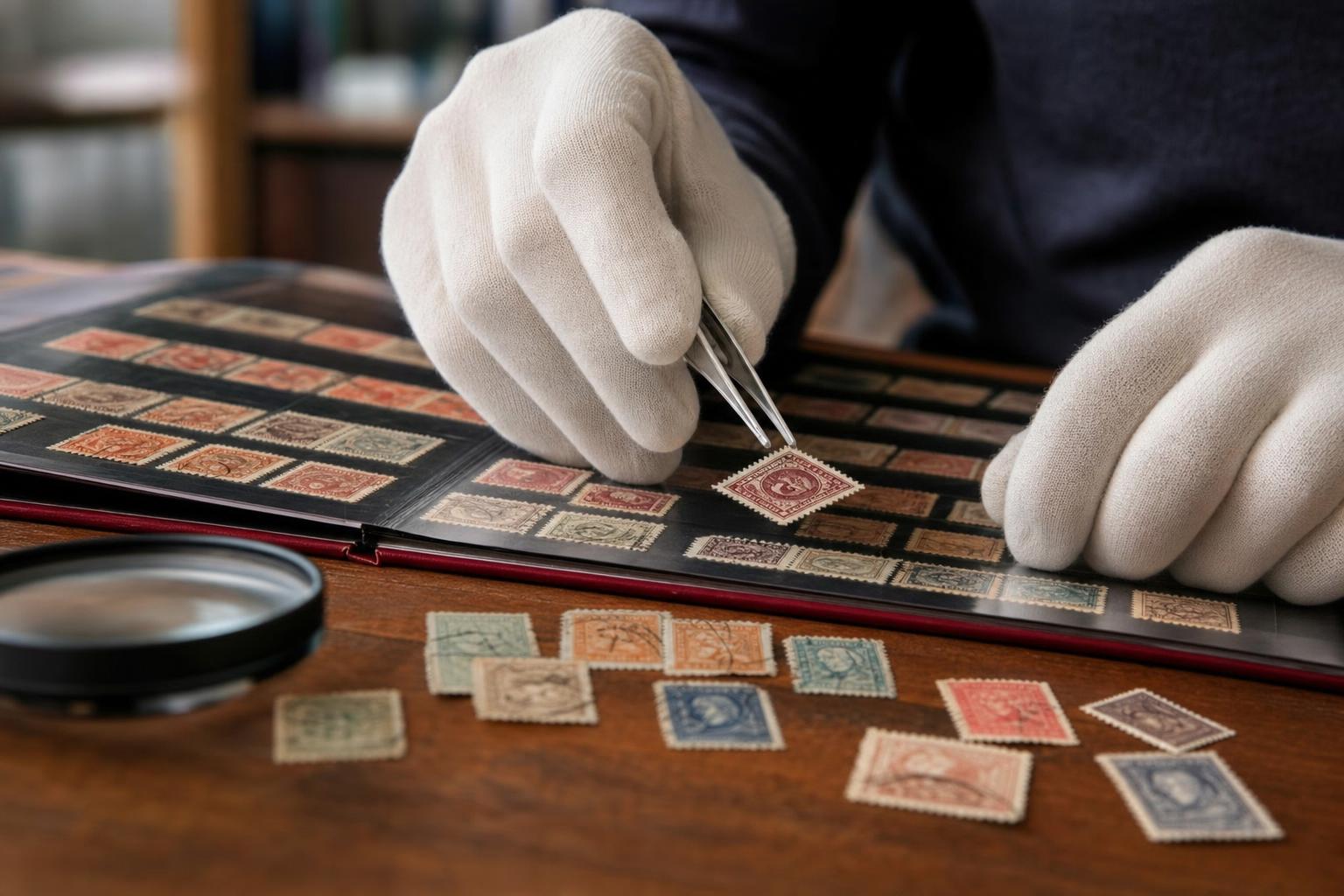
A magnifier (10x loupe), a perforation gauge, and watermark fluid are cheap and effective. Check perforations in good light, inspect the gum without rubbing it, and compare the stamp to a good catalogue image. Those basic steps catch most false rarities.
Keep a reference set of authenticated images, preferably photographed under the same lighting you use. When you see something that looks odd, place the suspect next to the reference and compare edges, ink spread, and paper texture. That side-by-side approach makes many illusions obvious.
#### Seek Expert Opinions Sensibly
Expertizing services exist because collectors need a last word. But certificates cost money and take time. Use them wisely. If you suspect a true rarity or encounter high-value listings, get an expert opinion before you trade. Don’t rely on the seller’s statement alone.
Try to pick a specialist who knows the region or issue, not a generalist. Regional expertise matters because local printing practices and post-office routines affect what’s normal and what’s not.
#### Watch The Market And Know Typical Prices
One of the simplest defenses against falling for common stamps mistaken for rare stamps is price skepticism. If a seller lists something at a fraction of catalogue price with an extraordinary provenance story, step back. Many scams rely on buyers not knowing market rates. Research recent auction results, not just catalogue valuations.
Similarly, be careful on online marketplaces. High-resolution images can be manipulated. Ask for additional photos: back, perforation details, and a scale for size. Sellers who refuse are giving you a reason to walk away.
### Learn The Difference Between Scarcity And Desirability
A stamp can be scarce but not desirable, or desirable but not scarce. Condition and collector demand shape value far more than mere rarity. A common misstep is assuming a minor printing flaw automatically makes a stamp valuable. Often it doesn’t.
Look at the demand curve for the issue. Are there deep-pocket collectors chasing it? Has it been featured in important collections? Value comes from both freedom from supply and active demand. That’s where much rare stamp confusion begins — people spot supply-side quirks but ignore demand.
## Real World Stories That Teach Faster Than Rules
I remember a lot of examples from club nights and markets. One was a middle-period Commonwealth stamp with an “inverted” overprint. The owner had paid a small fortune based on a single grainy photo. When we examined it, the overprint was mechanically stamped after the stamp had been trimmed and regummed. The supposed error had been created by a combination of alteration and honest misread. The buyer recovered his money eventually, but only after a lot of effort.
Another case involved a U.S. small definitive with a deep shade. A dealer listed it as a scarce shade, but a quick comparison to a certified sheet showed it was simply an ink batch that had over-inked. The stamp’s value was modest. Still, the story the seller invented — a misprint tied to a famous press run — was persuasive to less experienced buyers. That’s standard stamp misidentification: a plausible narrative plus visual oddity equals belief.
Across these stories the lesson is the same: slow down, check measures, and corroborate claims. If you feel like you’re being rushed, walk away. A true rarity will wait for proper verification.
## How Clubs And Dealers Reduce Stamp Misidentification
Clubs, local dealers, and auction houses have a role in preventing rare stamp confusion. Clubs can run short seminars on practical authentication. Dealers should be transparent about condition issues and provide clear photos. Auction houses should require provenance for high-value error lots.
If you’re unsure, bring your piece to a meeting. Experienced members often spot telltale signs quickly. That social check is one reason the hobby still thrives in person. Online, you can still ask for scan comparisons and expert opinions, but it takes more patience and care — and occasionally a willingness to pay for a certificate.
Keep in mind that everyone makes mistakes. Even seasoned collectors have been fooled by things later proven altered or misread. The difference is how you respond: learn to identify the common traps and you’ll less often be burned by common stamps mistaken for rare stamps.
Now look closely at your next bargain. Measure it, check the gum, and ask three pointed questions about provenance before opening your wallet. If something feels too good, it probably is — and that’s how rare stamp confusion starts.
Leave a Reply