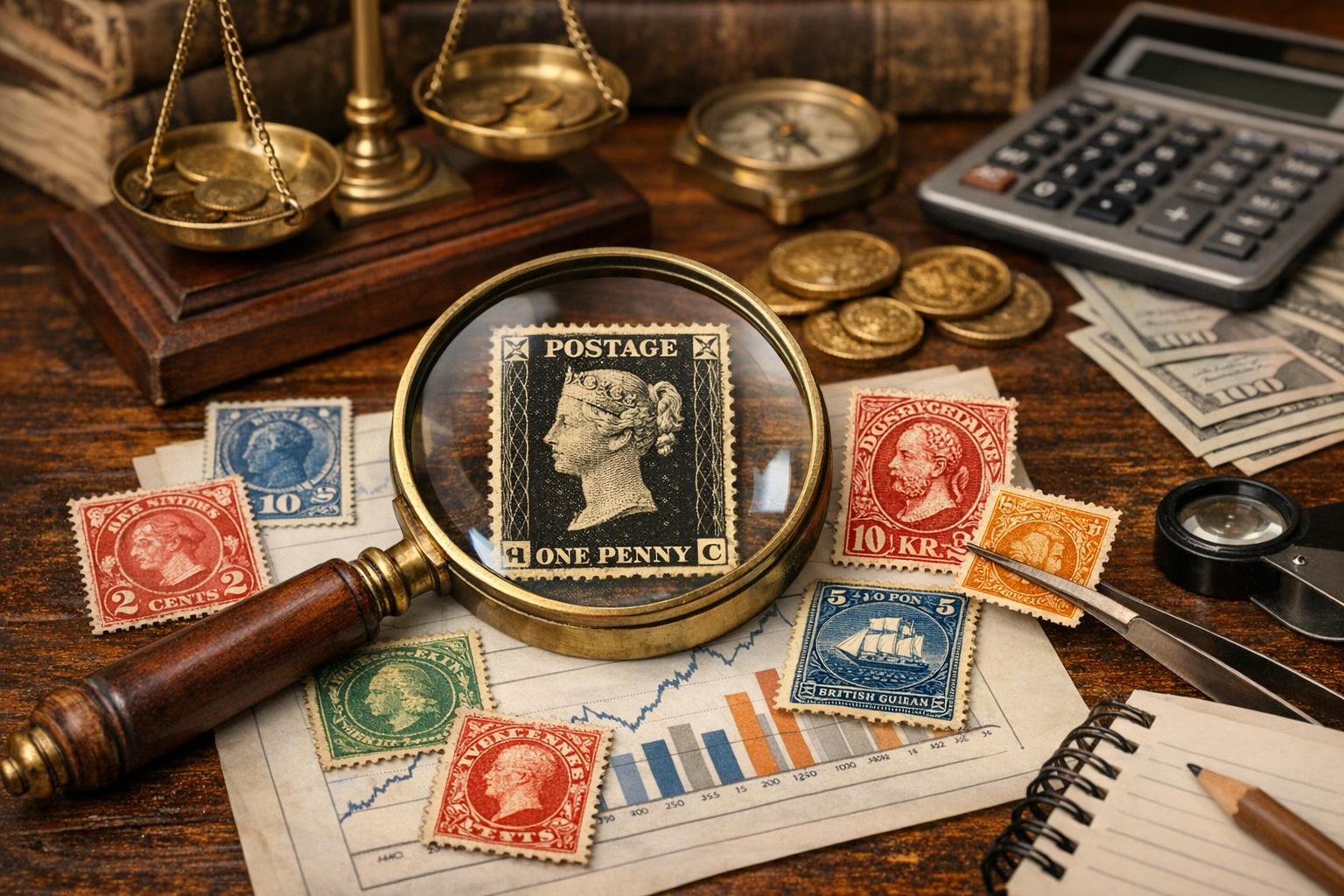
Rare stamps aren’t mysteries you solve with a quick glance. They’re objects with histories, accidents, market moods, and tiny physical quirks that change what collectors will pay. If you want to understand why two stamps that look almost the same sell for wildly different sums, you need to look past the picture and into the intersection of several concrete forces.
## Factors Influencing Stamp Pricing: Key Considerations
When dealers talk about factors influencing stamp pricing, they’re listing everything that could tip a buyer toward or away from a piece. Some items are obvious: a stamp’s age, its condition, whether it’s rare. Other things are quieter but often decisive: who owned it before, whether a catalogue lists a particular variant, or whether a famous auction house has recently set a new high for similar pieces.
### Rarity Versus Supply
Rarity is the starting point. But “rare” isn’t a single variable. A stamp might be rare because few were printed, because most copies were destroyed, or because only a handful exist in a particular condition. A stamp printed in large numbers but surviving mostly in poor condition becomes effectively rare in fine grade.
#### Print Run And Survival Rate
Print-run figures matter, but survival rate matters more. A million printed doesn’t mean a million worth the same. If only a few dozen still exist undamaged, collectors treat availability much like scarcity in the antique market.
### Condition: It Really Changes Everything
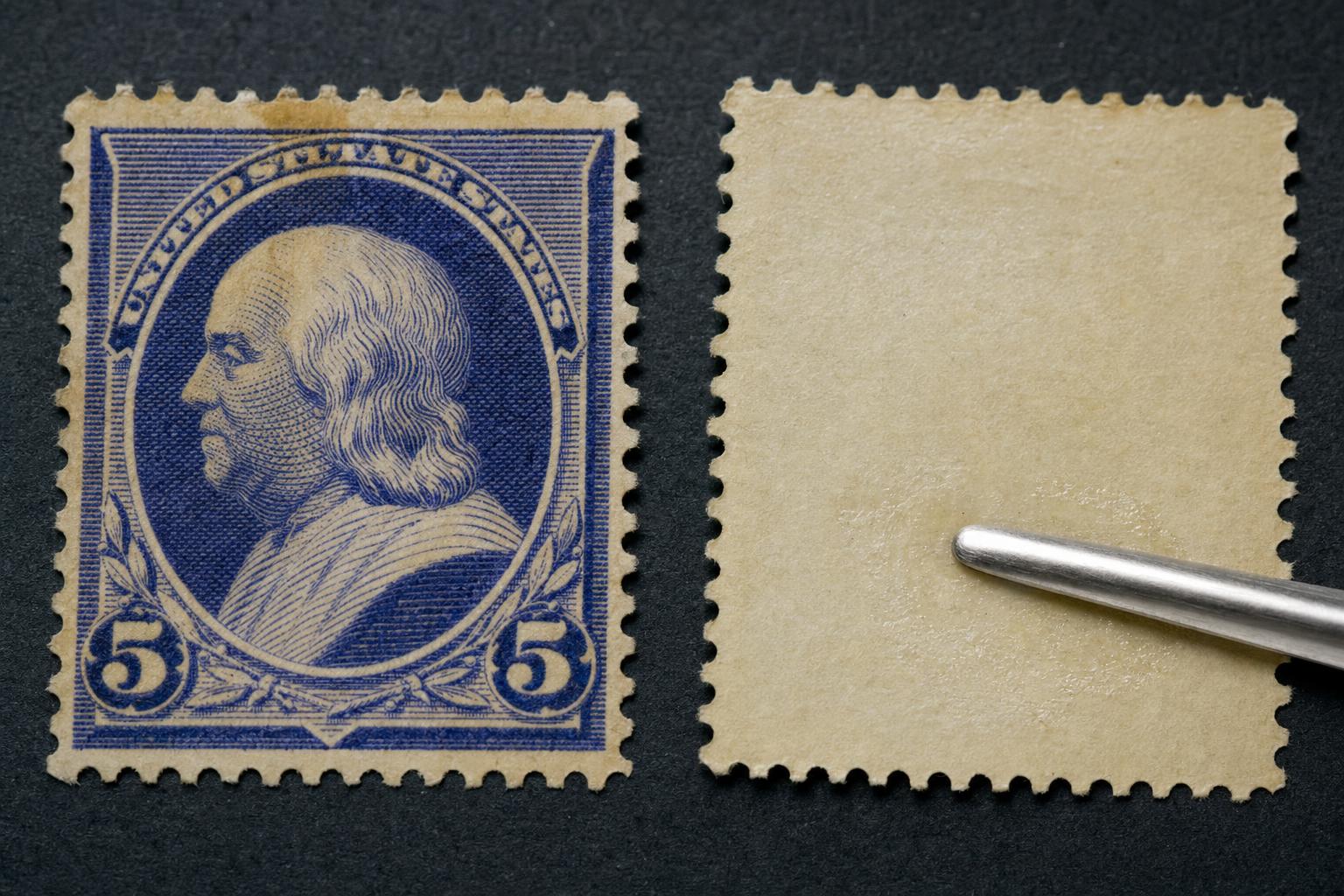
Condition is where subjectivity creeps in. Two stamps from the same sheet can have different margins, centering, color vibrancy, gum presence, and perforations. Those minor differences can multiply price.
#### Centering, Gum, And Faults
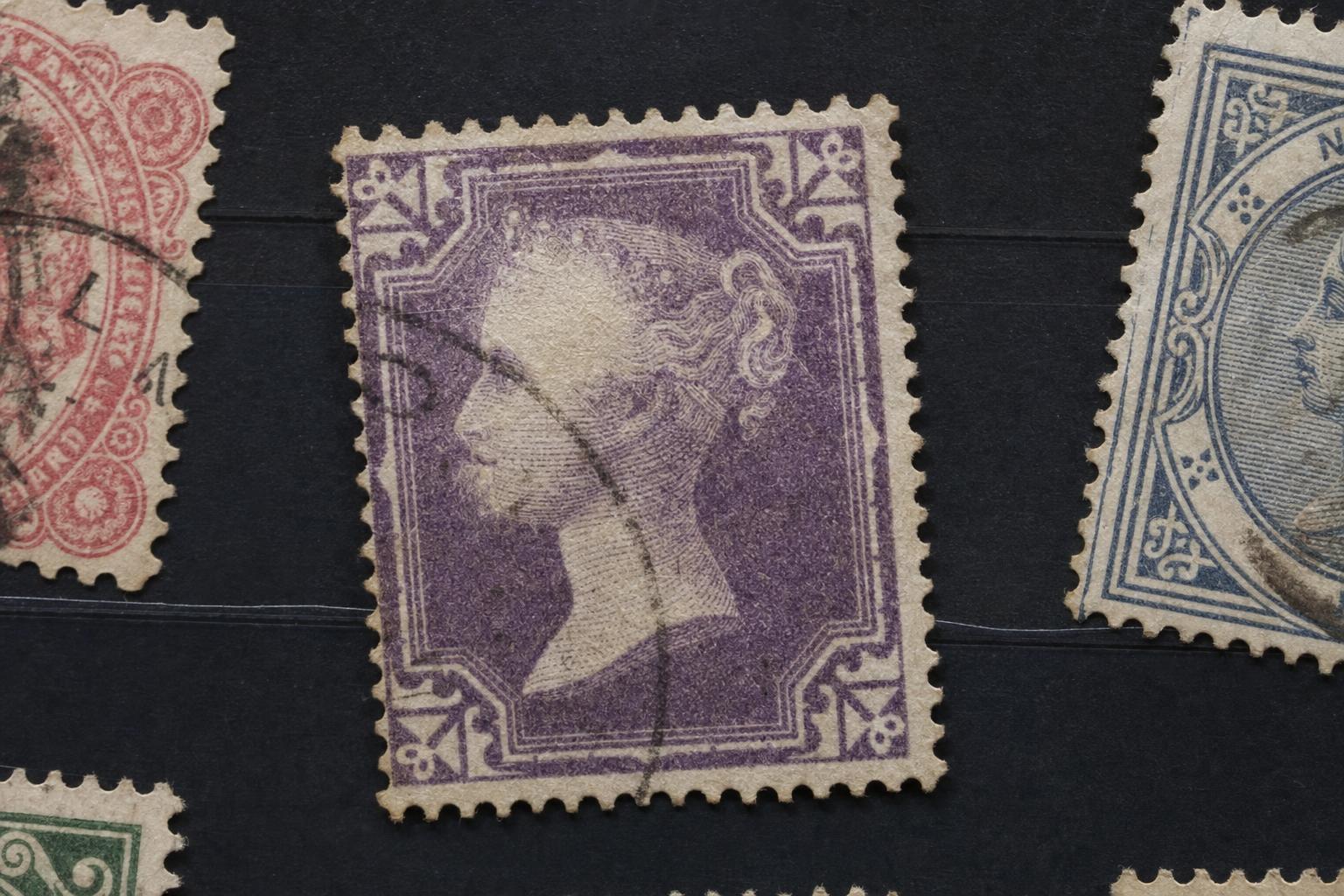
Collectors prize good centering and original gum. Tears, thins, or heavy creasing kill value quickly. A bright, well-centered mint stamp can be ten times what a poorly centered, damaged example brings.
### Provenance And Certification
Where a stamp has been matters. A piece that passed through a renowned collection or appeared in a major catalogued auction carries extra weight. Provenance provides a narrative that reassures buyers about authenticity and pedigree.
#### Expertization And Certificates
Certificates from trusted philatelic experts change buyer behavior. A recognized certificate can be the difference between a tentative offer and a confident auction bid. For high-value items, authentication is non-negotiable. That’s a central piece of modern stamp valuation.
### Catalog Listings And Market References
Catalog values give a baseline, but they’re not prices. Catalogs codify stamp value factors into a digestible number, which dealers then adjust up or down. Auction results matter more in many cases because they reflect what buyers actually paid most recently.
### Demand And Collector Trends
Demand shifts. Sometimes a country’s stamps spike in interest because of a movie, a prominent collector’s activity, or a publicity event. Popularity isn’t permanent. Even within philately, tastes change: topical collectors might push up demand for bird-themed stamps, while classicists pursue early post office issues.
### Errors, Varieties, And Unique Traits
Printing errors and unusual varieties attract fast attention. A color shift, inverted center, or plate flaw carries an immediate premium because error collectors and investors both prize uniqueness. But the premium depends on how many of those errors exist and whether they’ve been well documented.
### Historical Context And Story
A stamp attached to a historically interesting cover—an envelope with wartime markings, a notable sender, or a rare route—adds context that raises value. The item becomes a document, not just a small printed square. Buyers pay for that narrative.
### Market Liquidity And Timing
Liquidity matters. A buyer looking to sell quickly may face discounts, while the same stamp can fetch more in a slow, competitive auction. Economic climate feeds into what collectors are willing to spend. When credit is easy and collectors have disposable income, prices rise. When budgets tighten, lower-grade examples hold relatively better because high-grade specimens sit longer on the market.
## Practical Steps To Assess Stamp Value
If you’re trying to estimate pricing on a particular piece, work methodically. Don’t rely on one source.
### Check Provenance And Expertization
Start with any paperwork that came with the stamp. Certificates, prior auction catalog entries, and collection histories pin down authenticity and often clarify subtle variety issues.
### Compare Recent Auction Results
Look at auction houses that specialize in philately. Compare like-for-like: condition, provenance, and whether the lot included a certificate. Auction results tell you what actual buyers paid yesterday.
### Inspect Physically Or Through High-Quality Images
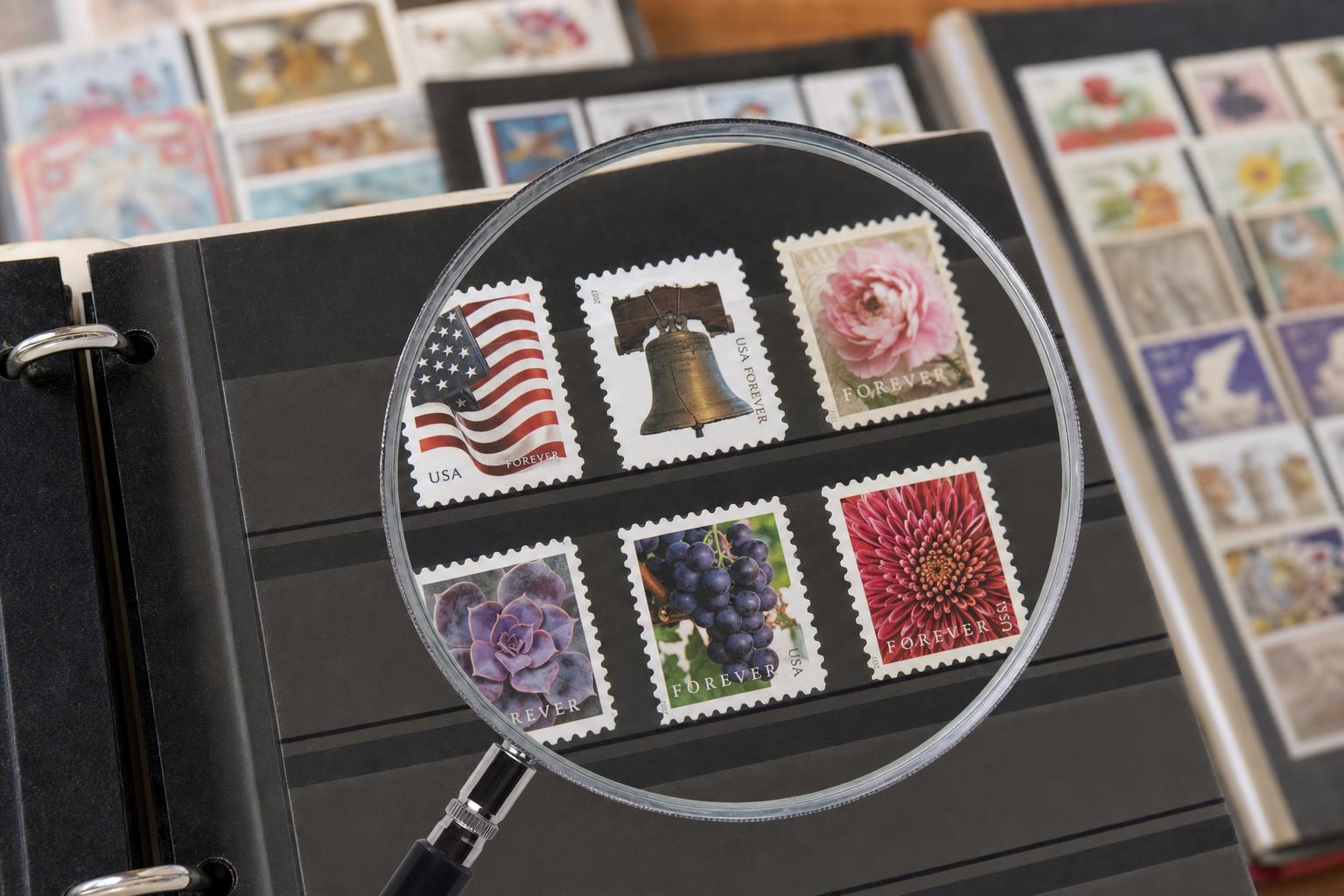
Study centering, perforations, color, and gum. Small things—like a faint crease only visible at an angle—can matter. If you can, view the stamp under magnification or ask for detailed scans. That reduces surprises and helps any subsequent stamp valuation be more accurate.
### Use Catalogues As Reference, Not Gospel
Catalog values are useful for initial estimates. They’re a starting point for discussion, not the final word. Dealers and collectors adjust those numbers up or down based on the real-world stamp value factors that surround each item.
## How Different Buyers Affect Pricing
Not all buyers value the same things. Dealers, investors, and sentimental collectors have different priorities—and that shifts pricing.
### Dealers
Dealers think in turnover and margin. They will price lower than auction highs to ensure quick sale, but higher than what a private seller might accept. They also factor in costs like certification and insurance.
### Investors
Investors look for potential appreciation. They chase rarities with documented scarcity and strong provenance. For them, factors influencing stamp pricing include long-term market trends and liquidity.
### Private Collectors
Private collectors often focus on fill-in items for their collections. They may pay premiums for items that complete a set or have personal meaning. Their purchase behavior can push certain niche values higher than general-market trends would predict.
## Common Misconceptions That Influence Perception
People often overemphasize single aspects when forming a price.
### Rarity Is Not A Guarantee Of Value
Rarity helps but does not guarantee a high price. A rare stamp that no one wants is worth far less than a desirable uncommon one. Demand must exist alongside scarcity.
### Catalog Price Is Not Market Price
Catalog numbers are printed for convenience. Real prices come from transactions. If you base decisions only on catalog values, you’ll misread the market.
### Condition Grading Is Not Uniform
Different experts grade condition slightly differently. One expert’s Very Fine might be another’s Fine. That’s why multiple perspectives and trusted certification carry so much weight in stamp valuation.
## Tools And Resources That Help
There are practical resources to keep close when working on rare stamps.
### Online Auction Archives
Many auction houses keep searchable archives. Use them to find comparable sales. Pay attention to sale conditions and the presence of certificates.
### Specialist Catalogues And Monographs
Some niche areas of philately have their own catalogues—these often list varieties not included in mainstream publications. They can be decisive for identifying high-value plate flaws or localized printings.
### Expert Networks
Join or consult clubs and forums where experienced collectors and dealers share knowledge. A few good opinions can save money and avoid costly mistakes. Sometimes a quick message to a specialist will clarify whether a mark is a thin or merely a handling crease.
### Professional Appraisals
For high-value items, professional stamp valuation services provide documented estimates you can use for insurance or sale. Expect to pay for thoroughness; a rushed appraisal rarely captures all the stamp value factors that matter.
## When To Get A Second Opinion
If a single factor swings value dramatically—like a certificate suggesting an error or a provenance linking the piece to a famous collection—seek confirmation. A second expert can confirm that an apparent rarity is genuine, which protects you from paying too much or underselling a gem.
A final practical note: market psychology plays a hidden role. Buzz, timing, and the presence of a determined bidder can turn a reasonable price into a record. Watch the market, verify facts, and treat each item as a small, complex business proposition. Be ready to act when you’ve done the homework and the piece checks out—opportunity doesn’t wait around. And yes, sometimes a tiny printing quirk, a fluke perforation, or a collector’s sudden interest can flip the script in a single auction lot, leaving even seasoned dealers a little stunned by the final hammer price. Reciept of that lesson comes with experience.
Leave a Reply