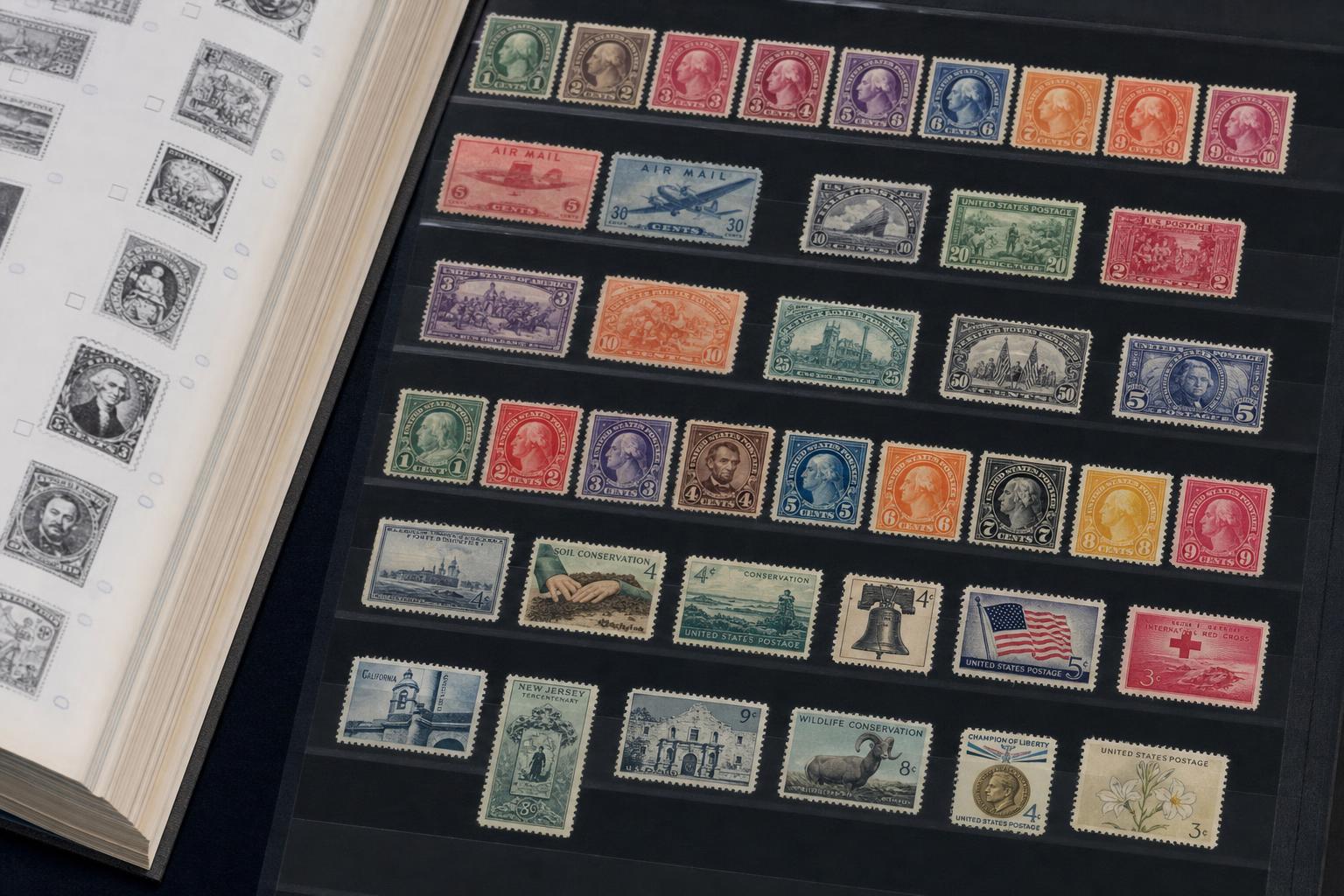
If you want to find, buy, or talk about a stamp without endless confusion, you need to understand the Scott number meaning. It’s the shorthand collectors and dealers use to point to an exact issue: one number, one stamp. That’s all it is on the surface, but there’s more nuance when you actually look through a catalog or scan auction listings.
Scott Number Meaning: What It Actually Is
The Scott number meaning is straightforward: it’s a catalog identifier assigned by Scott Publishing to every stamp they list. Imagine a massive card file where each card gets a number. That number becomes the stamp’s label in most U.S.-focused listings, dealer price lists, and many worldwide collecting circles.
Those numbers don’t describe condition, perforation, watermark, or value. They identify a specific face design and its main issue parameters. If a stamp has major variants — say a different watermark, color, or overprint — Scott usually gives that variant a subnumber or a letter suffix. So the base number points you to a family of related stamps; the suffix narrows it down.
How The Numbering Works In Practice
Scott numbers are mostly numeric. For common U.S. issues you’ll see simple integers: 1, 2, 3, and so on. As printing technologies multiplied and many varieties appeared, Scott extended the system: 123a, 123b, 123c. Later on the scheme added hyphenated or slash-style annotations but the core idea is the same — unique identifiers for unique issues.
When a new stamp variant is discovered, Scott might insert it by adding a letter rather than renumbering the whole catalog. That keeps older references intact. For example, if 254 is a base issue and a discovered color variant turns up later, it becomes 254A or 254a depending on the edition and country.
Where Scott Numbers Fit Into Stamp Catalog Basics
If you’re learning stamp catalog basics, treat Scott numbers like coordinates on a map. You still have to read the rest of the map — perforation measurements, watermark diagrams, and printing notes — but the Scott number gets you to the right neighborhood quickly.
Beginner mistake: assuming a Scott number equals a price. The catalog provides a market assessment, but Scott’s prices are guidelines. Condition, provenance, and demand matter far more than the index number itself. A mint, never-hinged stamp and the same Scott number used on a badly centered, creased example will fetch very different sums.
Using Scott Numbers To Research A Stamp
Start by finding the Scott number in a good edition of the catalog or an official online database. Once you have that number:
- Check the description for printing date, designer, and issue circumstances. That often explains odd overprints or color choices.
- Note the listed varieties. Are there watermark differences? Perforation ranges? Plate flaws?
- Review the photographic plates or illustrations, when available, to match subtle design cues.
- Use the number to search auction archives and dealer inventories. Auctions often include the Scott number in lot descriptions.
Scott Numbers And International Stamps
Even though Scott developed in the U.S., the company assigns numbers to stamps worldwide. That makes Scott numbers especially useful if your collection spans countries. Other catalog systems exist — Michel, Stanley Gibbons, Yvert & Tellier — but many American dealers and retailers still list Scott numbers alongside other identifiers.
There are pitfalls. Some small or very new issues might be in Scott but not yet fully documented. Conversely, local catalogs or specialist references sometimes split a Scott number into multiple entries because they track differences that Scott treats as a single listing. That’s how you end up with debates among collectors about “is this 412 or 412a?”
Regional Variations And Specialist Catalogs
For classic stamps, especially 19th-century issues or colonial overprints, specialists will often prefer detailed references that go beyond the Scott number. Those specialist catalogs expose plate positions, sheet varieties, and the kinds of imperceptible differences that matter to advanced collectors. Still, Scott numbers usually remain a shared shorthand across those conversations.
Common Notation You’ll See With Scott Numbers
The notation side is where people get tangled. You might see:
- Plain number: 45
- Lettered variant: 45A or 45a
- Overprint or surcharge variants: 45-1 or 45/1 (less common)
- Block or booklet stamps: sometimes a modification like 45b for booklet version
Knowing those patterns helps you interpret listings without guessing. If a dealer writes “Scott 45 (type II),” they’re referencing the catalog entry for 45 and specifying which type Scott describes. If they give you a range — “Scott 45–47” — read it literally as several sequential entries.
How Scott Catalog Updates Affect Collectors
Scott releases new lists and updates. That means the Scott number meaning in your old 1980 catalog might differ from a 2026 online entry. New research can split, merge, or add entries. Price changes occur with market trends.
If you’re cataloging a collection, record the Scott edition you used. That reciept of provenance prevents future confusion. It’s also why many serious collectors maintain both the physical catalog set for reference and an eye on the online updates.
Digital Vs. Print Catalogs
Digital Scott references are searchable and updated more often. That’s useful when a new overprint appears or a specialist discovers a watermark variety. Print tomes still have value — they feel stable and are easier on the eyes during long sessions — but expect to cross-check with online entries for the latest changes.
Using Scott Numbers For Buying And Selling
When you list a stamp, put the Scott number in the description. Buyers who understand the number will know where to look for details. Likewise, when you search for stamps to buy, use Scott numbers to filter results. This reduces mistakes like ordering a mint copy and getting a used one because the seller used an imprecise name.
Pricing: dealers often quote a “Scott” price for different grades: mint, used, fine, very fine. Learn the grading terms and compare with auction results. Price guides are starting points, not absolute statements.
Negotiating With Scott Numbers
If you know the Scott number and the typical market condition, you can negotiate more effectively. Saying “I want Scott 210, fine used” puts you and the seller on the same page. Without the number you might have to describe design elements, which is slower and error-prone.
Variants That Confuse New Collectors
Some of the most confusing entries involve small printing differences that Scott groups or separates depending on the era and the country.
Perforations: Many issues are identical except for perforation gauge. Scott often lists both as separate entries: 98 (perf 12) and 98a (perf 10). Check your perforation gauge and match it.
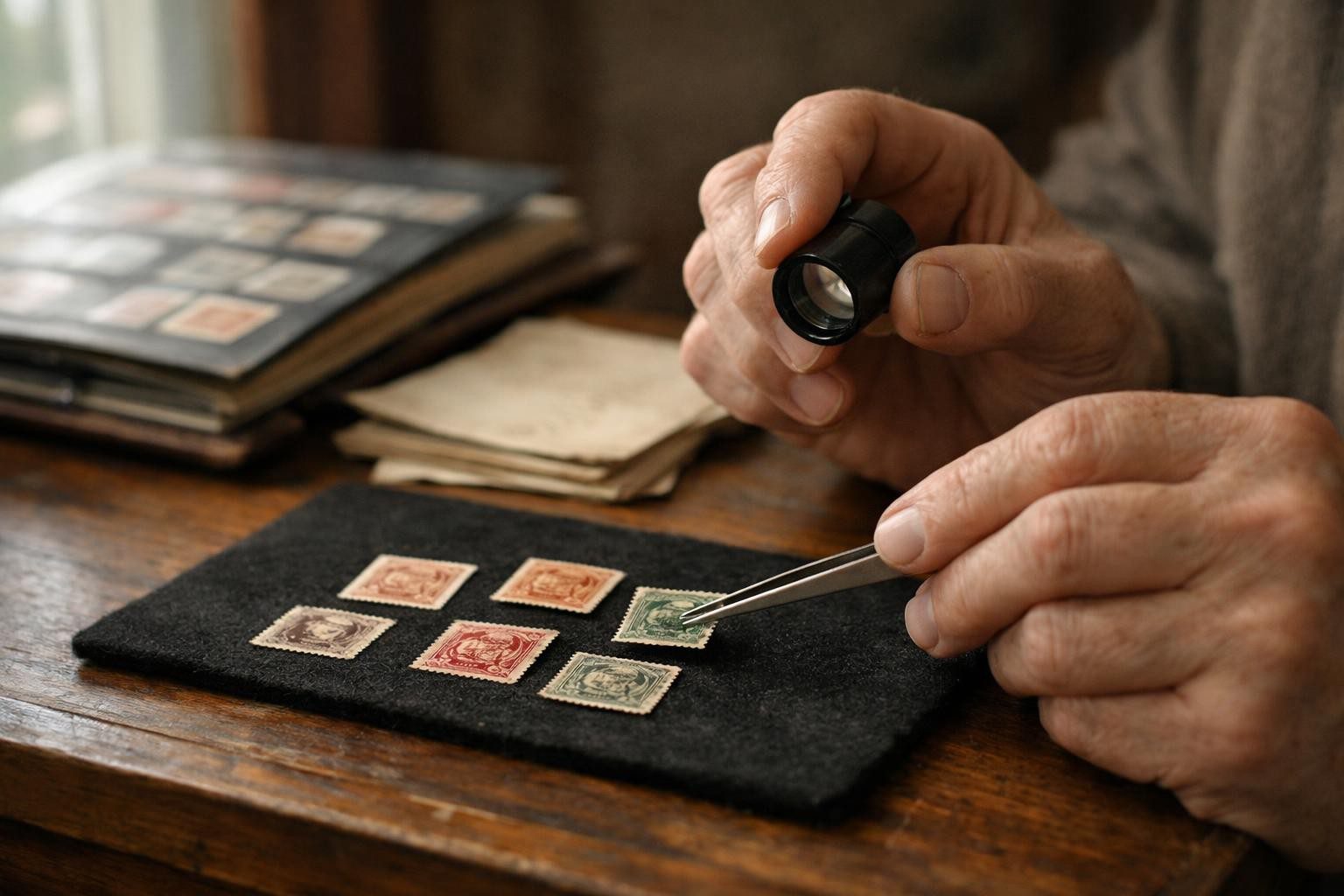
Watermarks: A subtle watermark shift can create multiple Scott listings. Use watermark fluid or a tray to identify them.
Color shades: Shade names can be subjective. Scott may separate obvious differences; otherwise they’re noted in the description. Don’t assume a “slightly different” color is a new Scott number.
Overprints and Surcharges: Especially in transitional periods (war, regime change), overprints create lots of numbered variants. Scott numbers can multiply quickly in these cases.
How To Record Your Collection Using Scott Numbers
If you want a usable inventory, include:
- Scott number (include suffix or variant)
- Condition (mint hinged, mint NH, used, faults)
- Country and issue date
- Any certificates from expertizing bodies
- Provenance notes if relevant
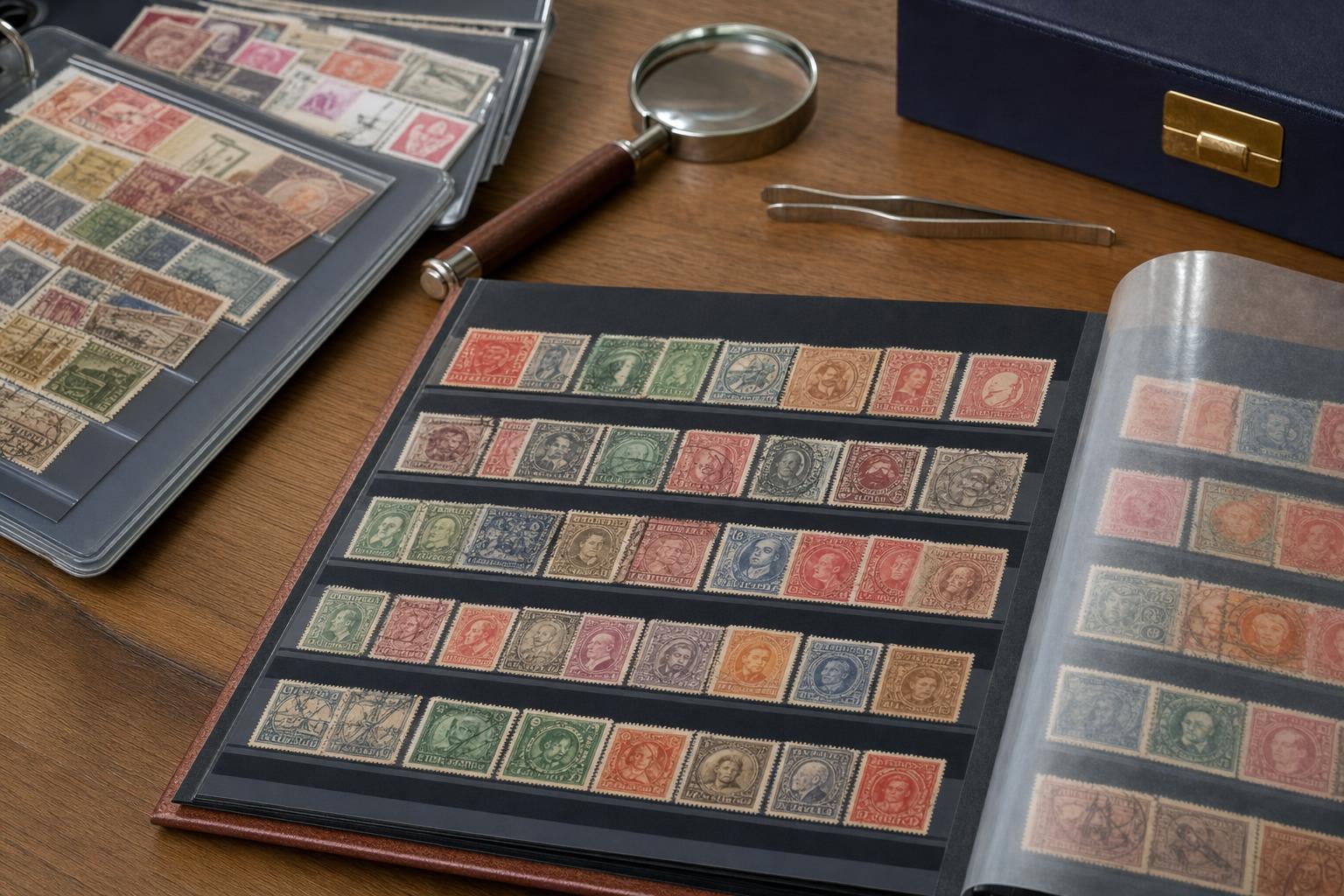
Keep scanned images. The Scott number is the anchor for each entry; the rest gives it context. For large collections, use a cataloging app that lets you export with Scott-number fields so you can sync with online price checks.
Apps And Tools That Recognize Scott Numbers
Several apps and websites let you search by Scott number and compare prices. Use those to check auction history and market trends. Some offer barcode scanning for modern issues where the Scott number is printed or included in dealer tags.
Common Questions About Scott Numbers
Q: Does every stamp have a Scott number? A: No. Very local stamps, some cinderellas, and the newest issues might not be in Scott yet. Also, some minor countries might be underrepresented compared with specialist catalogs.
Q: Are Scott numbers the only way to reference stamps? A: No. Other catalogs — Michel, Gibbons, Yvert & Tellier — use different numbering. Many international dealers will list multiple catalog numbers. But in North America, Scott numbers are the lingua franca.
Q: When should I use a specialist catalog instead? A: When you’re working with classic issues, plate positions, or varieties that Scott treats superficially. Specialists provide the deep detail collectors need for high-grade items.
Practical Examples Walkthrough
Example 1: You find a green 1902 issue and the seller says “Scott 289.” You check the catalog: 289 is a 1902 definitive, perf 11, green. The listing confirms. You then check the Scott notes and find a watermark variant labeled 289A. You inspect the stamp using watermark fluid and find the watermark variant matches 289A, not the base 289. The difference changes value.
Example 2: A dealer lists “Scott 124–125 lot.” That implies they are selling two consecutive entries. You can look them up quickly and decide whether the lot is priced right. If the lot contains perfs or perforation separations that create 124a and 124b, confirm whether the dealer accounted for that.
Mistakes To Avoid When Using Scott Numbers
- Don’t assume a Scott number alone proves authenticity. Condition and expert certification matter.
- Don’t ignore suffixes. 45 vs 45a can be the difference between a common stamp and a rare variant.
- Don’t use an old catalog edition as the sole reference for pricing. Markets change and Scott updates entries.
- Don’t mix catalogs without noting which system you mean. Saying “Gibbons 45” is not the same as “Scott 45.”
When To Get Expert Help
If you’re dealing with high-value stamps or tricky plate varieties, get an expert opinion or certificate. Scott numbers get you to the right entry, but they don’t replace a trained eye. For certain rarities, a certificate from a recognized expertizing service is standard practice.
Learning Beyond The Numbers
Understanding the Scott number meaning is a gateway, not the entire hobby. Once you can find numbers reliably, you’ll start noticing patterns: why some issues are scarce, how print runs and postal history shape value, and why a specific overprint sparked a market.
If you want to deepen your knowledge, focus on these next steps:
- Learn perforation gauges and watermark detection.
- Study printing processes: lithography, typography, intaglio.
- Read auction catalogs that use Scott numbers to see real-world prices.
- Join a local club or online forum — collectors tend to use Scott numbers liberally and will help you interpret odd entries.
There’s a rhythm to it. The more you use Scott numbers, the less mystifying they become. The labels don’t do the work for you, but they make the research manageable. Keep a catalog handy, verify with photos and auctions, and don’t be afraid to ask a dealer what edition of Scott they’re using when they quote prices.

Leave a Reply