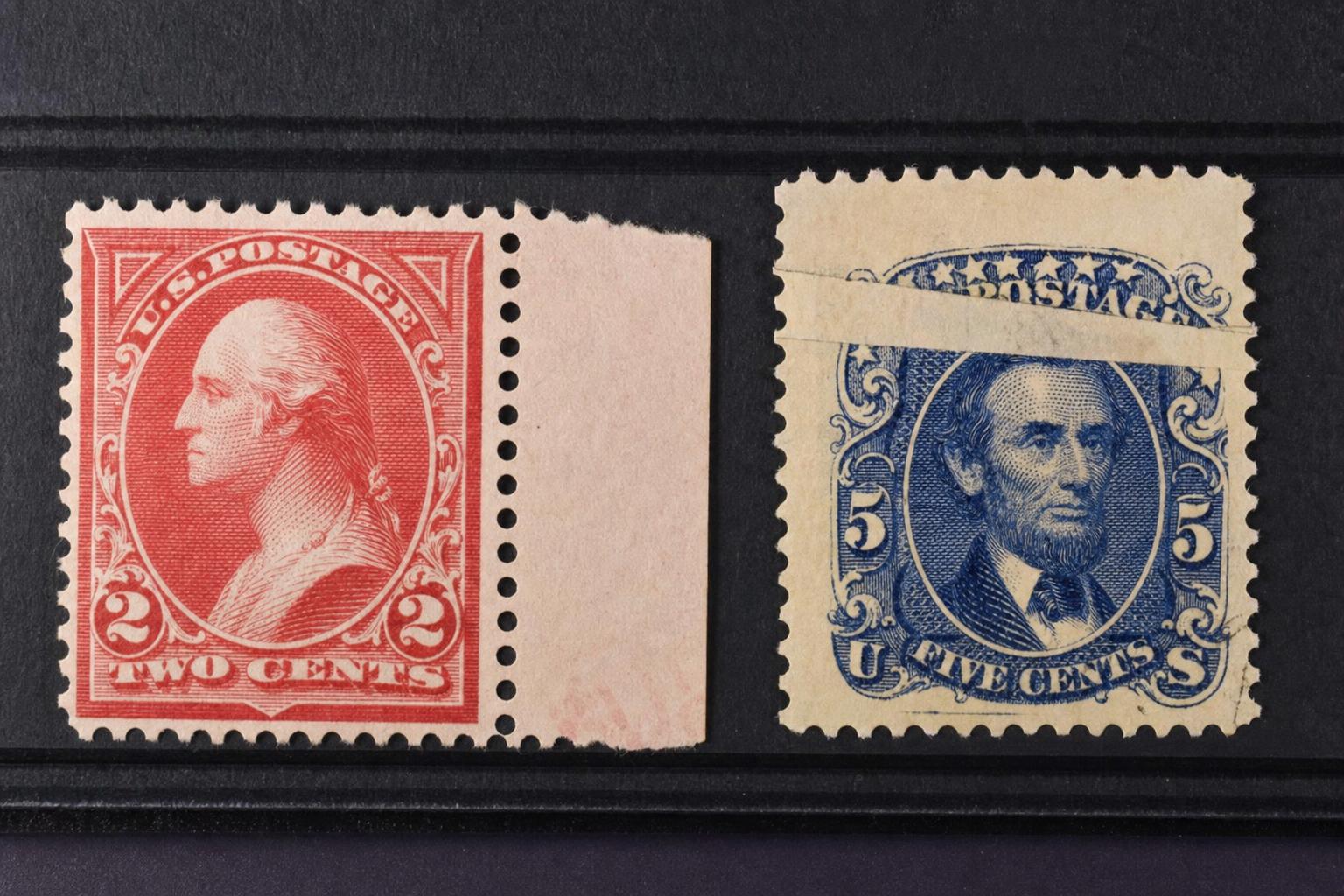
A stamp fault is any physical defect that takes a stamp below sound, undamaged condition. Faults matter because value in philately is a multiplication problem: a scarce stamp with a serious fault can be worth a tenth of a sound copy, sometimes less. This guide covers the faults that matter most, including two that deserve special attention, thin spots and regumming, plus how buyers detect them and what they do to price.
The Major Fault Categories
Creases and bends break paper fibers even when they are hard to see face-on; check with raking light. Tears, even short edge tears, are serious faults. Pulled or short perforations, pinholes, stains, toning, and heavy or smeared cancellations all count against a stamp. Repairs (closed tears, filled thins, rebacked stamps) are faults with an added problem: undisclosed repair shades into deception, and expertizing services note it on certificates.
Thins: The Fault Hiding on the Back
A thin is a spot where some of the paper has been pulled away from the back of the stamp, leaving the paper thinner than the surrounding area. Thins are usually invisible from the front, which is why experienced buyers always examine the back.
Most thins come from careless removal: peeling a hinge off instead of soaking it, pulling a stamp off an album page, or lifting a stuck stamp from a pile. Damp storage that lets gum bond to whatever touches it sets the trap; the thin happens when someone separates them later.
To find a thin, hold the stamp over a light source or lay it face-down in a black watermark tray with a drop of watermark fluid: thins show as bright or dark patches where the paper transmits more light. This is the same technique used for finding watermarks, so one tray covers both jobs. On value: a noticeable thin typically cuts a stamp’s price by half or more, and on premium classic material the discount is often steeper because sound copies are what the market pays up for.
Regumming: The Fault That Pretends to Be a Feature
Regumming is applying new adhesive to a stamp that lost its original gum, so it can pass as mint with original gum and capture the large price premium that original-gum stamps command. It is one of the most common alterations in the hobby.
Detection is a matter of details: gum flowing over the edges of perforation tips or into the perf holes, gum texture that is too even or too glossy for the issue, stiffness that does not match how the paper should feel, and gum that fails to show the natural aging of its claimed era. Under magnification, regummed stamps often show gum on the tips of the perforation teeth, something the original manufacturing process never produced because stamps were gummed before they were perforated.
A regummed stamp is worth roughly what a no-gum copy is worth, and often less, because the alteration itself undermines trust in the stamp. On any issue where the mint premium is significant, a certificate from an expertizing service is what separates the real thing from the pretender, and it is why serious buyers of expensive mint material insist on one.
How Faults Change What Your Stamps Are Worth
Grading and faults work together. A stamp is first graded on centering and eye appeal (from Poor up to Superb), and faults then discount from that grade’s price, or push the stamp into a “seconds” category serious collectors avoid. As rough market shorthand: minor faults (a short perf, light bend) might cost 25 to 50 percent of value; major faults (thins, creases, tears, regumming) commonly cost 50 to 90 percent. On common material a fault simply makes the stamp unsellable, because sound copies are abundant and cheap.
If you are valuing a collection, do not just count catalog numbers: the condition review is where realistic pricing happens, and it is the first thing we do in a professional stamp appraisal. Faults do not make a collection worthless, but knowing about them before you sell keeps the negotiation honest and the expectations realistic.