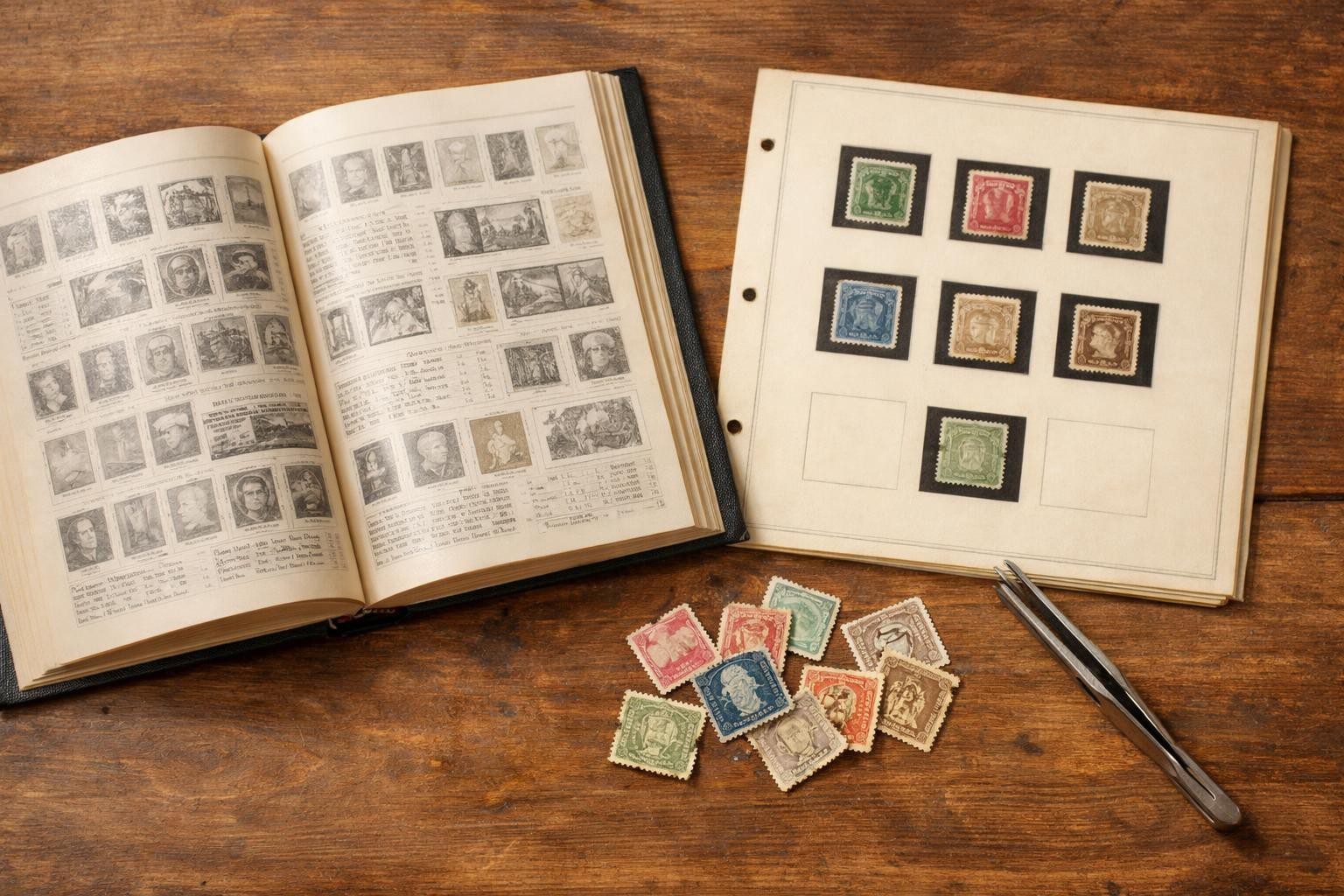
Humidity destroys more stamps than bad luck. Light fades colors in a few years. A tidy plan, steady conditions, and the right materials are what separate a collection that’s still sellable in ten years from one that’s a regret.
## Why Proper Housing Matters
Stamps are paper artifacts with adhesives and inks that react to their environment. They’re thin, they breathe, and those qualities make them vulnerable. A stamp that sits loose on a damp album page will cockle and pick up foxing. A hinged stamp on a sunny windowsill will bleach. You can’t treat them like coins or comic books; each medium has its own failure modes.
### Paper, Gum, And Adhesives
Paper attracts mold. Gum turns brittle. Many modern adhesives contain acids or plasticizers that migrate. That’s why the immediate decision—what to mount them on and what to put them in—matters more than fancy storage boxes or expensive safes. Acid-free, inert supports are not optional if you want longevity.
### Environmental Threats
Keep an eye on three things: humidity, temperature, and light. Relative humidity above 60% encourages mold. Below 30% can make gummed stamps brittle. Temperature swings force moisture in and out of the paper, accelerating deterioration. UV light doesn’t just fade colors; it weakens paper fibers. All three of these are behind the majority of avoidable damage to collections.
## Best Practices For Stamp Storage: Room-By-Room Guide
Where you keep a collection matters as much as how you keep it. An attic is warm in summer, an under-stair cupboard can be damp, and a bedroom might be the safest spot. Think in terms of microclimate.
### Basement Considerations
Basements are tempting because they’re out of sight. Don’t do it unless the area is dry and climate-controlled. Even finished basements can have seasonal condensation. If you must store there, raise boxes off the floor, use rigid shelving, and monitor humidity.
### Attic And Heat
Attics overheat. Paper and gum deteriorate faster with heat. Sunlight comes through eaves and skylights too. Only boxes or albums left in a consistently cool, dark space qualify as safe. For most collectors, attics fail that test.
### Bedroom Or Closet Storage
A closet on an interior wall of your home is often ideal. It avoids exterior temperature extremes and light. Use a small dehumidifier or silica packs if your house tends to be humid. Place albums vertically like books; stacking increases pressure and can deform pages.
#### Ideal Conditions
Aim for 45–55% relative humidity and 60–70°F (15–21°C). That range balances gum flexibility and mold risk. Don’t obsess about perfect numbers; stability matters more than a fixed set point. A stable 50% RH is better than swinging between 30% and 70%.
## Choosing Materials That Won’t Hurt Your Stamps
Cheap plastics and paper with lignin are the silent killers. Labels like “acid-free” or “archival” matter, but they’re not the final word. Look for products with neutral pH and materials known to be inert.
### Albums, Stockbooks, And Mounts
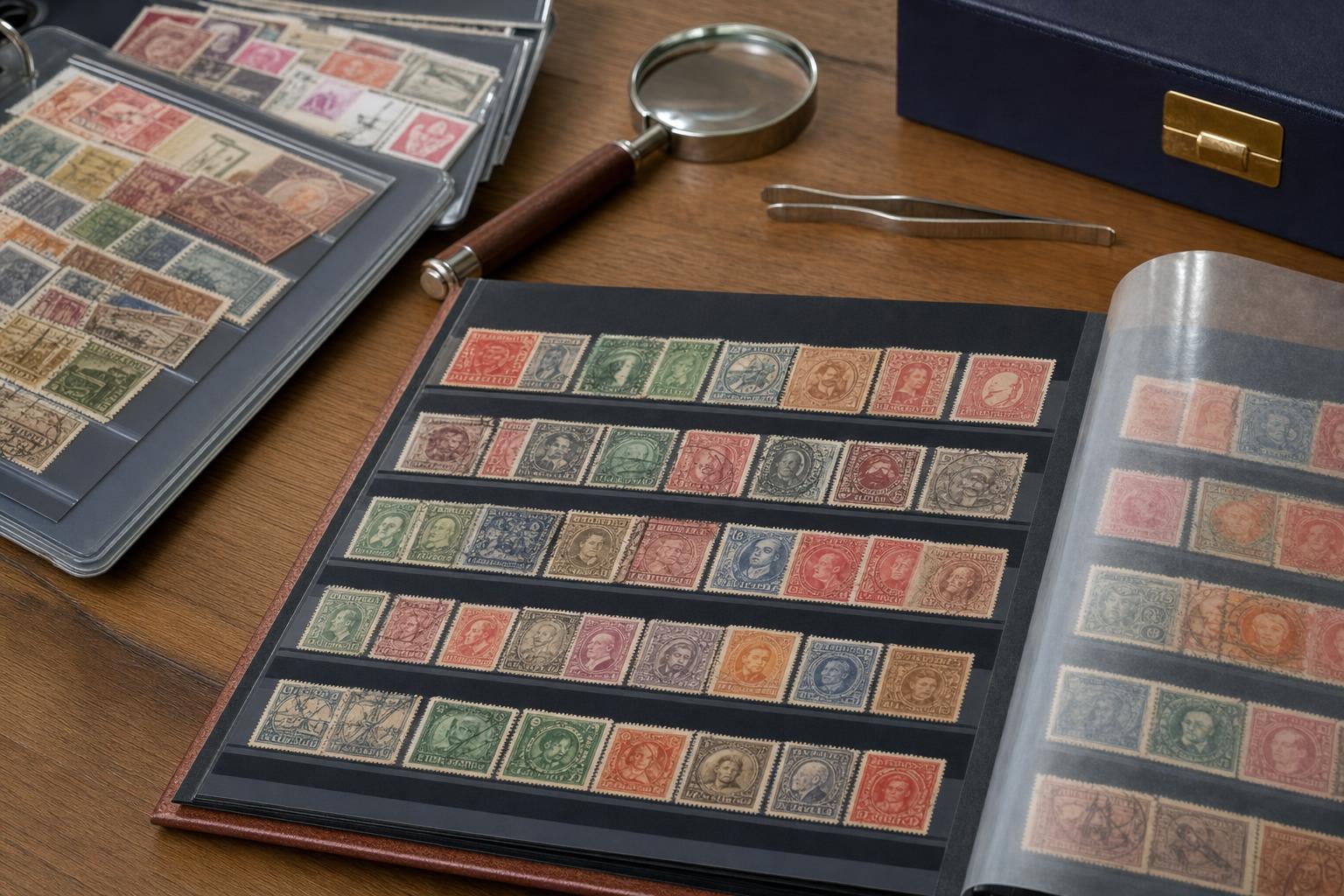
There are three common systems: hinging, mounts, and stockbooks. Hinges are traditional and take less space, but they’re invasive. Modern clear mounts (Mylar or polyester) keep stamps whole and removable without moisture damage. Stockbooks are convenient for sorting and trade, but stamps can stick if humidity is high.
#### Mount Materials Explained
Polyester (Mylar), polyethylene, and polypropylene are the safe plastics. PVC is not. Glassine is acceptable for short-term use but can become acidic over decades. If you want to use envelopes, choose archival glassine or buffered paper envelopes designed for philately.
### Paper And Board Choices
Cards, page supports, and album pages should be buffered or acid-free. Unbuffered materials are better for stamps with moisture-sensitive inks like some modern photochromes. Buffered materials contain an alkaline reserve and protect typical stamps from acid migration. If you collect covers or older postal history, prefer unbuffered supports.
## Handling Practices That Keep Damage Down
How you touch stamps matters. Skin oils transfer, and humidity from breath can raise a gum. Commit to a few simple habits; they reduce accidents more than most expensive products.
### Tools And Setup
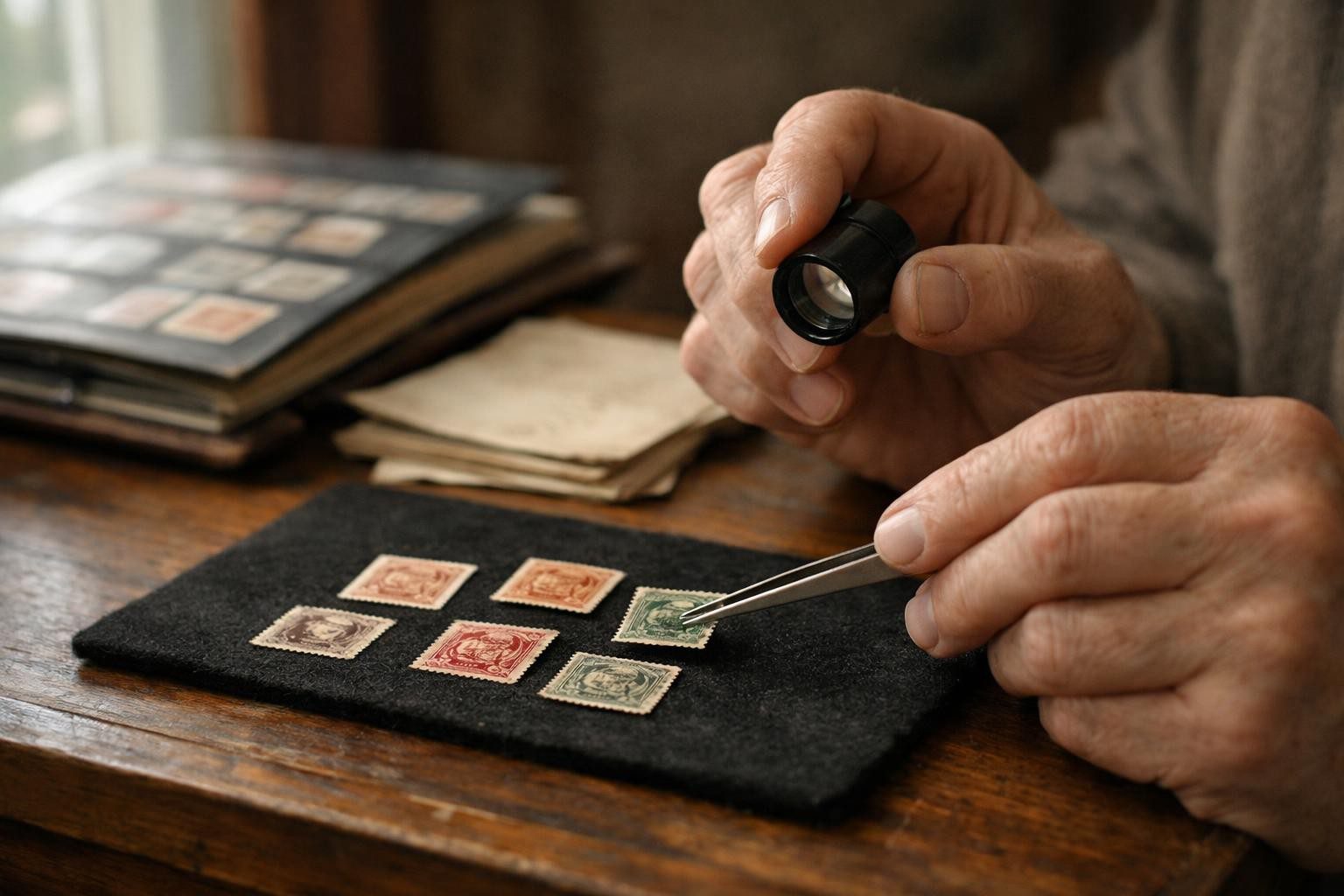
Use stamp tongs—long, flat, sprung tongs with rounded tips. Work over a soft, clean mat so dropped stamps don’t ricochet into oblivion. Keep a loupe, a soft-bristle brush, and blotting paper at hand. Avoid pencils with waxy erasers near stamps; the residue attracts dirt.
### Workflow For New Acquisitions
Always inspect new stamps before they join the album. Place them in temporary inert trays or stock pages for quarantine. Let any residue dry; if stamps were kept in humid conditions, air them in a clean, shaded place for a day or two to reach your room’s equilibrium.
#### Cleaning And Removal Of Surface Dirt
Light surface dirt can be lifted with a soft brush or a gentle blow of air. Do not use household cleaners. For stuck-on grime, consult a conservator or a trusted philatelic dealer. Removing stains often requires wet treatment and can be dangerous if not done correctly.
## Labels, Inventory, And Documentation
A well-documented collection is easier to insure, sell, or pass down. Records also help you spot damage trends tied to storage choices.
### Cataloging Systems That Work
Use a digital inventory with scanned images. Note condition, gum status, and any repairs. When you store stamps in boxes or drawers, number containers and cross-reference to the digital file. A small laminated checklist inside a box helps if someone else has to access it.
### Provenance And Certificates
Keep certificates of authenticity and provenance with the associated item, in a separate sleeve or folder. Don’t tape certificates to album pages. The adhesive residues and tapes are doubly dangerous: they can bleed onto stamps and they’re hard to remove.
## Climate Control Without Breaking The Bank
You don’t need a museum-grade HVAC system. You do need consistent conditions and ways to buffer against spikes.
### Humidity Control Basics
A small digital hygrometer is cheap and tells you everything. If humidity is consistently high, a low-wattage dehumidifier in the room makes a huge difference. For a small closet, silica gel packs can stabilize conditions but require regular reactivation or replacement.
#### Silica Packs And Other Desiccants
Silica gel is reusable if you dry it periodically according to the manufacturer’s instructions. Indicating silica (with a moisture-sensitive dot) lets you know when to recharge. Don’t rely on unsealed desiccants inside open albums; they work best in sealed boxes or drawers.
### Temperature Management
Keep stamps out of places with large temperature swings: garages, attics, or rooms with direct sunlight. If you live somewhere extreme, keep collections in an interior closet that benefits from the house’s thermal mass. Avoid heaters or air vents that blow directly onto albums.
## Protection Against Pests And Mold
Insects and mold are stealthy. They don’t announce themselves until damage is done. Regular checks and simple barriers stop most problems.
### Mold Prevention And Detection
Mold leaves spots and a musty smell. If you find it, isolate the affected items immediately. Clean unaffected items and let them dry thoroughly. Fungicides are not a DIY option for stamps; drying and careful cleaning are the first response. To prevent mold, control humidity and ensure good air circulation—tight boxes with no airflow can trap damp pockets.
### Insect Pests
Silverfish and booklice like paper. Keep food and open containers away from storage areas. Vacuum shelves occasionally and use sealed containers. Pheromone traps can show whether pests are active, but don’t use pesticides near stamp collections.
## Security, Insurance, And Transport
A collection is both sentimental and monetary. Treat security practically.
### Simple Home Security
Store high-value items in a fireproof safe or a locked cabinet. Don’t leave your collection in plain sight. Photograph high-value pieces and store those images offsite or in cloud storage.
### Insuring A Collection
Insure with a rider or a specialized collectible policy. Keep appraisals up to date and store digital copies of receipts and certificates. Insurance companies may ask about storage conditions; be honest. A claim can fail if your storage habits are negligent.
#### Shipping And Transport Guidelines
Use rigid mailers, double-boxing, and waterproof inner packaging for transport. Cushion items so they don’t shift. If you’re sending high-value stamps, get tracked, insured courier service and require a signature.
## Long-Term Preservation: When To Seek Professional Help
Some problems are beyond home remedies. Water damage, severe foxing, or tears often require a conservator.
### When Restoration Is Warranted
Consider professional treatment if a stamp has significant historical or monetary value and the damage affects the integrity. Conservators can deacidify, flatten, and repair with appropriate materials. It’s not cheap, but it’s less destructive than amateur interventions that do more harm.
### Finding A Conservator
Look for paper conservators with experience in philatelic material. Ask for references and examples of previous work. Local museums or libraries often have recommended professionals.
## Common Mistakes Collectors Make
Avoid these recurring errors. They’re simple, and they’re easy to fix.
### Overcrowding And Poor Airflow
Jamming albums tightly together on a shelf looks neat, but it reduces airflow and traps humidity pockets. Leave a little space. If you must stack, alternate vertical and horizontal stacks to reduce pressure on pages.
### Mixing Old And New Materials
An old album page might be acidic even if the newer album is archival. When in doubt, transfer content to archival-quality supports. Don’t trust vintage albums to be safe for long-term storage.
### Excessive Handling
Every touch risks abrasion or oil transfer. Limit hands-on sessions. When you do work, wear clean hands or thin cotton gloves if you prefer. Use tongs for nearly every operation.
## Practical Stamp Storage Tips For Different Budgets
You don’t need to spend a fortune to do the right things. Here are realistic approaches depending on how much you want to invest.
### Low Budget
Use acid-free envelopes or rigid cardboard boxes. Keep albums on interior shelves. Buy a hygrometer and silica packs. Photograph everything. These moves cut most risks.
### Mid Range
Invest in archival albums, Mylar mounts, and a small dehumidifier for the room. Get a lockable cabinet if security matters. Start a digital inventory with scanned images and condition notes.
### High End
Climate-controlled cabinets, museum-grade mounts, professional appraisals, and conservator services when needed. This is for collections that are high-value or intended as heirlooms.
## How To Store Different Types Of Material
Not every philatelic piece behaves the same. Treat loose stamps, covers, and blocks with different approaches.
### Loose Stamps
Loose stamps are vulnerable to bending and sticking. Use mounts in stock pages or small Mylar sleeves. Keep them flat and separated.
### Covers And Larger Items
Covers should be supported on rigid backing boards and placed in polyester sleeves. Flat storage in shallow archival boxes keeps them from folding or creasing.
### Blocks, S/S, And Miniatures
Blocks and souvenir sheets are thicker and can create pressure points if stacked. Use individual mounts and store them vertically or in shallow trays so weight is distributed evenly.
## Routine Checks And Maintenance
Schedule a quick inspection every six months. That’s often enough to catch humidity issues, pests, or the slow creep of foxing. Make notes of anything you find and act on trends rather than single incidents.
### What To Look For
Check for spots, odors, sticky pages, or pages stuck together. Inspect hinges and mounts for brittleness. Verify that desiccants are still active.
Keep one odd rule: if something smells off grab it out and air it. Don’t be shy about isolating a suspicious item from the rest of the collection until you know what you’re dealing with. A little caution prevents larger losses.
A final practical tip—label boxes clearly and record where specific high-value items are kept. It saves time and reduces unnecessary handling. And yes, occasional reorganization is healthy. It’s how you spot problems before they spread. You’ll need to adapt as your collection grows, but these core best practices for stamp storage will keep more of your material intact, attractive, and valuable over time.


Leave a Reply