## Essential Stamps For Beginner Collectors To Save: The Short List
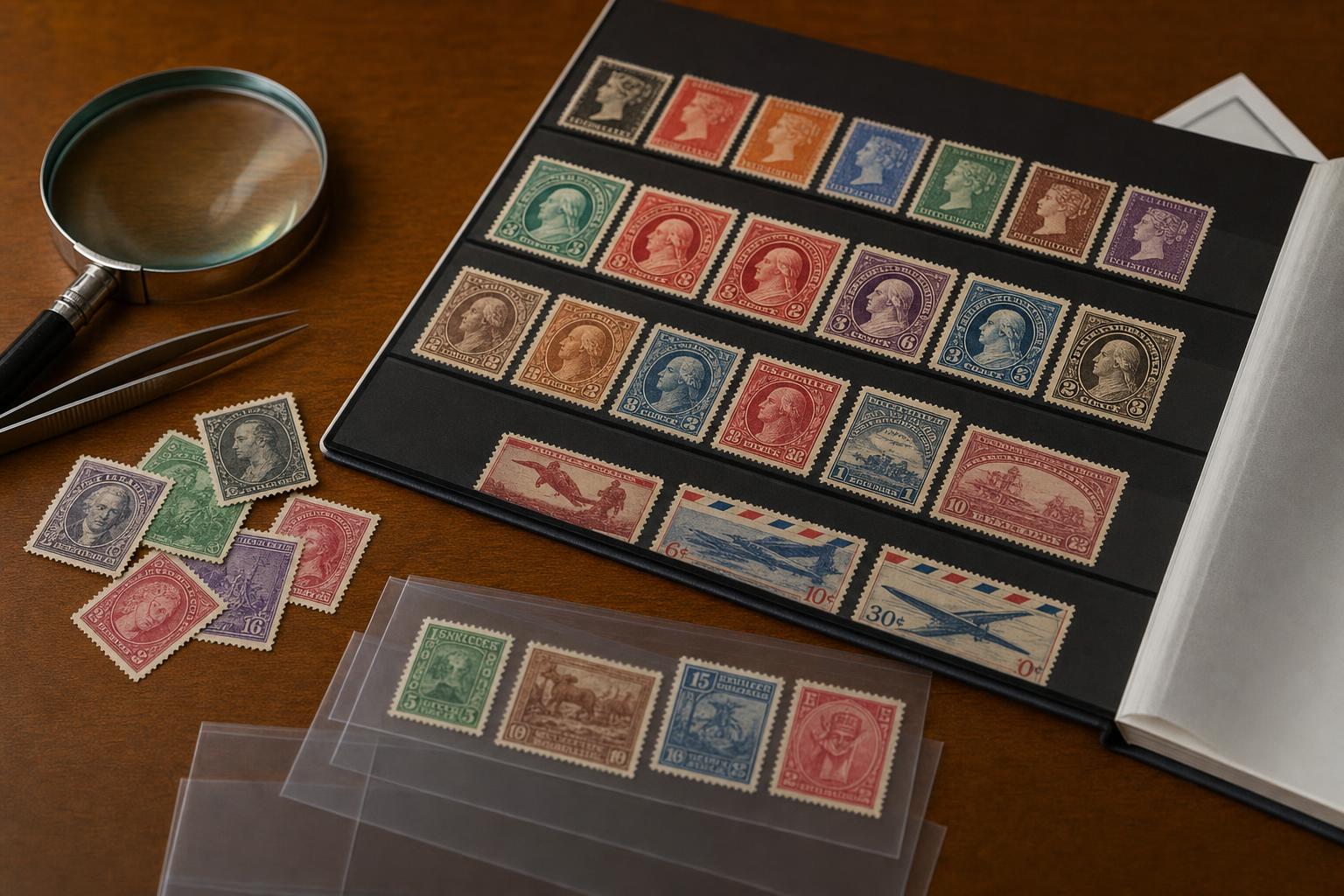
Start small and sensible. If you buy every attractive stamp you see, your collection becomes clutter without direction. The easiest way to get momentum is to pick a handful of dependable, affordable categories and learn them well. These essential stamps for beginner collectors to save give you variety, teach you identification skills, and keep costs reasonable while you learn the ropes.
### What Counts As Essential For A Starter Collection
Not every interesting stamp is essential. Focus on types that show different printing methods, common issuing patterns, and a range of values so you can practice grading and cataloging.
– Common Definitives: Low-denomination, everyday stamps from your country. They’re everywhere and ideal for learning watermarks, perforations, and plate varieties.
– Commemoratives From A Single Decade: Pick a decade and collect the issued commemoratives from that period to learn about topical subjects and issue calendars.
– Airmails And Express Stamps: Different printing processes and often distinct paper or gum. Good practice for recognizing specialized issues.
– Errors And Varieties (Basic Ones): Misperfs, inverted centers, or color shifts are great study material. Start with inexpensive, documented examples rather than chasing unicorns.
These essential stamps for beginner collectors to save cover both technical learning and visual interest. If you want a theme later, you’ll already know how to spot legitimate differences.
### Beginner Stamps You Should Look For First
You don’t need a Penny Black or a rare block to have a strong start. For most people, a practical checklist matters more than historic prestige.
– Modern Definitives: Post-1950 low values are cheap and plentiful. Collect a run of different years and note perforation changes or reprints. These are classic beginner stamps.
– Popular Commemoratives: Choose a common set like national anniversaries or famous figures. They show how postal services mark events and give you a manageable goal.
– Topical Favorites: If you like birds, space, or transportation, grab a dozen different designs across countries. Topical collecting keeps you motivated.
– Blocks And Plate Numbers: Single stamps teach one thing; plate blocks show production context. A plate block of a common issue is affordable and educational.
Call a local show or club and ask what dealers recommend for new collectors. They’ll point you to approachable stock. The phrase essential stamps for beginner collectors to save is exactly what dealers use when advising newcomers; repeat it when you ask for pointers and they’ll know you mean business.
### Practical Tools For Stamps For Beginners
You can start with very little gear, but a few purchases make the hobby much cleaner and safer.
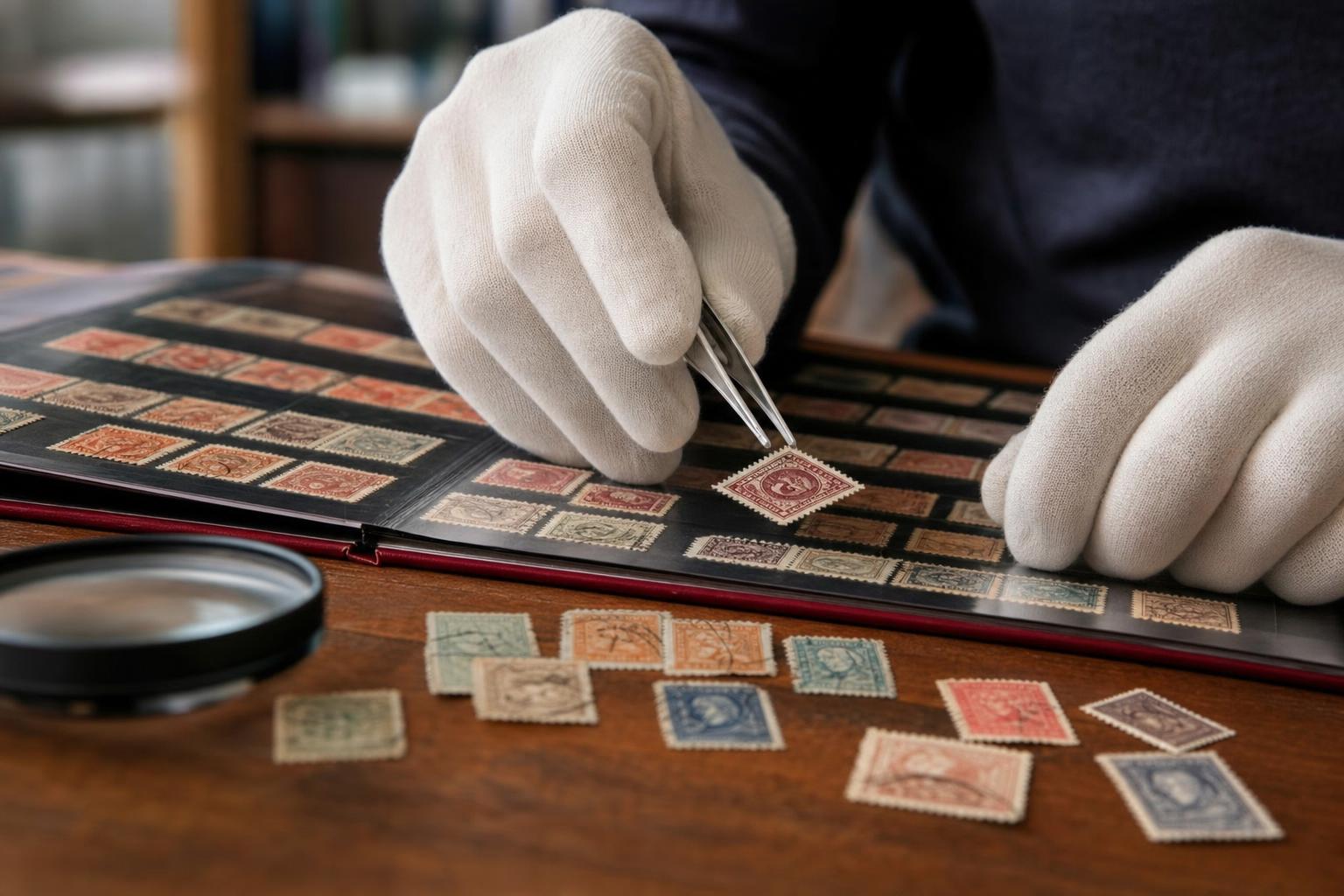
– Tongs (tweezers): Never handle stamps with fingers. A good pair makes a huge difference.
– A Stockbook Or Glassines: Store stamps flat and separated. A stockbook is reusable and neat.
– Magnifier And Perforation Gauge: Small details matter. You’ll use these every week.
– A Catalogue (Online Or Paper): Scott, Stanley Gibbons, Michel — pick the catalog used in your region.
These tools let stamps for beginners stay organized and reduce damage. Don’t buy a fancy album right away. Use cheap stock pages until you know what you actually like to collect.
#### How To Buy Without Getting Ripped Off
Dealers, auctions, online marketplaces — all are useful but carry different risks. Start with local dealers and club auctions where you can examine stamps first. When buying online, look for sellers with solid feedback and clear photos. Avoid lots that promise “possible rarities” without supporting images or provenance.
If a price looks too good to be true, it probably is. But a modest purchase from a trusted dealer teaches you what genuine items look like. Keep the reciept even for small buys so you learn return policies and grading standards.
### How To Organize Your Beginner Stamps
Organization isn’t glamorous but it separates a hobby from hoarding. Decide early: thematic order, chronological, or by country. Stick with one method for your starter collection.
– Label everything. Even a simple pencil note on the glassine helps later.
– Keep mint and used separate. Condition affects value and study focus.
– Make digital records. A simple spreadsheet with date, source, and price saves time and provides buying discipline.
These systems help when you want to trade or sell down the road. You’ll thank yourself when you can find that set of 1940s airmails in five minutes.
### Common Mistakes New Collectors Make
Beginners often rush to chase rare items or strengthen a collection by buying bulk lots without checking contents. That’s fine if you’re chasing fun, but it’s not the best way to learn. Avoid these traps:
– Buying broken or soaked stamps without asking about condition.
– Mixing off-paper and on-paper items without labeling.
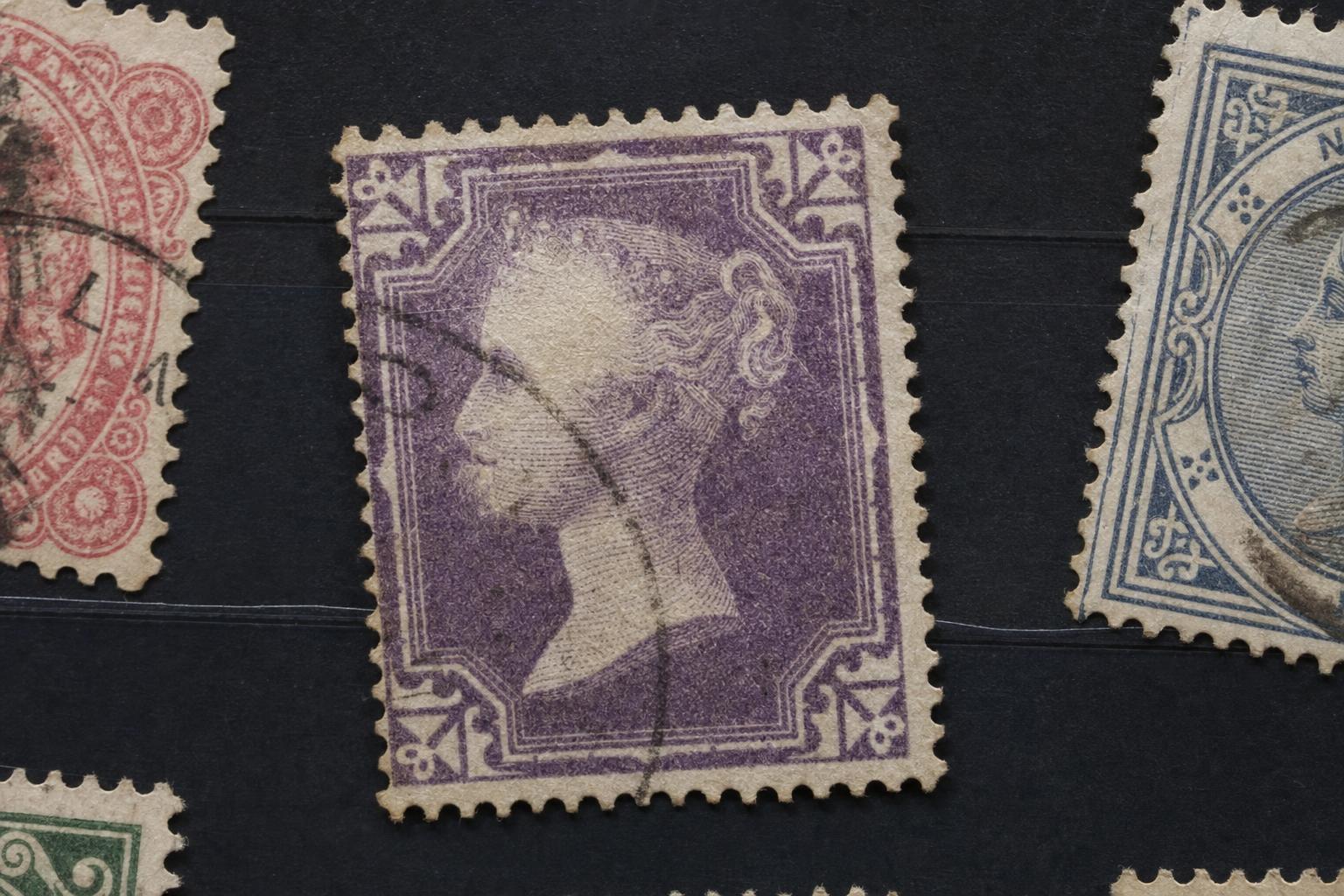
– Thinking every ink smudge or color fade is an “error.”
Learning to recognize what matters will save money and heartache. When in doubt, ask a club member or dealer. Experienced collectors are usually happy to explain why a stamp is ordinary or why it might be worth more.
### Building Value: Where Beginners See The Most Growth
Real value comes from knowledge, not luck. The easiest way to appreciate the monetary and personal value of your stamps is to specialize over time. Several accessible paths produce noticeable improvement:
– Complete Sets: Filling a used or mint set from a common series is satisfying and teaches issue sequencing.
– Thematic Depth: Collect 100 stamps on one subject from many countries. Dealers appreciate depth and you’ll learn global printing habits.
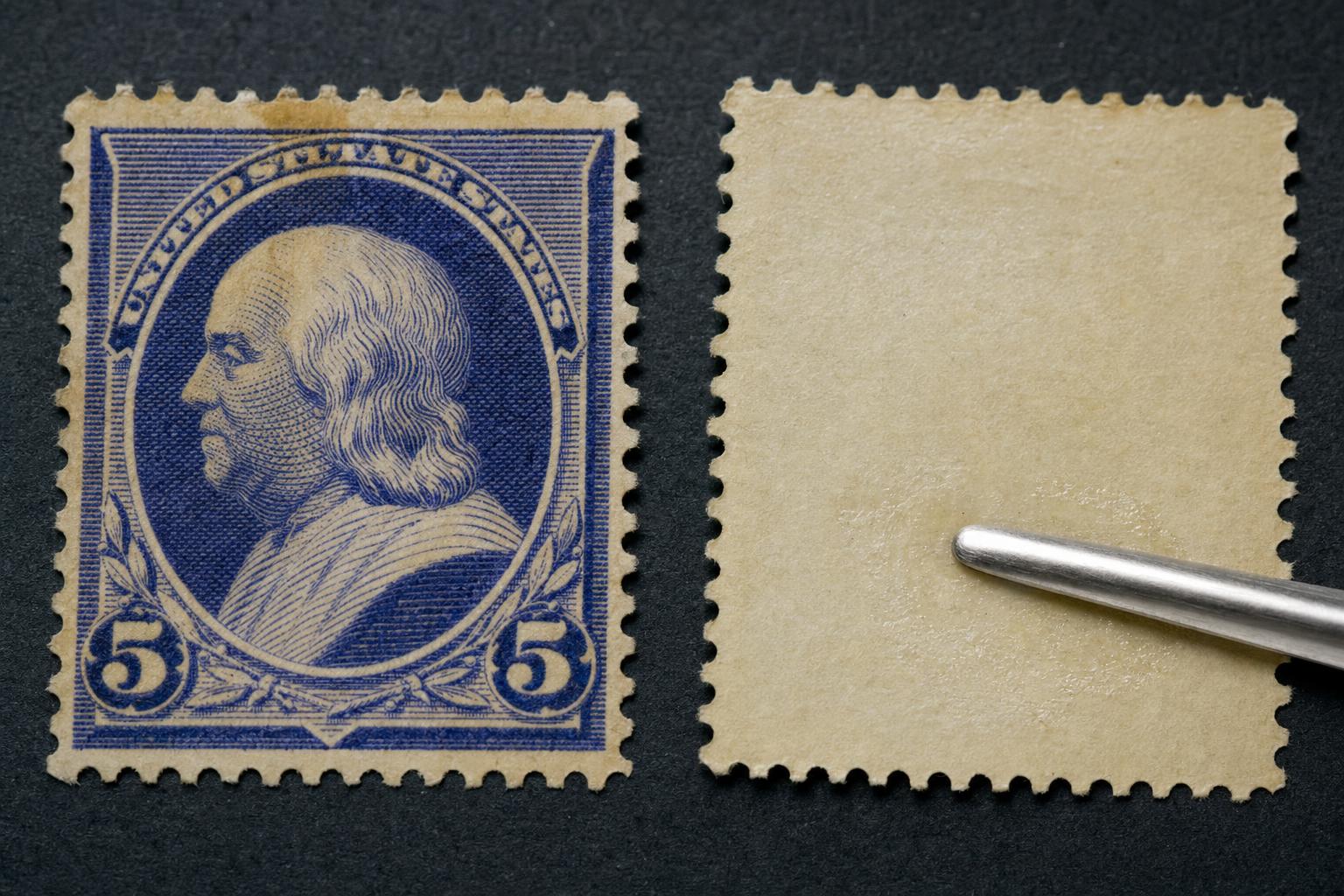
– Condition Focus: Learn to prefer better centering and gum. Two identical stamps can differ wildly in value based on condition.
Focus on collecting with intent. That’s how essential stamps for beginner collectors to save start to become meaningful assets.
### Where To Learn Fast
The fastest way to improve is hands-on with someone more experienced. Join a local club, attend a stamp fair, or follow reputable online forums. Bring a handful of stamps you’re unsure about and ask for feedback. People will point out watermarks, repairs, and genuine varieties.
Books and catalogs teach terms and pricing, but clubs show you how things actually look and feel. That practical exposure accelerates your learning far more than simply reading.
### When To Branch Out From Beginner Stamps
You’ll know you’re ready to expand when you can identify paper types, separate reprints from originals, and assign a reasonable catalog entry to unknown stamps. That’s the point where investing in higher-value items becomes less risky. Until then, keep buying affordable, demonstrative examples that build your skills.
If you’re aiming for a specific niche later, use your starter collection as a reference library. Over time, those essential stamps for beginner collectors to save will form the backbone of a more focused, confident collection.
Keep the collecting simple at first. Learn the basics well. Then start to sharpen your eye.
Leave a Reply