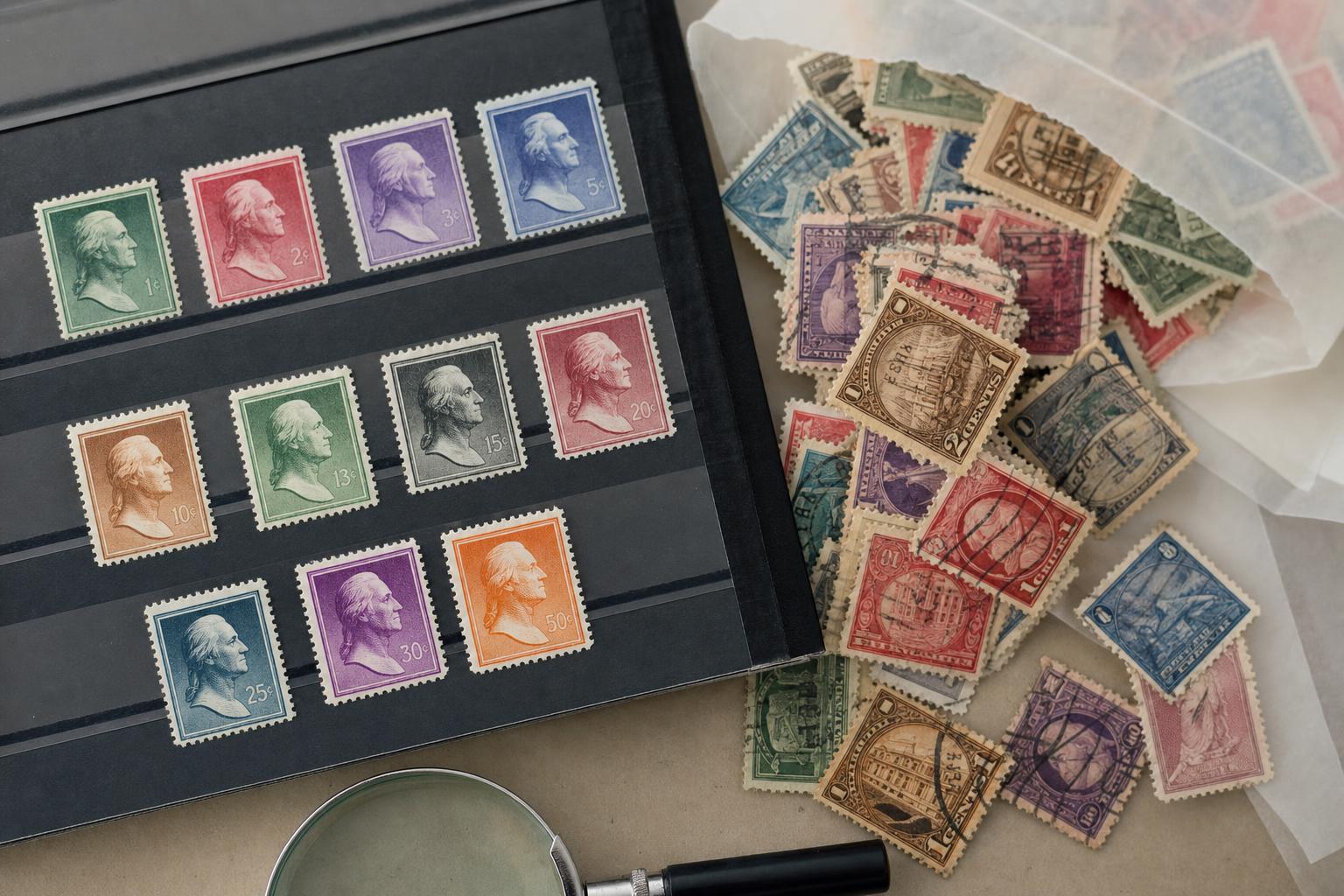
## Which Is Right For You: Mint Vs Used Stamps For Beginners
When you first dip your toes into stamp collecting, the question that trips up almost everyone is simple: buy mint or used? The phrase mint vs used stamps for beginners is tossed around in forums and shop counters, often as if there’s a single correct answer. There isn’t. The right choice depends on what you want from the hobby: investment, history, affordability, or just the plain joy of handling tiny pieces of design.
I learned this by buying the wrong thing a few times. A pristine mint stamp looked impressive on paper, but it didn’t fit the story I wanted to tell in my album. Later, a battered used stamp with a clear postmark taught me more about routes, dates, and real-world contact than any mint copy. Both have value. Both have traps.
### Understanding Mint And Used Stamps
Mint stamps are as close to factory fresh as you’ll find. They still have original gum on the back, and ideally no hinge marks. Unused modern self-adhesive stamps are a grey area because their gum is different, but they’re still considered mint if unissued or unhinged. Used stamps have been through the mail and carry postmarks. That inked history can add meaning and sometimes value.
For beginner stamp collecting, the first practical distinction to make is condition versus story. Mint stamps often score higher on condition. Used stamps often score higher on narrative. A 1930s airmail mint set might be crisp and great for showing a clean sheet; a used single with a rare flight cachet can be both cheaper and more historically interesting.
### Value, Rarity, And Market Realities
Collectors like to equate mint with money, and sometimes that’s true. A perfectly centered, gum-intact stamp can fetch a premium. But rarity and demand matter more than whether a stamp is mint or used. A scarce postmarked error may outprice a common mint sheet tenfold. In many classic issues, used examples are rarer because people collected mint copies and post offices kept mint stock. That flips expectations.
If you’re buying with resale in mind, learn the market for specific issues instead of relying on a blanket rule. Look at auction results, dealer price lists, and specialized catalogs. For low-value modern issues, the used market is full of postmarks and often not worth chasing unless the postmark itself is interesting. For older issues, especially 19th century, the used example can sometimes be the holy grail. This nuance matters for beginner stamp collecting: don’t assume mint always rises in value.
#### Condition Grades To Watch
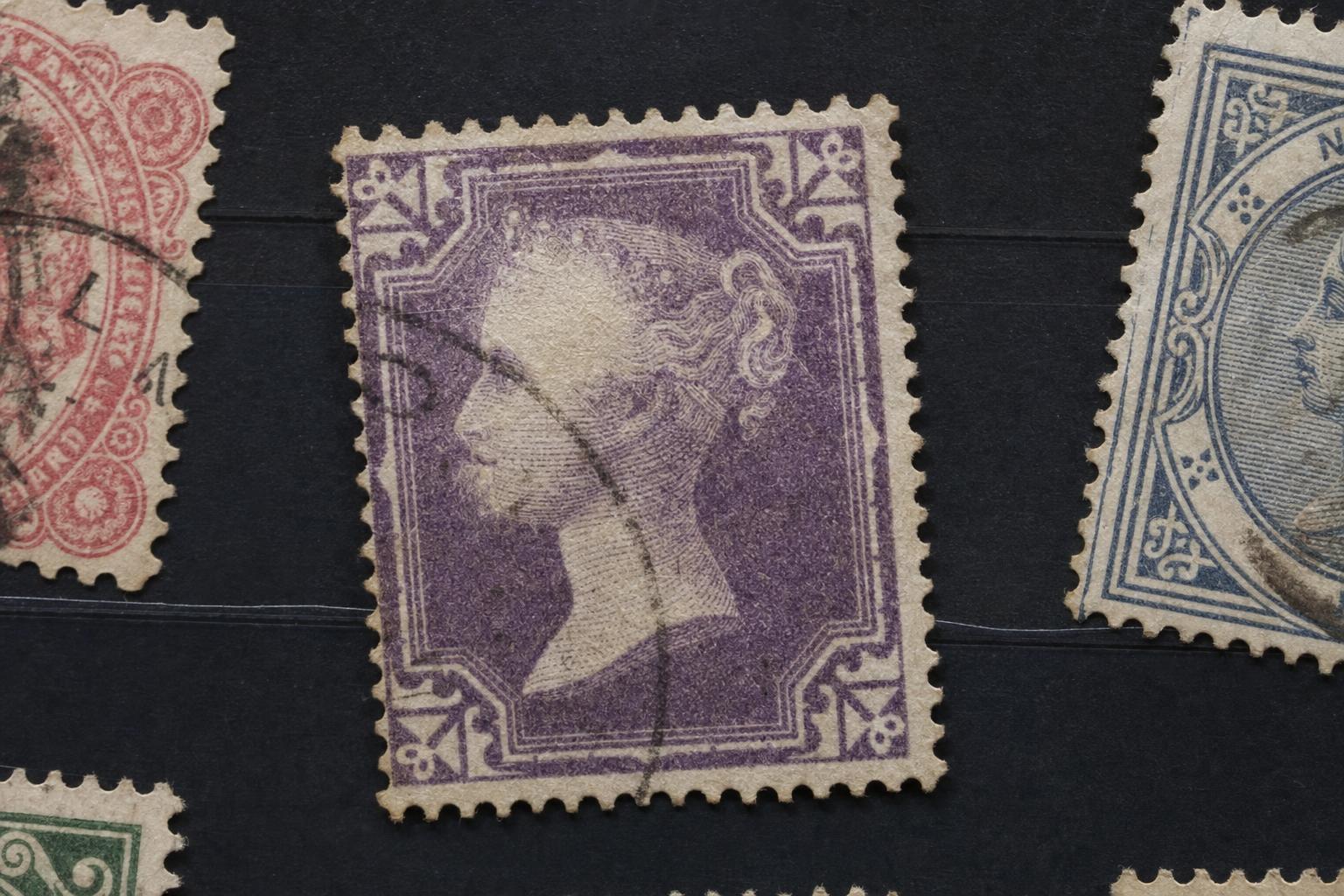
Collectors use terms that matter: gum intact, never hinged (NH), hinged (H), heavily hinged (HH), fine to very fine, and so on. For used stamps, pay attention to the quality of the cancellation. A light, unobtrusive postmark that doesn’t obscure the design is usually desirable. Heavy, smudged cancellations reduce collectible appeal.
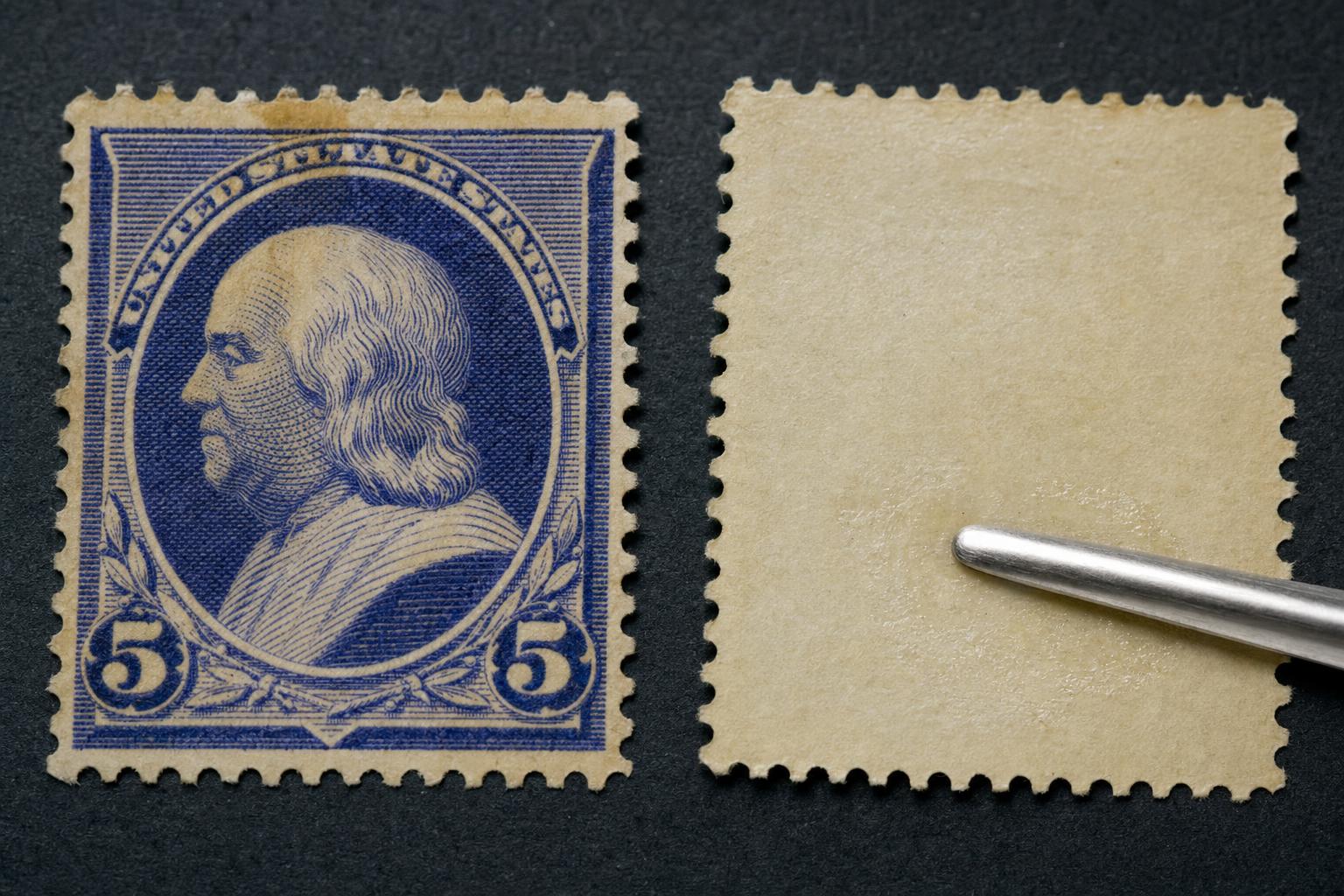
Yellowing, thins, creases, and tears are killers on either side. For mint items, check gum condition carefully: regumming and hinge remnants are common issues with older stamps. For used items, inspect the reverses for paper repairs. A small, well-executed repair can be hard to spot. Use a lamp and magnifier.
### How To Inspect Stamps Like A Pro
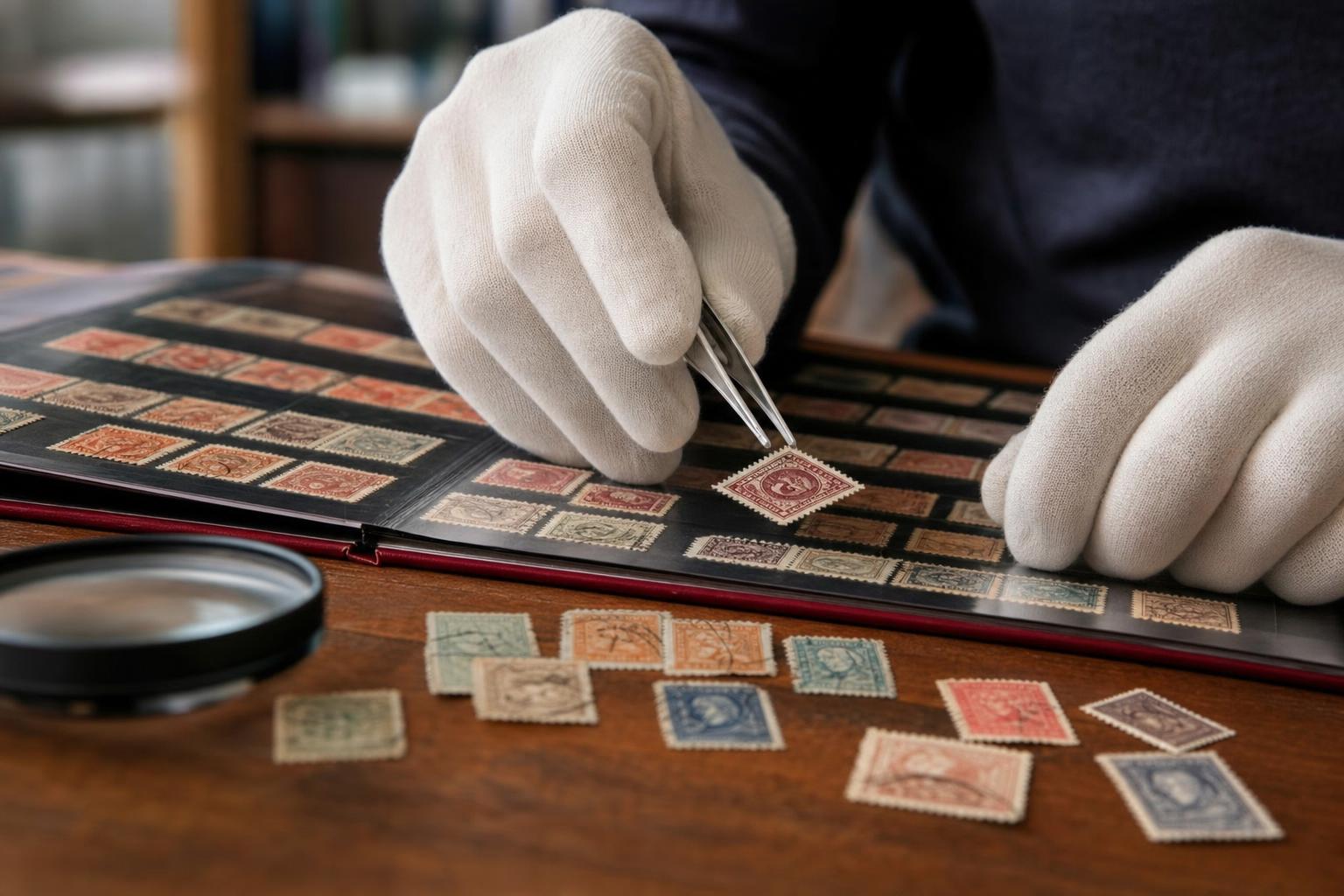
Bring a loupe. Use stamp tongs — fingers leave oils. Look at perforations, or the lack of them on imperforate issues. Check centering: a stamp perfectly centered within its frame is immediately more desirable. For mint stamps, tilt the stamp under light to detect gum disturbances. For used stamps, turn the stamp over and check for thins or repairs.
Postmarks tell stories. A clear town name and date can make a common stamp much more interesting. A cover — the whole envelope — is often worth more than the stamp alone when the postmark or routing is significant. For beginner stamp collecting, buy at least a few covers and study them; they teach you much faster than isolated stamps.
### Tools And First Buys
You don’t need a high-end toolkit to start. A basic set looks like this: a loupe (10x), stamp tongs, a stockbook or glassine envelopes, a supply of mounts and hinges if you choose that route, and a reference catalog that matches your collecting focus. A cheap UV lamp helps spot repairs and modern phosphor tagging.
Start with modest purchases. Pick a country, era, or theme that hooks you. If you like trains, collect train-themed stamps regardless of mint or used. If you like postal history, start buying covers. That approach keeps the hobby personal and avoids the trap of buying stamps solely because they might appreciate.
### Where To Buy Without Getting Burned
Local stamp clubs, small dealers, and online marketplaces all have pros and cons. Clubs are great for learning and for trading; you’ll be able to touch stamps and ask experienced collectors questions. Dealers offer consistency and usually honest descriptions. Online platforms give variety and price transparency, but descriptions can be optimistic. When you buy online, ask for close-ups and condition notes.
If a deal looks too good to be true, it usually is. Common scams include misrepresented condition, regumming, and fake cancels. Use reputable dealers for higher-value items and ask for guarantees. For lower-value purchases, accept that you might learn from a few mistakes.
#### Auctions And Estate Finds
Auctions are where interesting material shows up. But they require sharper knowledge. Read catalogs carefully. Understand buyer’s fees and shipping. Estate sales often contain unsorted or poorly described items that can include useful gems. For beginner stamp collecting, attending one estate sale in person and handling material can quickly teach the difference between clutter and treasure.
### Mint Vs Used: Which Makes Better Themed Collections?
If you’re building a thematic exhibit, mint stamps give visual uniformity. Sheets and blocks look clean and are great for display. Yet used stamps can add narrative depth: a used whale stamp with a South Seas postmark adds context to a maritime theme that a mint example lacks. I prefer mixing both for themed pages — mint where presentation matters, used where the postmark enriches the story.
Don’t be afraid to mix. A thematic exhibit that shows a mint block for design, followed by a used single with an unusual cancellation, tells both visual and postal stories. That duality is where the hidden potential of the hobby shows itself.
### Caring For Mint And Used Material
Storage matters more than you think. Mint gum can be sensitive to humidity. High humidity can cause gum to stick and sheets to curl. Store mint stamps flat, in a dry environment, ideally with silica packs nearby. Used stamps are less finicky about gum, but acids and adhesives from cheap paper can degrade the paper over time. Use archival-safe mounts and albums.
Handling is universal: use tongs, and avoid exposing stamps to sunlight. For older stamps, keep them away from heavy fragrance, smoke, and dust. Small steps prevent loss of value and keep your collection looking intentional.
### Budgeting For The First Year
For many beginners, the hobby’s biggest surprise is how quickly costs add up. A starter set of tools, a small stockbook, and a handful of modest stamps can be done for under a hundred dollars. But then you’ll want a few specialty purchases, a catalog, maybe a trip to a show. Set a realistic budget and accept that learning costs money. Buy things you’ll enjoy regardless of future resale value.
If you have a modest budget and can only choose mint or used, pick used for variety and history, mint for display and condition. For someone focusing on investment later, split purchases: a few high-quality mint items and some used rarities for interest.
### Common Beginner Mistakes And How To Avoid Them
Collectors fresh to the hobby often make the same errors: buying on impulse, trusting vague online photos, and undervaluing condition checks. Don’t buy because a stamp looks rare in a picture. Ask questions, request better images, and, when in doubt, pass. A patient approach yields better returns both in satisfaction and in money.
Also, avoid buying bulk lots without inspection. Many “lots” are full of duplicates and low-value issues. That said, breaking up a bulk lot at a local club can be fun if you’re hunting for small gems.
### The Joy Of Postmarks And Storytelling
Used stamps are miniature travel logs. A clear postmark ties a stamp to a place and time. For me, finding a used stamp from a tiny island with a readable town cancel has been more thrilling than a pristine mint example that could have been any country. If you want the postal story, focus on postmarks, covers, and usages. For mint vs used stamps for beginners, this is a key decision point: do you want condition or context?
Sometimes the context wins. A foreign used stamp on a domestic letter, an odd routing mark, or a wartime censor tape can turn a low-value stamp into a conversation piece that elevates your collection instantly.
### Making Decisions That Fit Your Style
At the end of the day, whether you lean mint or used, collect what you love. If you want to spend hours comparing gum and centering, mint collecting will suit you. If you enjoy maps, routes, and the lived world of mail, used stamps will keep you busy. Many of the best collections blend both.
Remember: for mint vs used stamps for beginners, the right answer is the one that keeps you opening the album and smiling. If your collection makes you want to learn more and visit shows, you’re doing it right. And if you find yourself wondering about a small detail — a tiny fault, a faint postmark — that curiosity is the engine of the hobby.
#### Finding Mentors And Community
Clubs are underrated. Experienced collectors will show you how to detect repairs, how to read a catalog’s code, and how to judge a cancel. Bring some stamps to your first meeting and ask for feedback. Most collectors love talking about their nitty-gritty observations. That’s where the real learning happens and where you’ll avoid many rookie mistakes.
If you prefer online, join reputable forums and social media groups, but verify advice. Photos lie. Real, hands-on guidance is worth seeking out at a show or club.
### Next Steps To Grow Your Collection
Once you’ve bought a few blocks of mint and a handful of used singles or covers, start organizing. Label pages with dates, routes, or thematic notes. Keep receipts and condition notes. Over time, you’ll refine tastes and know when to pay up for an exceptional mint item or when a used stamp’s postmark makes it irreplaceable. And don’t be afraid to sell pieces that no longer fit your focus; recycling material is part of the hobby’s rhythm.
Mint vs used stamps for beginners is not a technicality. It’s a choice about what you value in the hobby: gloss and perfection, or story and history. Choose intentionally, and the stamps will repay you with surprises, insights, and quiet satisfactions that last for years. Even small finds — an odd cancel, a misperf, a misprinted color — can make collecting feel like treasure hunting. Teh little things matter.
Leave a Reply