## Why Safe Stamp Handling Practices To Prevent Damage Matter
You don’t have to be a millionaire to own stamps that are worth preserving. A small crease, a fingerprint, or a lazy peel can shave serious value off a piece you’ve hunted for years. Safe stamp handling practices to prevent damage are not just for dealers and museums; they’re the basics every collector needs to know. Learn them now and you won’t spend years trying to undo avoidable mistakes.
Stamps are thin, often gum-backed pieces of paper with fragile perforations and inks that react to light, heat, and moisture. A momentary lapse—holding a stamp by the center, using household tape, or storing a pane in a damp attic—creates permanent harm. Most damage comes from handling and storage, not theft or fire. So the habits you build matter more than the expensive tools you might buy later.
## Essential Tools For Gentle Work
### Stamp Tongs And Tweezers
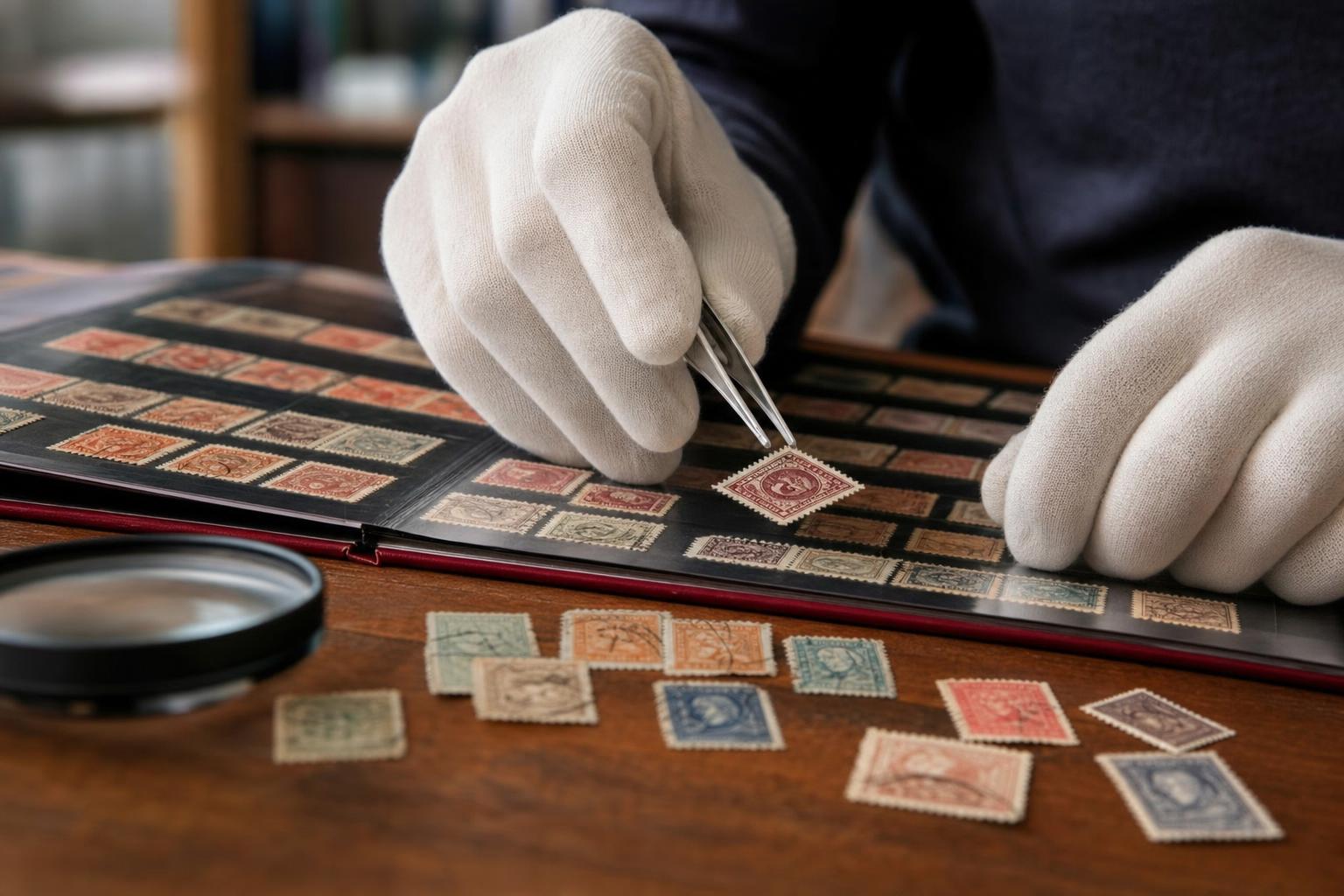
Use stamp tongs. Real tongs are long, narrow tweezers with flattened tips. They let you grip the stamp at the corner without crushing the paper. Practice picking up common, low-value stamps first. Grip too hard and you crush perforations. Grip too low and you touch the design. Stainless-steel tongs are durable; a set with both straight and angled tips is useful. Keep them clean. Wipe off any glue residue with a soft cloth.
### Magnification And Lighting
Good light shows hidden creases and thin spots. A 5x loupe or a desk lamp with a daylight bulb reduces mistakes. Natural light is fine for quick checks, but strong afternoon sun will fade colors. Use diffuse light to spot surface dirt and tiny tears.
### Mounts, Glassine, And Stockbooks
For storage, avoid shoving loose stamps into envelopes. Glassine envelopes and clear mounts protect surfaces and gum. Hingeless mounts are great for mint stamps; they hold the stamp without touching the gum. Stockbooks give quick access but can rub stamps together if overpacked. Choose mounts and pages sized for your stamps. Label each mount or page so you don’t fumble when hunting for a specific item. This is practical stamp care: protect now so you don’t need repairs later.
## How To Handle A Stamp Without Causing Damage
### Hold The Edges, Not The Center
It sounds obvious, but people still hold stamps by the middle. Always pick up by the perforated edge using tongs. If the stamp must be handled by fingers—for example, sorting large quantities—use clean, dry hands. Oils from skin transfer quickly. Keep hand lotion, food, and ink pens away from your workspace.
### Lifting Stamps From Paper And Envelopes
You’ll run into many types of paper and adhesives. Some stamps come off an envelope with a short soak in distilled water; others will bleed colors or are glued with modern adhesives that don’t dissolve. For common older stamps, place the envelope in a shallow tray of lukewarm distilled water until the stamp releases, face up. Let it float free and then lift with tongs onto blotting paper to dry. For valuable or unknown items, consult an expert before soaking. Steam can work for fragile adhesives, but steam risks cockling or staining the stamp. When unsure, slow and patient is the right approach.
### Avoid Licking, Tape, And Household Glue
Never reattach a stamp with household glue or tape. Both will cause stains and can irreversibly alter the gum. There are specific stamp hinges and mounts designed for attachment that won’t wreck your stamps. And no matter how tempted you are, don’t lick the back. Human saliva carries oils and microbes. Use mounting tools or self-adhesive mounts.
## Storage: Where Stamps Sleep Best
### Temperature And Humidity Control
Paper responds to humidity. Too dry and it becomes brittle; too moist and mold and ink runs appear. Aim for a relative humidity around 45-55 percent and a stable temperature in the mid-60s to low-70s Fahrenheit. That sounds fussy, but you don’t need a climate lab. Avoid basements, attics, and rooms above a garage. A closet in a regularly heated part of the house is fine. For high-value collections, a small dehumidifier or silica gel packs in storage boxes helps regulate moisture.
### Light, Pollutants, And Pests
Sunlight is the enemy of color. Store stamps in dark places or in albums with opaque covers. Cigarette smoke, cooking fumes, and airborne pollutants will discolor paper and gum. If you handle stamps near food, tiny grease splatters will ruin them. And pests will eat paper. Check boxes occasionally for tiny holes, droppings, or webbing. Use tight-sealing boxes and avoid cardboard that has acidic linings unless it’s archival-quality.
### Organization And Spacing
Don’t overcrowd. Overpacking stockbooks pushes perforations against each other and causes bends. Use separate pages or mounts for stamps with raised features like embossing. Group stamps in a way that minimizes handling: a layout that makes sense means you won’t be constantly pulling pages to find one piece.
## Cleaning, Conservation, And When To Call A Pro
### Surface Cleaning Without Ruining Anything
Superficial dirt can often be removed with a soft camel-hair brush. Gently brush from center to edge; don’t scrub. For foxing or stubborn stains, soaking might help, but colors can run. Use distilled water and a low bowl. Place stamps face up and let them release naturally. After soaking, rest the stamp face down on blotter paper. Replace blotter until dry, then press under a heavy book. Never attempt chemical cleaners at home unless you know exactly what you’re doing.
### Repairs: Tearing, Thinning, And Creases
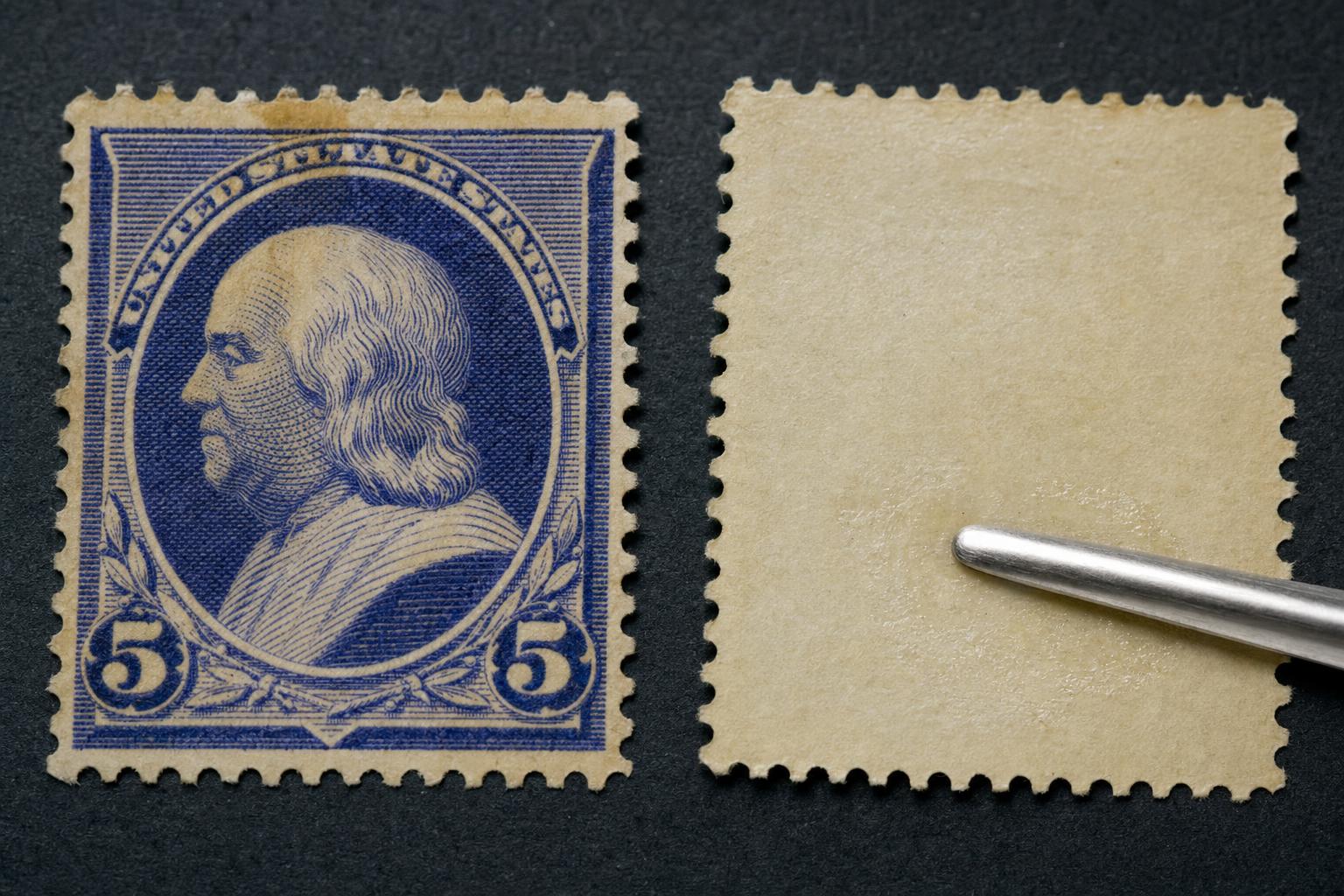
Small tears and creases sometimes can be improved by humidification and flattening, but thinned areas from poor removal or rough handling are often permanent. There are paper repair techniques—Japanese tissue paper and conservation adhesives—that a trained conservator uses. If a stamp’s value justifies repair, get a professional. A wrong fix will do more harm than leaving the defect as-is.
### When To Seek Expert Help
If you locate a rare or expensive piece, stop. Don’t try to clean, remove, or flatten it without advice. Even well-meaning attempts can ruin provenance or cause irreversible damage. Consult a reputable philatelic conservator or an experienced dealer. You’ll save money and stress in the long run.
## Handling High-Value And Rare Stamps
### Documentation And Provenance
High-value stamps should be documented with photographs and records the moment they join your collection. Note condition, any flaws, and how they were stored. That paper trail matters for insurance and resale. Keep certificates of authenticity safely with the stamp’s records, not taped to the album page.
### Transport And Exhibition
When transporting valuable stamps, use padded cases and mounts to keep them immobilized. Keep them in a climate-controlled bag if the journey passes through extreme heat. For exhibitions, use mounts that prevent movement, and limit exposure time to bright lights. Make sure security measures are in place. If you lend a stamp, always get a written agreement that outlines care expectations and liabilities.
## Common Mistakes That Cause The Most Damage
### Fingertips And Fingernails
Even a quick fingertip swipe leaves oils. Fingernails can cause tiny tears that become larger over time. Use tongs, and if you must use fingers, wash them first and pat them completely dry. It’s not glamorous, but it’s effective. Teh small stuff adds up.
### Overuse Of Hinges And Poor Mounting Choices
Hinges were common decades ago, but repeated hinging weakens paper. For mint stamps, hinges can gum up the back and reduce value. Hingeless mounts are inexpensive and protect gum. If you collect used stamps, avoid re-hinging a stamp purely for appearance. Each hinge carries a cost to the paper.
### Inappropriate Cleaning
Rubbing with erasers, household cleaners, or abrasive pads will thin paper and remove printing. Water can be a savior, but careless soaking will make inks run. If a stain seems stubborn, pause. Consider that the stain might be part of the stamp’s history. Over-cleaning leaves the stamp looking doctored and may lower collectible value.
## Everyday Stamp Care Habits Worth Adopting
### Inspect Regularly
Check your collection every few months for signs of changes. Look for discoloration, stuck stamps, or evidence of pests. A quick inspection takes just minutes and catches small problems before they escalate.
### Keep A Digital Record
Photograph stamps under stable light and store metadata: date acquired, source, condition notes, and any certificates. Digital records make insurance claims faster and help identify items quickly without handling them.
### Mind The Environment When You Work
Work at a clean table with a soft surface like a blotter or dark felt. Keep food and drinks out of the area. If you’re sorting through envelopes, do it in a place where you can leave them to dry flat without risk. A little organization reduces handling and mistakes.
## Practical Examples And Case Notes
### A Common Error: Rushing The Soak
A collector tried to remove a sheet-of-stamps from an envelope in a rush. He held the soaked envelope up and pulled; several stamps thinned where the paper stuck. A slower soak, and lifting each stamp with tongs while it floated, would have avoided that damage.
### Success Story: Using Simple Mounts
Another collector switched from hinging to clear mounts. The stamps looked neater, retained gum condition, and resale offers improved. The mounts cost a little but preserved the collection’s future value.
### Minor Repairs Done Right
A small crease on a used stamp was flattened by controlled humidification in a sealed box with a damp sponge on the side (not touching). After a day, the collector pressed the stamp between blotters and a weight. The crease softened without further damage. That careful approach made an obvious difference. Be careful; this technique requires a gentle touch and the right materials.
## Building Good Habits That Last
Use tools and behavior to turn carefulness into habit. Put tongs next to your albums. Keep a loupe and a small brush in a pouch with your mounts. Label boxes and date your inspections in a notebook. These small rituals mean fewer damaged stamps over years of collecting.
Good stamp care doesn’t require perfection. You will make mistakes. The goal is to prevent the easy, avoidable ones. Train yourself to think a second before touching. Learn to recognize when an item is beyond your skills and call for help. Small steps now keep your collection intact and let you enjoy the hunt without regret.
Keep practicing these safe stamp handling practices to prevent damage, and you’ll save time, money, and the frustration of seeing a rare find diminished. Safe stamp handling practices to prevent damage are habits more than rules; they’re the difference between a pile of paper and a collection with meaning. Remember to include stamp handling and stamp care in your daily routine so that every piece you buy or recieve stays as good as the day you found it.
Leave a Reply