
## Top Recent USPS Stamp Designs Worth Paying Attention To
You can tell a lot about collecting by looking at what the Postal Service chooses to print. The top recent usps stamp designs have been doing something different: they act like small museum exhibits you can hold. Some are loud and graphic, some are whisper-quiet with a tiny, perfect illustration. Together they’re nudging collectors away from the old checklist mentality and toward picking stamps that matter to them visually or culturally.
## Why These Modern USPS Stamps Matter
There was a time when stamps were mostly about national pageantry and important anniversaries. Now the focus often lands on art, identity, and craft. Modern usps stamps are less about filling a gap in a set and more about making a statement—about design technique, community, or a fresh take on history. When a stamp captures a mood or tells a compact story, people who never thought of themselves as collectors stop and pay attention.
You’ll see this in both subject matter and production. The USPS has leaned into collaborations with contemporary artists, used unconventional printing techniques, and commissioned designs that center underrepresented figures and movements. That means the top recent usps stamp designs aren’t just collectibles; they’re a barometer of what tastes and values look like right now.
## The Most Eye-Catching Releases
You don’t need every stamp to notice the trend. Certain releases stand out because they combine subject, design, and finishing in a way that feels modern. Here are the ones collectors are still talking about.
### Contemporary Artists Series
The Contemporary Artists Series pairs living creators with the stamp format, and that’s been revelatory. Instead of the same photo-with-text layout, these stamps behave like tiny prints of an artist’s work. The palette choices, cropped compositions, and even the negative space feel intentional.
One example used layered halftones to mimic an artist’s collage, and collectors loved how the texture read at a glance even at stamp scale. If you’re into art but never got into philately, this series functions as a low-cost way to test that interest. You can frame a sheet and put it on the wall. It’s small, affordable, and immediate.
### National Parks And Landscapes
Parks and scenic stamps will probably never go out of style. But recent issues have treated landscapes not as trophies but as atmospheres. Rather than just a sweeping vista labeled with a park name, designers focused on moments: a fog bank sliding through pines, a close crop of desert flora at golden hour, a reflective lake with a single ripple. The technique matters; color separations and micro-texture printing produce a depth that feels richer than a standard photo reproduction.
Collectors who care about color and mood often hunt these down for single-stamp frames. They’re easy to display and make for strong conversation pieces.
#### Lenticular And Special Finishes
Some recent usps stamp designs used lenticular printing to create movement when you tilt the sheet. It’s a gimmick if done clumsily. When it’s done well, like simulating a shimmering water surface or a bird in mid-flap, it creates a tiny, almost magical moment. There were also examples with metallic inks and spot varnishes that highlight parts of the image, like a sun or a metallic ornament. These finishes change how you interact with a stamp: you tilt it, you hold it close, you discover something new.
### Heritage And Social History
Historically important figures and movements are common stamp subjects, but recent choices show the USPS is attentive to narrative depth. Rather than simply printing a portrait, many designs place the subject in context—film reels, protest signs, or a backdrop of archival photos. Those visual cues tell a story in a glance. It’s a subtle rhetorical shift: stamps become primers on cultural relevance, not just commemorations.
This is where some of the most discussed releases sit. They open the door to conversations in classrooms and around kitchen tables. Schools will buy sheets for lessons. Local museums will include them in exhibits. That reach matters for both the stamp hobby and public history.
## Design Elements Collectors Notice
Terms like “graphic weight” and “typography” might sound fussy, but they’re why some stamps stop you scroll-like through a stamp dealer’s catalog and make you click. Modern usps stamps show a few recurring tendencies.
– Strong, simple shapes. Because stamps are small, clear silhouettes read better than busy scenes. Designers have embraced bold forms and decisive crops.
– Intentional typography. Type isn’t just a label anymore; it’s part of the image. Fonts are selected to match the subject—more humanist for cultural themes, more geometric for tech-related stamps.
– Color restraint. You’ll see fewer fully saturated rainbows and more two- or three-color schemes that rely on contrast to be legible and striking.
These choices reflect more than aesthetic taste. They respond to how people see now—fast, on screens, then up-close with a magnifier. Many collectors describe finding stamps that feel like they belong in a modern design studio rather than an archive.
## Notable Releases That Are Shaping The Market
The market reacts to certain high-profile issues. Recent releases have prompted collectors to rethink what makes a stamp desirable.
### Pride And Identity Stamps
Pride-themed stamps have been around for a while, but new designs approach the subject with nuance. One issue paired abstract color fields with portrait fragments to suggest visibility and community without relying on obvious symbols. That subtlety made the stamp feel inclusive to a broader audience, and collectors appreciated the visual restraint.
### Music And Pop Culture Subjects
When the USPS honors musicians or cultural icons, they avoid simple portraiture. A recent sheet used stage lighting motifs and concert-scene cropping to convey atmosphere. These choices attract fans who wouldn’t normally collect stamps but want a physical memento. That crossover interest has been one reason top recent usps stamp designs have seen strong secondary-market demand.
### Science And Space Themes
Space stamps have long been a collector favorite. Lately the approach has been less celebratory-poster and more speculative—showing instruments, diagrams, and maps alongside imagery. That technical layering appeals to hobbyists who like context: what mission, what instrument, what discovery. These stamps become talking points about process, not just achievement.
## How Collecting Has Changed In Practice
The hobby has shifted from completion to curation. Instead of trying to own every issue, many collectors now form micro-collections around an idea: typography, lenticular effects, or a region’s parks. That’s partly because circulation is wider; you can buy cheaply online. It’s also because the new designs invite selective collecting.
Another change: social media shapes taste. A striking image posted by a collector can send demand soaring overnight. Dealers adapt quickly. If a stamp’s design lands on a popular design blog or Instagram feed, scarcity can become a thing even if initial print runs were large.
### From Errors To Stories
Old-school collecting often prioritized printing errors and plate varieties. Those still matter, but modern collectors are equally interested in the story behind a design. Who was the artist? What archival material did they use? Was the subject chosen because of community lobbying? That narrative context can be as valuable as a rare error when it comes to long-term interest.
### Practical Tips For Building A Collection
Start with curiosity. Pick a theme and learn the backstory of each release. Keep everything flat and dry. Use archival sleeves for singles you care about and invest in a good stockbook for mint sheets. Track provenance when you can; a first-day cover with a collector’s note is more interesting than an anonymous sheet off an auction site.
Buy what pleases you first. Some people chase value; others chase visual resonance. Both approaches work, but mixing them without a plan leads to clutter. Decide whether you want display pieces, research subjects, or resale assets.
#### Storage And Preservation
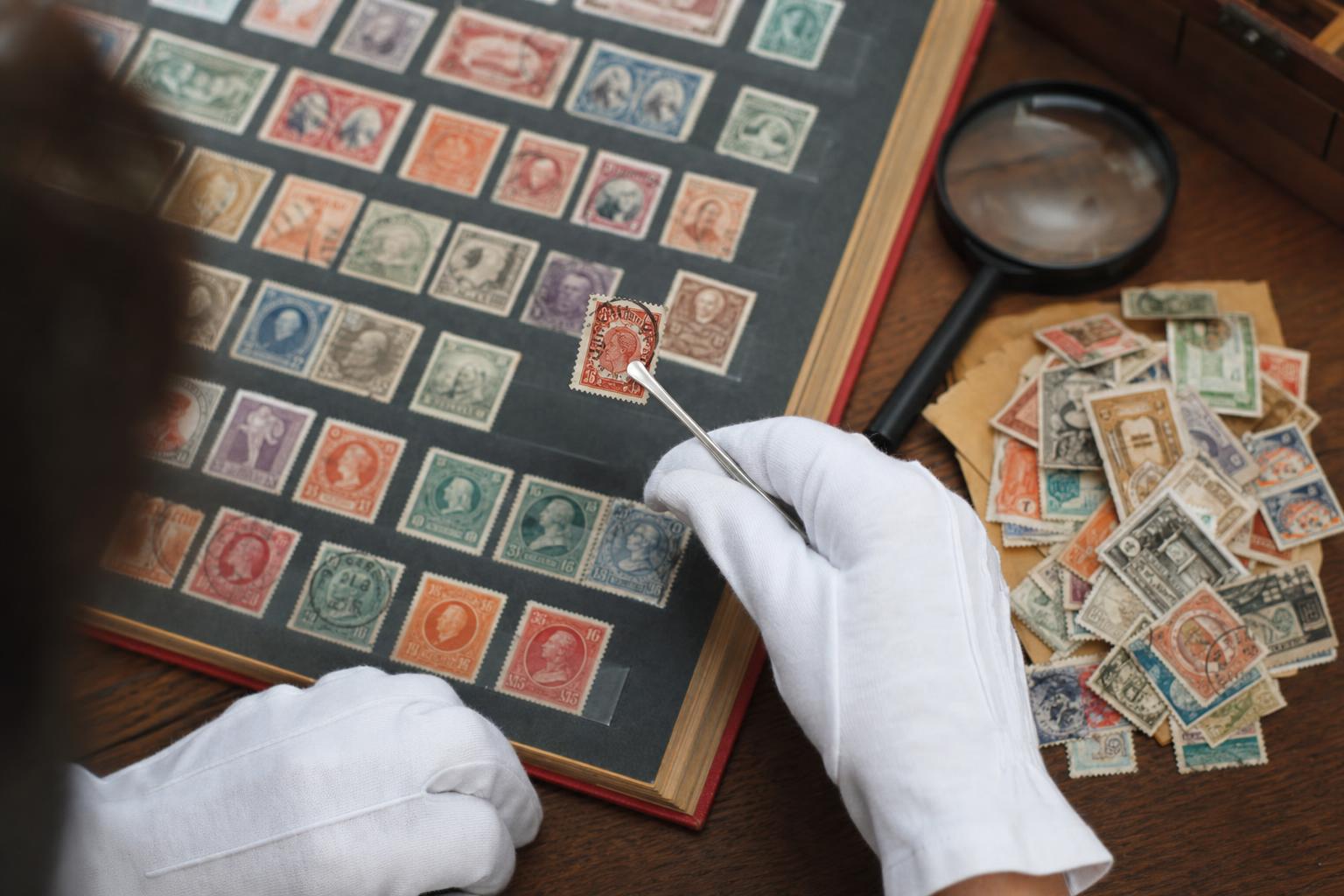
Temperature and humidity affect paper and adhesive. Store stamps in a climate-stable place out of direct sunlight. There are affordable tools that make a big difference: archival mounts, buffered envelopes, and acid-free backing boards. For particularly delicate or valuable stamps, flat storage in a sealed sleeve keeps humidity swings from warping edges. Also, avoid touching the face of a stamp with bare fingers. Oils will degrade paper and inks over time.
## Marketplace Signals And Value Drivers
Value used to be a straightforward function of scarcity and condition. Now narrative, design quality, and cultural relevance carry weight. A well-designed stamp paired with a compelling story can appreciate because it attracts more collectors.
Online platforms have democratized trade. You can buy a mint sheet from a small town vendor or a first-day cover from a major dealer. Auction houses will still move high-ticket items, but smaller transactions happen on community boards and Instagram shops. That exposure increases competition and sometimes drives prices beyond what old valuation methods would predict.
### Where To Buy And What To Watch Out For
The obvious places are post offices and the USPS website. For issues that sell out quickly in-store, dealers and online marketplaces fill the gap. If you buy used stamps, check for heavy cancellations or damage. If you’re buying mint, verify seals and gum condition. Condition matters more than ever with top recent usps stamp designs because many buyers buy for display.
Watch for supply chain quirks too. During certain releases, demand outpaces print runs and brokers step in. Decide if you’re paying a premium for convenience or for scarcity. Both choices are valid; just be intentional.
### What Drives Value Now
Buzz. A stamp that gets shared widely or picked up by design press can become more valuable than one with comparable rarity. Collaboration with a high-profile artist helps. Historical resonance helps. Sometimes it’s just timing—a release that coincides with a book, exhibit, or anniversary will get extra attention.
Collectability also increases when stamps are visually versatile; sheets that work as art pieces are easier to resell to non-collectors. That has been crucial for many modern usps stamps.
## How Designers Are Pushing The Medium
Designers increasingly see stamps as a distinct problem: make a story fit within a space the size of a postage square. The best of the new designs treat that constraint as an advantage. They play with cropping, typography as texture, and negative space.
Artists often supply multiple concept sketches. The USPS design review process selects versions that will read at small scale and align with postal traditions. That tension produces interesting outcomes: a stamp that’s minimalist to be legible but carries a detail that rewards a second look.
Collaboration with cultural institutions has been key. When museums and archives provide access to unique imagery, the resulting stamps feel grounded in research. That invites historians and casual collectors alike to value the stamp as a piece of scholarship, not just an image.
## Community And The Joy Of Discovery
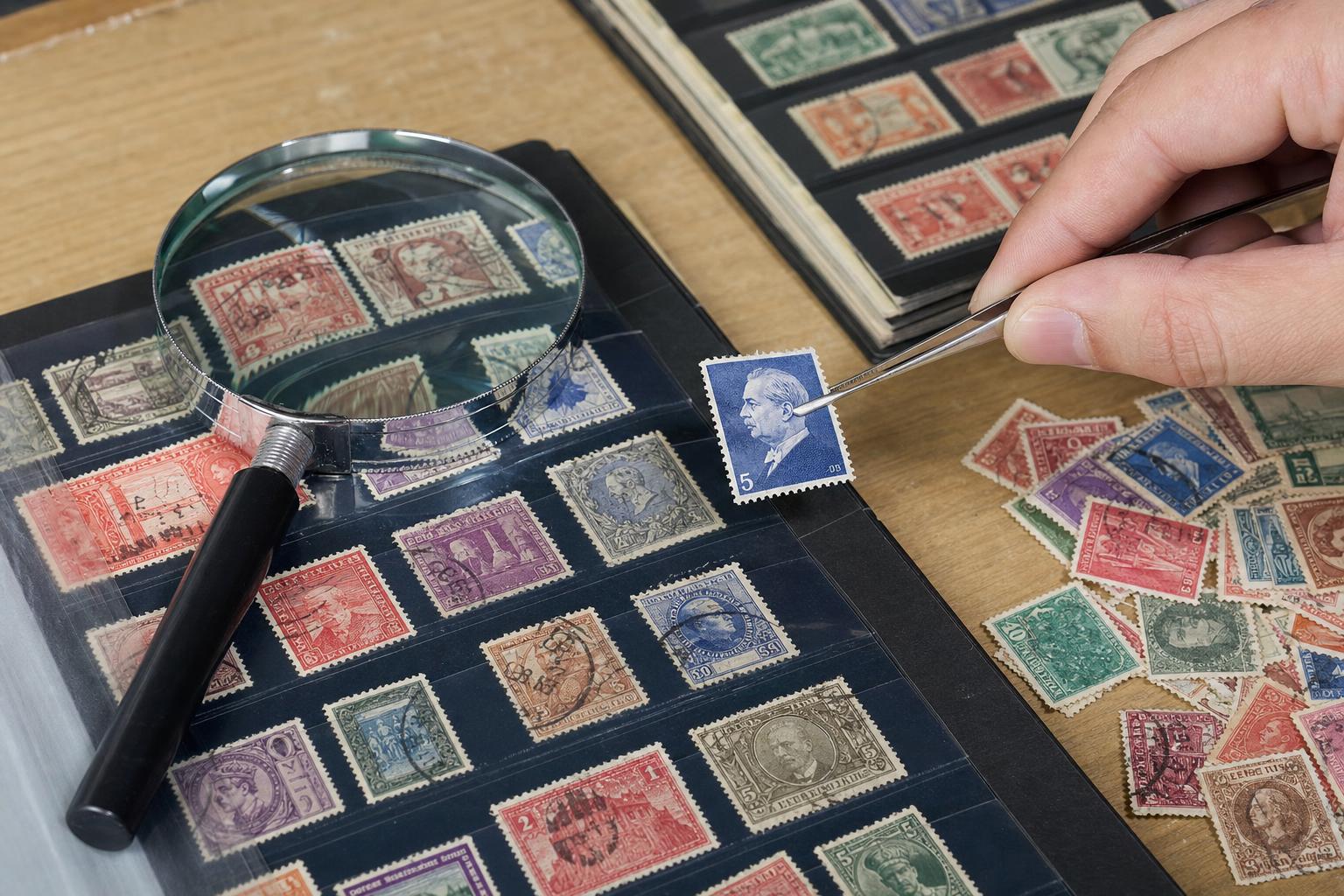
Part of why the hobby is resurging is community. People swap sheets in local clubs, trade online, and post discoveries. A modern collector might bring a loupe to a coffee meetup and laugh over an obscure design choice. That social layer turns stamps from static objects into shared experiences.
Collectors often tell stories about finding a sheet in a small-town post office that wasn’t advertised online. Those finds feel special. Even if a design is widely praised online, a physical encounter in an unexpected place can still surprise—like running into an old friend in a crowd.
The culture around collecting has softened, too. Longtime collecters are mentoring newcomers, and forums focus more on sharing knowledge than gatekeeping. That openness helps sustain interest in modern usps stamps and the broader hobby.
## How To Spot Design Quality Quickly
If you only have a few seconds to judge a stamp, look for three things: clarity of concept, use of scale, and how the typography functions. Does the image read at thumbnail size? Is there a focal point? Do the type and imagery speak the same visual language?
Good color balance is a quick tell. If the palette feels accidental or muddy, the stamp will fatigue your eye. If it feels deliberate, you’ll remember it. Also check for finishing touches: spot varnish, metallic ink, or special perforations. They often elevate a design from good to collectable.
## The Role Of The USPS In Shaping Taste
The Postal Service is not a trendsetter in the commercial sense, but it occupies a unique cultural position. Stamps circulate in every community. By choosing certain subjects and design approaches, the USPS can legitimize aesthetic directions and historical conversations. That influence is subtle but real.
Recent issues show the agency listening to public input and staying alert to contemporary artists. That willingness to experiment—within the constraints of a conservative institution—has opened up possibilities for what stamps can do. It’s why serious designers are now interested in the format, and why many collectors care about the top recent usps stamp designs.
## Getting Started Without Going Deep
You don’t have to become a completist. Start with a single theme: birds, typography, or the work of one artist. Buy a sheet that excites you, mount a few in a frame, and keep the rest in sleeves. Visit post office releases and talk to other collectors. You’ll learn fast which modern usps stamps genuinely resonate and which are passing trends.
If you prefer a more deliberate approach, document each purchase. A simple spreadsheet with date, dealer, and condition saves headaches later. That habit pays off whether you keep your collection or sell it down the road. It also helps you track which usps stamp designs have staying power.
## Stories That Make Stamps Hum
Great stamps carry little narratives: a climate image that references a scientific timeline, a portrait that pairs with a local protest history, or a piece of art that nods to a small community’s craft tradition. Those backstories are what drive real attachment. They turn a collectible into something you can describe with heat and detail.
Collectors often treasure the oddities—the limited prints, the regional variants, a glow-in-the-dark element that wasn’t widely publicized. Those discoveries multiply the pleasure of collecting. Some stamps are quietly designed to reward that curiosity, and that’s part of what makes current issues so engaging.
## When To Hold And When To Trade
If a stamp matters to you visually or historically, keep it. If it’s purely speculative and the market isn’t backing it, trading earlier often reduces regret. Most people find a sweet spot where they hold the pieces that tell the stories they want and trade the rest to fund the next interesting find.
After a while you’ll recognize your own taste rhythm. Mine tilted toward bold graphic design and cultural history; yours may tilt toward cancellations and postal history. Both are valid. The new wave of usps stamp designs gives everyone something to chase.
## Resources For Deepening Your Knowledge
Look for small, focused publications—zines and blogs that dig into design and production. Museums and archives sometimes publish essays when a stamp covers material from their collections. Also pay attention to designer interviews. Hearing a creator describe their crop decisions or type choices illuminates why a stamp works.
Clubs remain invaluable. Local meetings give you access to other collectors’ sleeves and magnifiers, and you’ll get a sense of which top recent usps stamp designs are getting real traction rather than passing hype.
A last practical note: be aware of counterfeits and unauthorized reproductions. High-quality rubbings or reproductions can confuse newcomers. If something seems too good to be true pricewise, ask for provenance or a return option.
Keep looking. The more you handle stamps, the better you’ll recognize the ones that matter to you and the ones that are just pretty. In the meantime, some of the best modern usps stamps encourage you to stop and look, which is why so many collectors—seasoned and new—are paying attention to the top recent usps stamp designs and reshaping how collecting works. A surprising piece in a small town post office can shift what you think a collection should be.
And once you start, the hunt quickly becomes the point. You’ll find that a single sheet can change your whole approach. It happened to me when I found a vibrent park scene tucked behind counter envelopes and I couldn’t stop looking at the texture. My collecter friends laughed, but they understood the feeling.
Leave a Reply