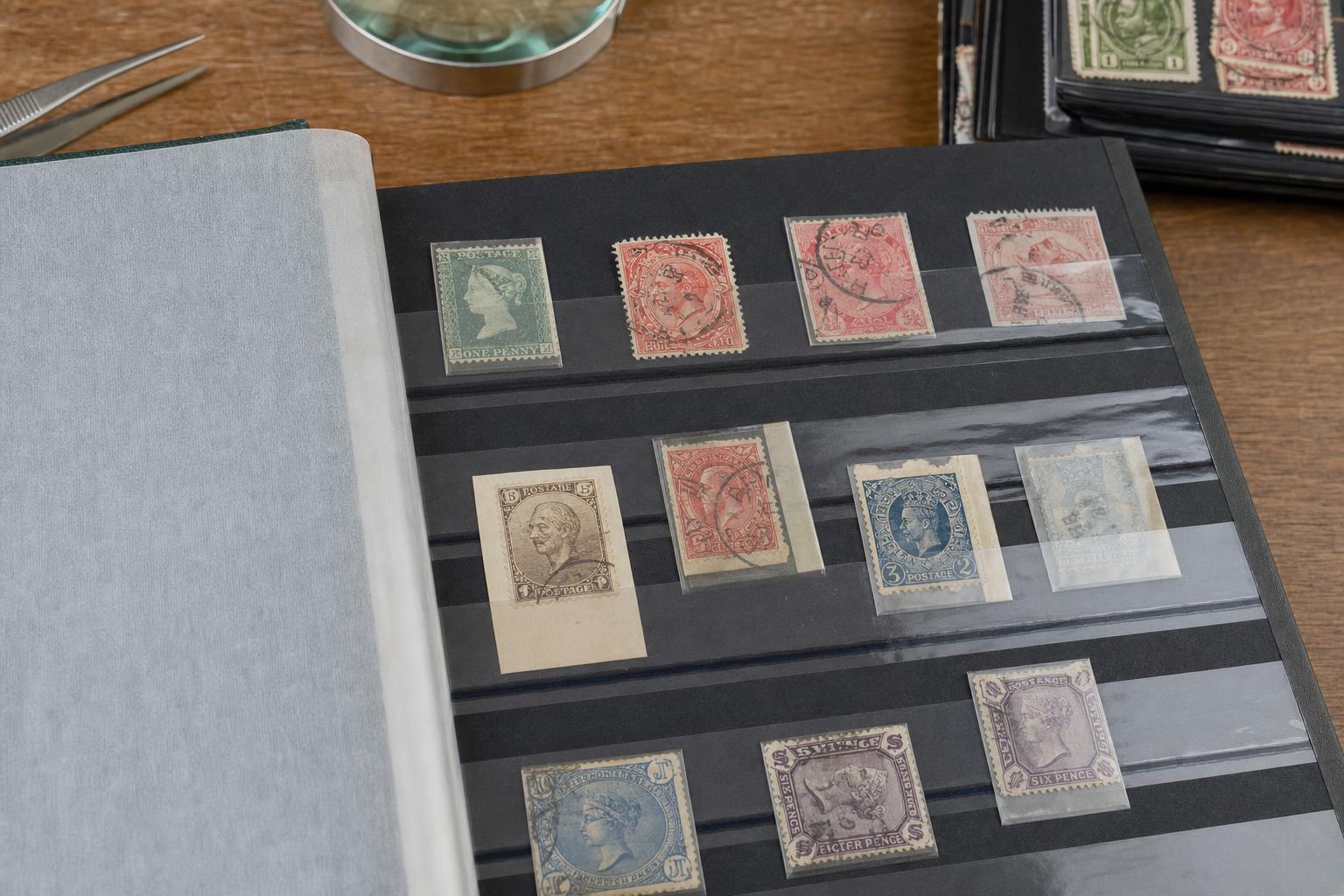
If you keep a stamp album at home, you sooner or later face the same trade-off: do you hinge a stamp and make it easy to move, or do you give it a clear, protective sleeve and leave the paper untouched? Both have their place. This piece focuses on when to use stamp mounts instead of hinges and why that choice matters for preservation.
## When To Use Stamp Mounts Instead Of Hinges: A Practical Guide
Start here: use mounts when you don’t want any adhesive touching the stamp’s paper or gum. That’s the core difference. Hinges fold a piece of gummed paper onto the stamp, and even a tiny hinge can disturb the gum, crease thin paper, or leave residue. Mounts hold the stamp in a pocket of inert plastic so the stamp can sit untouched, sometimes even with a bit of space between it and the mount. If you collect mint issues, rare pieces, or anything you plan to keep long-term, that’s when to use stamp mounts instead of hinges.
### Why The Choice Affects Preservation
Hinges are convenient and cheap, and for many collectors they’ve been the default for generations. But they’re not benign. A hinge glued to the back of a stamp can:
– Remove original gum when it’s lifted.
– Darken or discolor the hinge area over time.
– Cause thins or tears on fragile stamps when removed.
– Make it hard to certify a mint stamp as never hinged.
Mounts avoid those problems because there’s no adhesive applied to the stamp itself. Collectors concerned with future resale, exhibition, or long-term preservaton of their items choose mounts because they keep the stamp in more pristine condition.
#### When Stamp Condition Dictates The Method
Think in practical terms. For a cheap, used common stamp with no collector value, a hinge is fine. For a lightly hinged mint stamp where gum condition matters, use a mount. If a stamp is thin or has tears, a mount can support it more evenly and protect the damaged edges better than a hinge that puts stress on a single point.
### Mint Stamps And Original Gum
Mint stamps are the single biggest reason collectors choose mounts. A mint, never-hinged (NH) stamp can command a significant premium over its hinged counterpart. If a stamp’s value is tied to the state of its gum, do not hinge it. Put it into a clear mount and your stamp’s back remains untouched. That’s why dealers and advanced collectors commonly prefer mounts for higher-value modern issues.
## Mounting Vs Hinges: Display And Handling Considerations
When you need to flip pages, show items, or handle material at a fair, mounts are far less risky. With a mount, you can lift a page and the stamp stays put in a stable pocket. Hinged stamps can flop, catch, or lift at the hinge point. In a busy show or a study session, that matters.
Mounts also make photography and scanning simpler. A stamp sitting flat in a mount won’t curl or move as you adjust lighting. The mount’s clear front gives a clean view without needing to touch the stamp.
#### Visibility Of Backs And Expertizing Needs
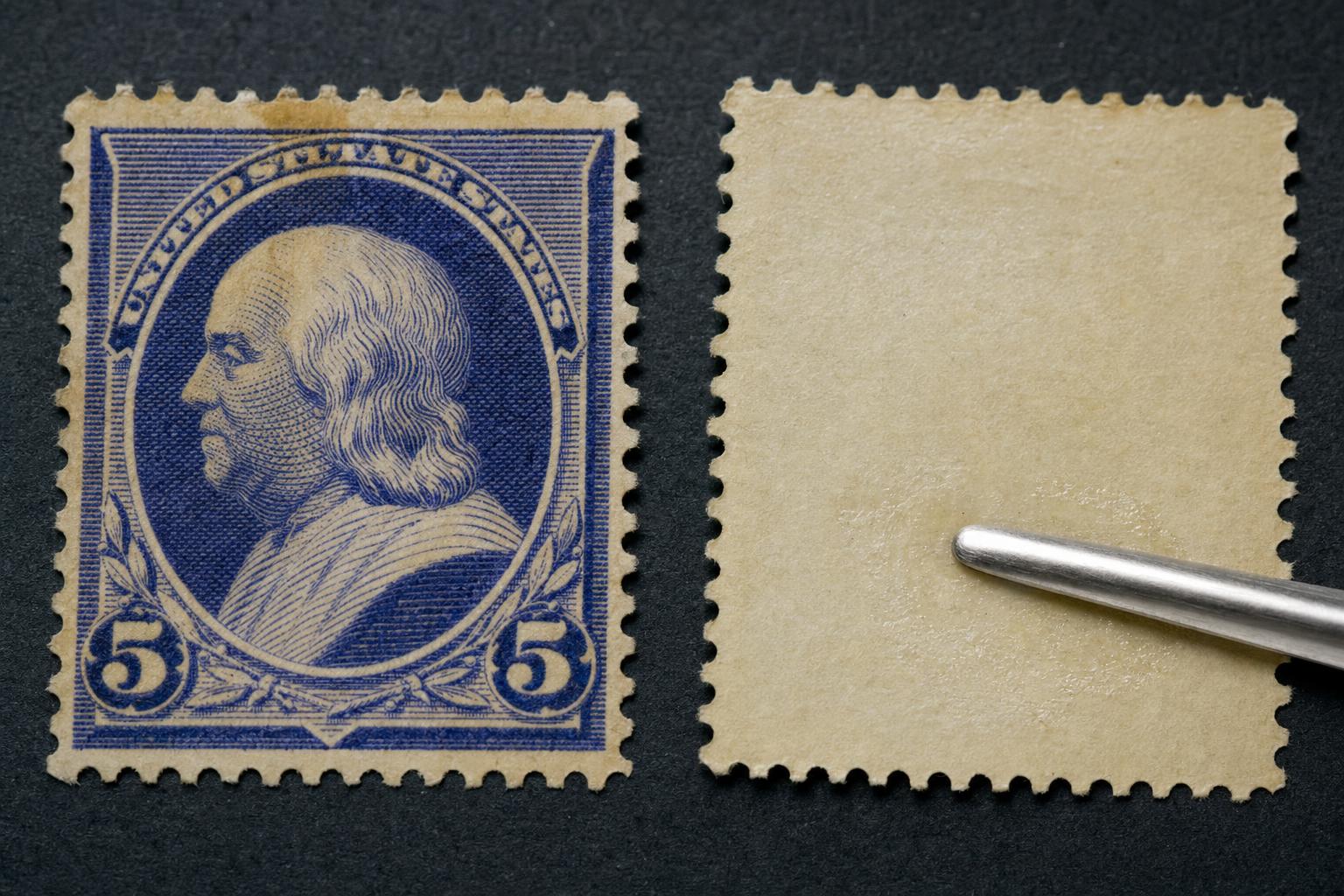
There are cases where you want to examine the back of a stamp—watermarks, gum characteristics, or expert marks. Hinges let you see the back easily because you can lift the stamp. Mounts can obscure the back unless you use a front-opening or removable mount. If back inspection matters frequently, choose mounts that allow removal without stress, or reserve hinges where back inspection is the priority.
### Storage Environment And Long-Term Safety
How you store stamps affects the mount vs hinge decision as much as the stamp itself. High humidity and temperature fluctuations make adhesives degrade, so hinged stamps can suffer staining and mold more readily in poor environments. Mounts—if made from archival, PVC-free material—are more stable. They create a buffer between the stamp and album page, reducing the chance of acid migration or sticky contact.
Be picky about materials. Some cheap mounts off the shelf are made from plastics that emit plasticizers over years. Buy mounts labeled “archival,” “acid-free,” or “PVC-free.” Those labels mean the film is designed not to leach chemicals and to remain stable over time.
## How To Choose The Right Stamp Mounts
All mounts are not the same. There are several types and each has a specific use.
– Full Face Mounts: Cover the entire front and back of the stamp. Good for display and safe storage. They also keep everything flat, but you’ll need to remove the stamp to see the back.
– Hingeless/Slip-In Mounts: The stamp slides into a pocket from the top or side. These are the most common for collectors concerned with preservation because they’re easy to remove.
– Pre-Cut Album Pages With Mounts: Albums that come with pre-cut mounts are convenient but make sure the mounts are archival quality.
When choosing mounts, balance visibility, access to the back, and the level of protection required. For very valuable stamps, choose mounts where the stamp can be removed without force and where the mount itself is sturdy enough not to collapse or scratch.
### Size And Fit Matter
A mount should be slightly larger than the stamp. Too tight and the edges of the stamp can press against the plastic, causing indentations. Too loose and the stamp can slide, catch, or rub against page edges. For oddly shaped issues, consider trimming mounts or using full-face options to avoid pressure points.
## Practical Steps For Applying And Removing Mounts
Applying mounts is straightforward if you pay attention.
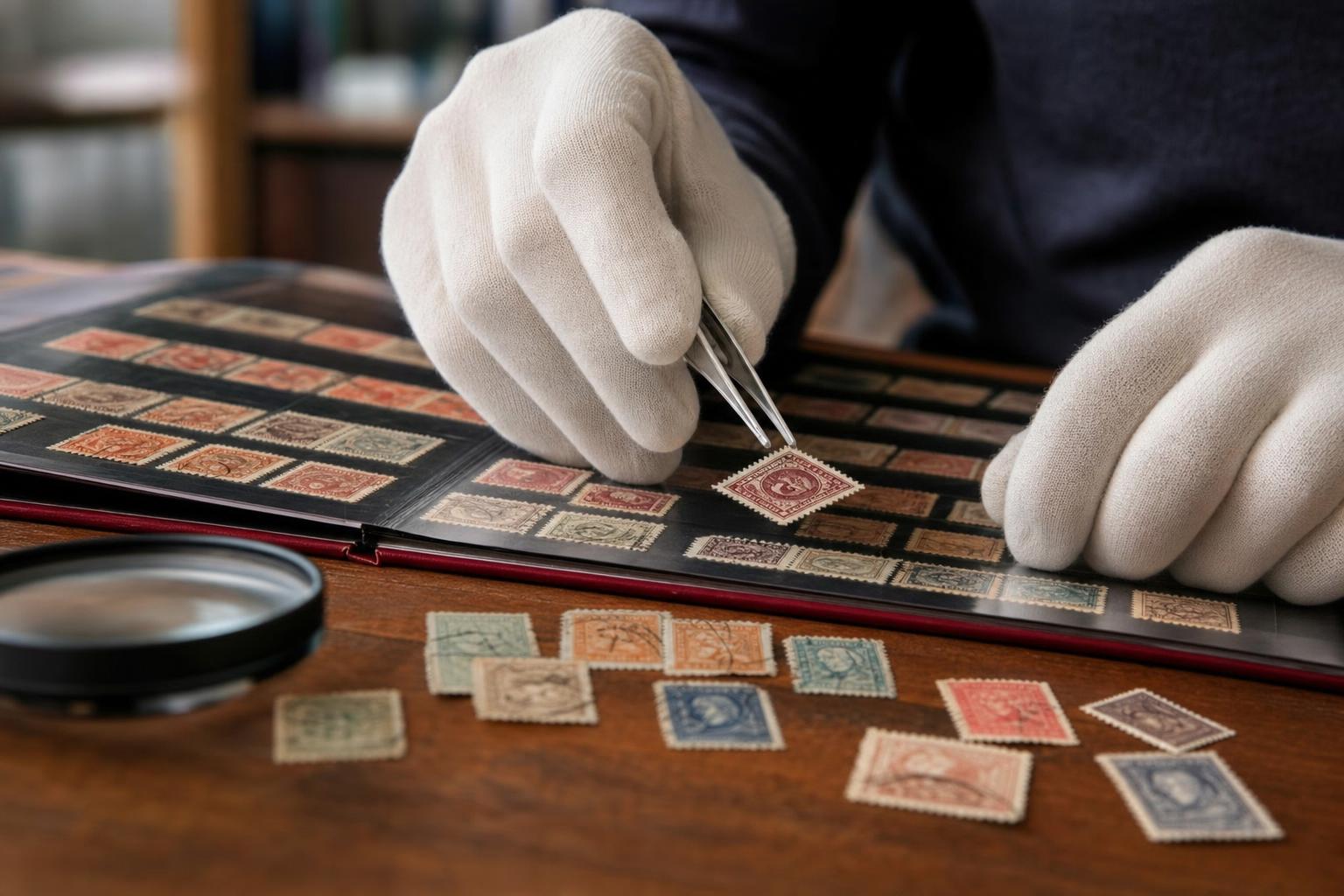
– Clean hands. Oils transfer from fingers easily. Use gloves if you want zero contact.
– Pick the right mount size. Slide the stamp gently into the pocket; don’t force it.
– Align with album layout. Leave a small margin so pages can turn without pressing the mount against the stamp.
– For removal, work slowly. Slide the stamp free rather than pulling it. If a mount is stuck to a page, loosen the mount from the album page rather than tugging the stamp.
If a mount sticks to a stamp outright, stop and consult a conservator. Heat or chemical solvents can damage both stamp and mount.
### Tools Worth Having
A few inexpensive tools make the job easier: stamp tongs (non-magnetic metal tweezers), a magnifier to check positioning, and a soft brush to dust album pages before mounting. These reduce the chance of trapping grit that could scratch the stamp inside the mount.
## When Hinges Stay The Better Option
Even with everything said, there are sensible reasons to hinge.
– Cost: Hinges are cheap. For low-value, common stamps it’s wasteful to buy mounts.
– Quick Assembly: If you’re building an album for rapid display or school projects, hinges are faster.
– Frequent Back Inspections: If you constantly check for watermarks or expert marks, hinges let you flip the stamp.
– Space Constraints: On crowded pages where mounts would bulge or add thickness, hinges keep things slim.
In other words, hinging still fits in a pragmatic collector’s toolbox. The decision isn’t about purity; it’s about context and priorities. This is where understanding mounting vs hinges becomes practical: choose based on value, condition, function, and storage.
## Common Mistakes Collectors Make
Collectors often make a few repeatable errors. One is using non-archival mounts because they’re cheap. That saves money now and creates headaches later when discoloration appears. Another is applying mounts or hinges to dirty stamps; trapped dirt grinds at the paper content over time. And many people assume all mounts are reversible; they’re not. Some mounts use adhesives to attach to the album page and those adhesives can become permanent.
Avoid these by testing a mount on a throwaway stamp, reading manufacturer notes, and buying from reputable philatelic supply houses.
### Dealing With Large or Fragile Items
For large commemorative issues, a single pocket mount can bow. Use a backing paper behind the page or choose more rigid mounts. Fragile or repaired stamps may need custom conservation-grade mounts or the attention of a conservator. Don’t improvise with self-adhesive laminates or tape—the damage will usually be irreparable.
## Balancing Aesthetics, Cost, And Collection Goals
Collectors who present stamps in exhibitions often favor mounts because they look cleaner and preserve condition. But private collectors who want their albums to feel “traditional” sometimes stick with hinges for a consistent look. There’s no single right aesthetic.
Think about your goals: resale, study, display, or family inheritance. If you plan to pass the collection down, lean toward mounts. If you’re assembling a casual reference collection, hinges will do the job.
mounting vs hinges is often framed as a moral choice in hobby forums, but it’s really practical. Know your priorities and pick the method that protects what matters most.
### Where To Buy And What To Avoid
Buy mounts from specialist dealers or trusted online stores. Avoid the cheapest goods on general marketplaces; they’re often PVC-based and will degrade. Also, watch out for mounts that claim “self-adhesive,” because those can attach to album pages and trap the stamp.
A local stamp club or a couple of conversations with experienced collectors will point you toward brands that have stood the test of time.
If you’re uncertain with a particularly valuable item, get a second opinion from a dealer or an experienced club member before making a choice. The wrong decision can be expensive and hard to reverse.
When To Use Stamp Mounts Instead Of Hinges? The short answer: whenever preserving original condition and avoiding adhesive contact are important. Do that and you’ll spare future headaches and keep options open for selling, showing, or further study. Keep your hands clean, use archival materials, and match the solution to the stamp’s needs.
Leave a Reply