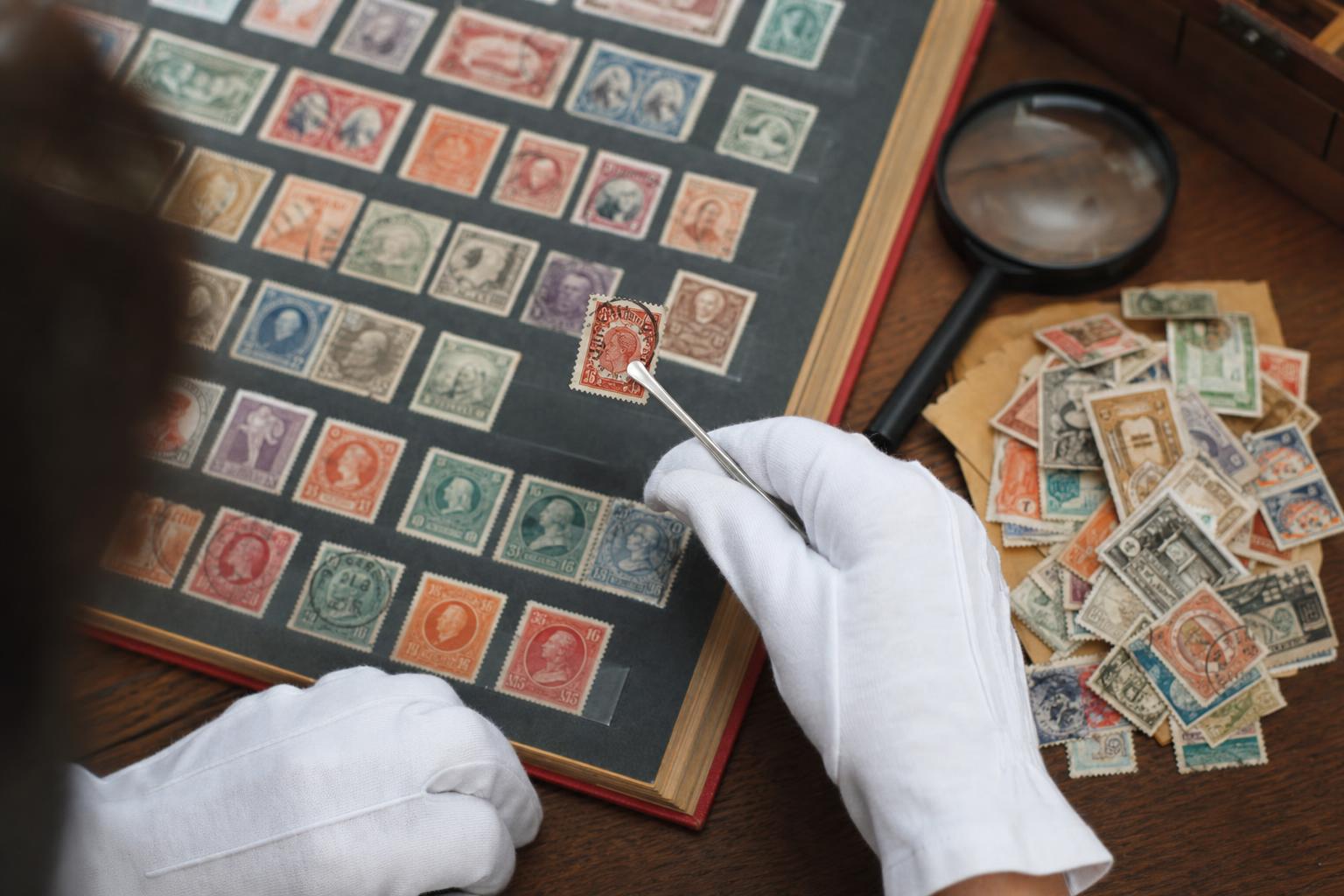
Don’t hand over cash for an appraisal until you’re satisfied with a few basic answers.
## What To Ask Before Paying For A Stamp Collection Appraisal: Essential Checks
An appraisal is only as useful as the person behind it. Knowing what to ask before paying for a stamp collection appraisal keeps you from buying opinions you can’t use. This isn’t about playing distrustful — it’s about getting a clear record, usable valuations, and avoiding scams.
### Who Is The Appraiser And Why Should You Trust Them?
Ask for credentials and real-world experience. Certificates from philatelic societies matter, but so does practical work: how many appraisals have they done for sellers, buyers, auctions? Can they show references or past appraisals (with owner names redacted)? If they’ve worked with auction houses or insurance companies, that’s a strong sign.
Ask about specialty areas. Some appraisers focus on U.S. classics, others on airmail, others on rare international issues. If your collection has a lot of 19th-century stamps, you want an appraiser who actually knows them, not someone who appraises a bit of everything.
### What Is The Purpose Of The Appraisal?
Be specific. Are you getting a value for sale, insurance replacement, donation, or estate tax? The number can change depending on purpose. Insurance replacement values are typically higher than auction estimates. Ask them to state the purpose on their report. That is one of the most basic appraisal questions and it will affect how you use the report later.
### How Do They Charge, And What’s Included?
Fees vary wildly. Some charge a flat fee, some a rate per stamp, some a percentage of insured value. Ask for a written fee quote and what it covers. Will they give you a written report, photographs, or condition notes? Can they provide a receipt or invoice? Make sure it’s clear whether travel or shipping is included.
If an appraiser says “we’ll take a cut when it sells,” be cautious. That can bias valuations. Ask whether the appraiser buys stamps or has any financial interest in sale venues. That’s one of the direct appraisal questions that protects you.
### How Will They Document Their Findings?
A usable report should include item descriptions, grade or condition notes, market rationale, and comparable sales. Ask whether the appraiser provides high-resolution photos and serial numbers or catalogue references. If you plan to insure the collection, insurers often require specific documentation. Ask for a sample report before you pay.
#### What To Expect In A Written Appraisal
A proper report lists items staged by lot or category, dates, grades, and the valuation method used. It should explain whether the value is current market, replacement, or liquidation. If a stamp has provenance or expertization certificates, that should be cited.
### How Recent Is Their Market Knowledge?
Stamp markets shift. Ask which price guides, auction archives, and databases they use. Good appraisers will cite recent comparable sales. If they only rely on old catalogue prices, that’s a red flag. Ask for examples: “Show me three recent auction sales that justify the value you’d give for a similar stamp.” Those are practical stamp appraisal questions that reveal their market access.
### What Happens If You Disagree With The Appraisal?
Disagreements happen. Ask about dispute procedures. Will they offer a second opinion or refer you to a neutral third party? Can they revise the report if new information appears, like a certificate from an expertizing service? Get this in writing.
### Can They Provide Authentication Or Expertizing?
Authenticity is everything. An appraisal that doesn’t address forgery risk is incomplete. Ask if they can refer or submit stamps to recognized expertizing committees. If the appraiser claims they can authenticate on sight, ask for their track record and any written guarantees. This is one of those appraisal questions people often forget until it’s too late.
### How Will They Handle Shipping And Security?
If you must mail stamps, ask about insured shipping, packaging standards, and chain-of-custody. Some appraisers will only work in person. Others will accept scans for a preliminary estimate but require the originals for a final report. Clarify timelines and liability for loss or damage. Don’t accept vague promises — write it down.
### What Conflicts Of Interest Should You Watch For?
Ask whether the appraiser sells stamps, consigns to auction houses, or works with dealers. If they do, find out how they separate appraisal work from sales. Some practices are common, but you need transparency. An appraiser who moonlights as a dealer might lowball values to buy, or inflate values to sell. That’s why clear answers to basic appraisal questions matter.
### Practical Tips For Preparing Your Collection
Label items clearly. Group stamps by country and period. Note any certificates you have. Photographs help for an initial discussion. Don’t try to inflate value with stories about provenance unless you can prove them. A brief inventory will save time and often money.
A small checklist to bring to the appointment: ID, ownership proof if requested, any prior certificates, and a notepad. Ask whether they can accomodate additional items if you find more after the first session. Also ask if you’ll get a reciept for the stamps left in their care.
### Red Flags That Mean Walk Away
If an appraiser pressures you for immediate payment, promises unrealistically high values, refuses to provide a written report, or avoids basic stamp appraisal questions, step back. If background checks show no verifiable work history or if references are evasive, go elsewhere. Trust is earned through transparent answers, not smooth talk.
### Final Practical Notes On Asking
Keep a record of the conversation. Write down names, dates, and the specific appraisal language used. When you compare appraisers, use the same basic set of what to ask before paying for a stamp collection appraisal so you can judge answers fairly. Repeat the key questions out loud during your appointment; it helps spot evasions.
If you want a second opinion, choose someone with a different background. A dealer’s view and an auction specialist’s view can differ. You don’t need permission to seek a second opinion. It’s smart.
Remember: good appraisals are trained, documented, and defensible. Asking the right stamp appraisal questions ahead of time saves headaches and can protect real value. Keep these appraisal questions handy when you set up the meeting. Your collection deserves more than a guess.
Leave a Reply