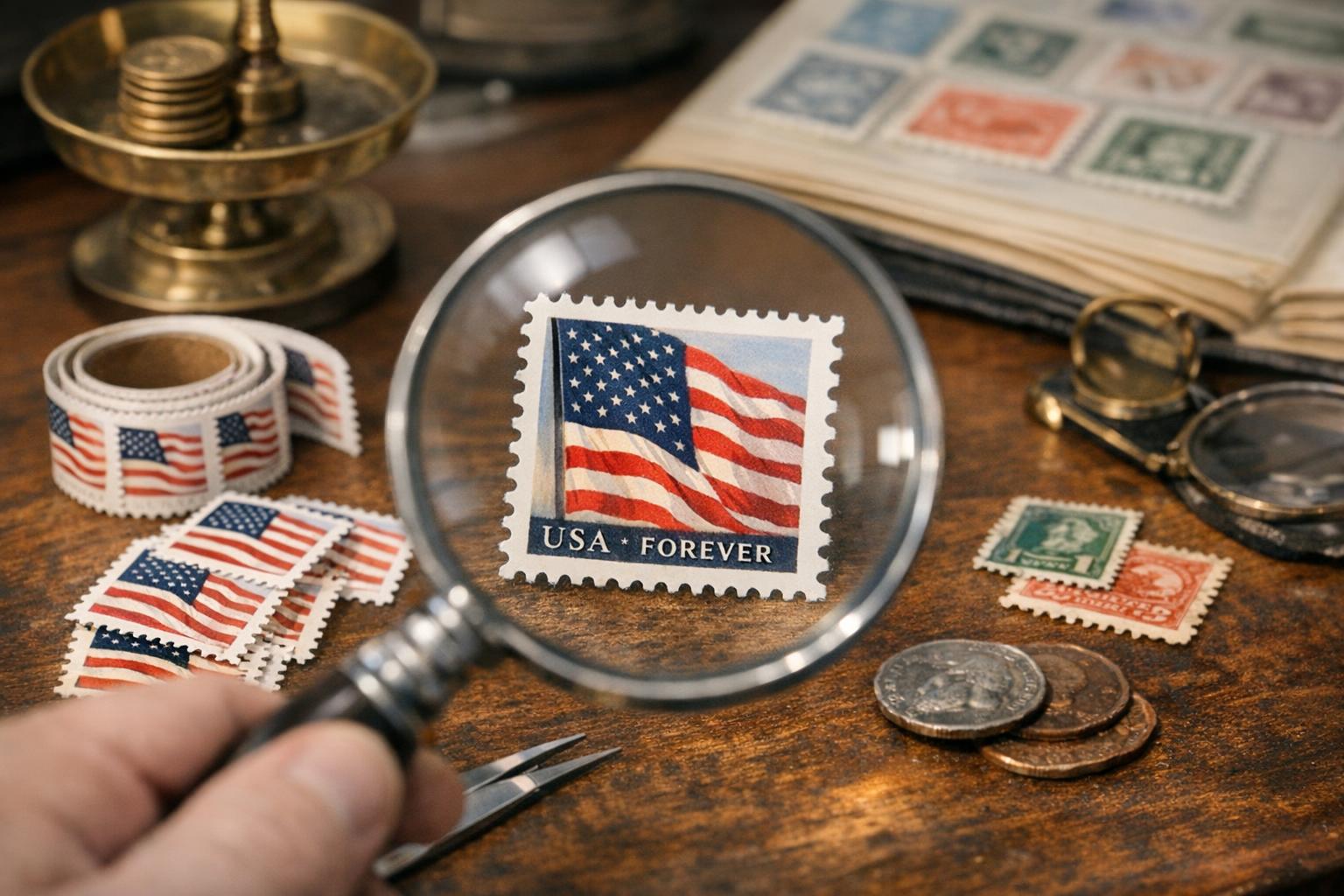
Most collectors eventually ask a practical question: do forever stamps increase in value over time, or are they simply functional pieces of mail currency? This guide explains how forever stamps work, what drives their market price, and what you can do to preserve and possibly improve their market worth.
## Do Forever Stamps Increase In Value? What Collectors Need To Know
The simple answer to do forever stamps increase in value is: usually no — at least not in the way rare classic stamps appreciate. Forever stamps are sold by postal services at a face-equivalent rate that remains valid despite future postage rate increases. That built-in stability makes them useful, but it also means the vast majority of forever stamps trade close to their face value unless special circumstances apply.
### How Forever Stamps Work
Forever stamps were introduced to provide a fixed postage payment for first-class mail, regardless of rate hikes after purchase. They are a contract with the postal authority: one stamp=one first-class letter, today and tomorrow. Because production is intentionally large to meet consumer demand, their inherent scarcity is low, which is a key reason why most collections of current-issue forever stamps do not experience significant financial appreciation.
### Factors That Affect Forever Stamp Value
Understanding what influences forever stamp value helps answer do forever stamps increase in value for specific items. The most relevant factors are:
#### Rarity And Production Numbers
Low production runs or limited editions create scarcity. Many forever stamps are printed in large quantities, but some issues (commemoratives, regional releases, or short-run prints) are produced in smaller numbers. Rarity can lift a stamp above its face value.
#### Errors, Varieties, And Special Printings
Printing errors, color shifts, misperforations, and plate varieties often interest specialists. A forever stamp with a genuine production error can be worth considerably more than its face value, but authenticated provenance and expertization are usually necessary to realize that premium.
#### Condition, Provenance, And Market Demand
As with all collectibles, condition (mint vs. used, gum intact, centering), provenance (well-documented ownership or exhibition history), and market demand drive price. A pristine, well-centered mint forever stamp from a sought-after issue can command higher prices among collectors, which is when do forever stamps increase in value in a meaningful way.
### Real-World Examples: When Forever Stamps Rose In Value
There are documented cases where specific forever stamps appreciated. Limited commemoratives released with small printings, special foil finishes, or stamps withdrawn early have moved above face value on secondary markets. Yet these exceptions are tied to the unique attributes noted above rather than the basic concept of a forever stamp. When evaluating whether do forever stamps increase in value in your collection, compare issue histories and auction records for similar items.
## Estimating Forever Stamp Value For Collectors
To estimate forever stamp value, consult several sources and weigh them against each other. Auction results, specialist catalogs, online marketplaces, and dealer price lists offer data points. Keep in mind that advertised prices can be aspirational; realized sale prices at auction or private sale are the most reliable indicators of market value.
### Tools And Resources For Valuation
Use these tools to form an accurate valuation:
– Stamp catalogs and specialty publications for recorded prices and historical context.
– Auction archives to see realized sale prices for comparable items.
– Expert dealers or philatelic societies for condition assessments and market insight.
– Online platforms to observe active listings and bid patterns.
## Preservation Remedy: How To Protect And Potentially Increase Your Stamp’s Value
For collectors wondering do forever stamps increase in value through preservation and proper handling, a disciplined approach can make a difference. Proper conservation does not guarantee appreciation, but it preserves the potential for price growth and prevents devaluation due to damage. The following formal remedy outlines the materials required and exact steps to protect and present stamps in collectible condition.
### Required Materials
– Stamp tongs (non-serrated, stainless steel)
– Acid-free stamp album or stockbook
– Glassine envelopes or archival mounts (polypropylene or polyester, not PVC)
– Soft, lint-free cotton gloves
– Distilled water, shallow dish, and blotting paper (for hinge-free removal)
– Drying board or absorbent paper with glass or plexiglass weight
– Magnifier (10x recommended)
– Humidity and temperature control (room with 40–60% relative humidity and stable 60–72°F/15–22°C)
– Archival storage boxes and silica gel packets for long-term storage
– Optional: professional grade album hinges for specialized mounting (used sparingly)
### Step-By-Step Preservation Procedure
1. Prepare The Environment: Work in a clean, dry area free from direct sunlight, food, and pets. Stabilize room humidity and temperature to avoid expansion and contraction that can damage gum and paper.
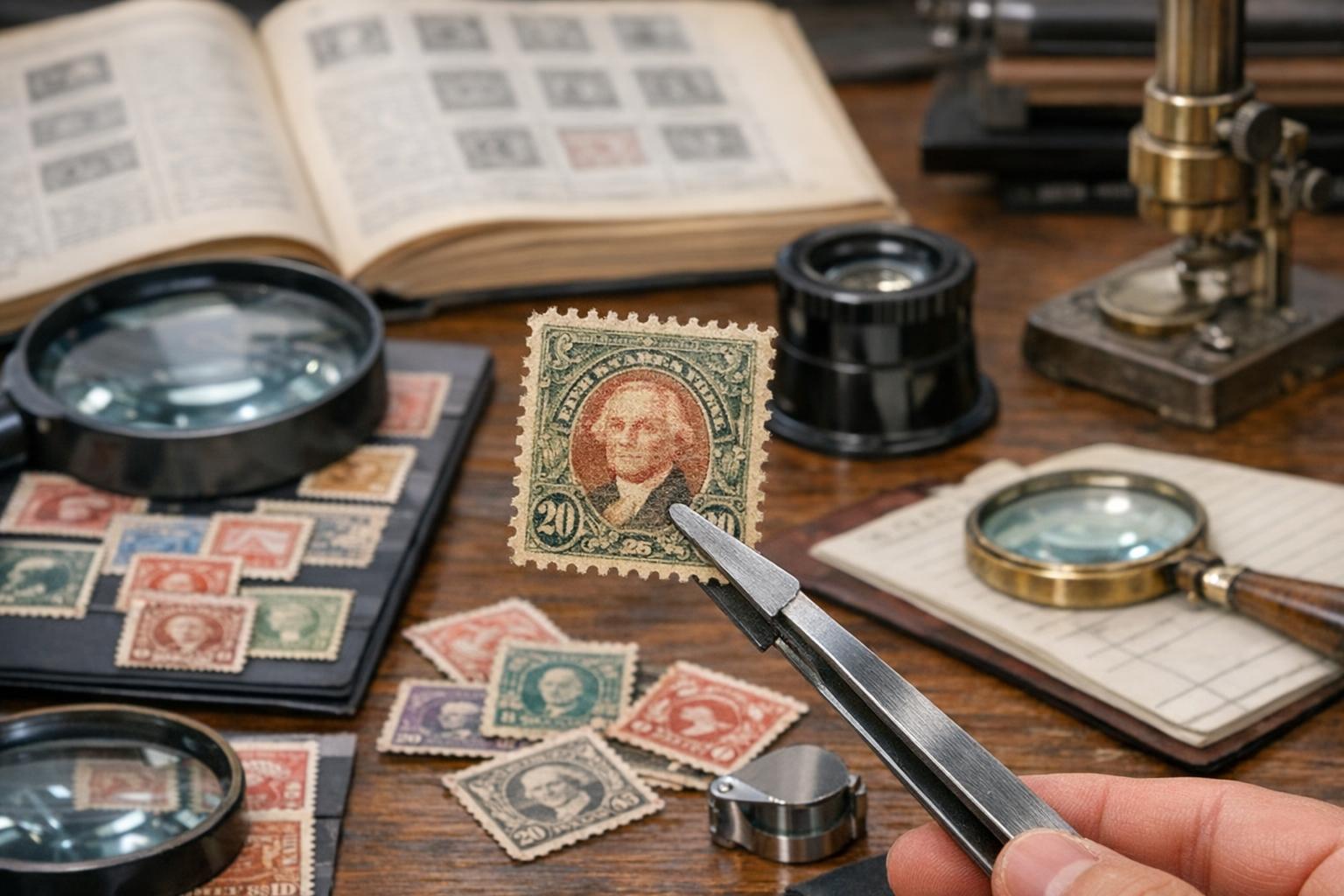
2. Wear Gloves And Use Tongs: Put on cotton gloves to avoid skin oils transferring to stamp surfaces. Handle stamps with tongs, gripping only the margins to prevent creasing or abrasion.
3. Assess Condition Carefully: Use a magnifier to check for thins, creases, tears, gum disturbances, or cancellations. Document condition with clear photographs and notes before any treatment.
4. Remove From Envelope (If Necessary): If a stamp must be removed from an envelope, use the cold soak method: place the stamp face-up in distilled water in a shallow dish until the stamp releases naturally from the paper. Avoid hot water and chemical solvents. Once separated, support the stamp with tongs.
5. Dry Gently: Transfer the stamp onto blotting paper or a drying board, face up, and cover with a sheet of glass or plexiglass to keep it flat while it dries. Change blotters if they become saturated. Ensure stamps dry fully before further handling.
6. Mount Using Archival Materials: Place dry stamps in archival mounts or glassine envelopes. If using an album, mount stamps in mounts that support both the stamp and the gum, preventing contact with adhesives that can harm the surface.
7. Store Properly: Keep albums in archival boxes with silica gel to control moisture. Store horizontally in a dark, cool space away from radiators and external walls to avoid dampness and mold risk.
8. Maintain Records: Keep an inventory with photos, issue numbers, any expertization certificates, and provenance. Good documentation enhances market trust and can improve realized value.
9. Regular Inspection: Check stored stamps periodically for signs of mold, insect damage, or gum disturbance. Address problems immediately with professional conservation if needed.
10. When In Doubt, Consult Experts: For valuable or potentially error-bearing items, seek professional expertization before any cleaning or alteration. Certificates from recognized philatelic authorities preserve buyer confidence and often increase marketability.
### When To Consult A Professional Appraiser
If you suspect significant rarity, a printing error, or otherwise exceptional attributes, engage an accredited appraiser or philatelic expert. Professional grading, expertization certificates, and auction consignments can materially affect whether do forever stamps increase in value for your particular items. Experts can also advise on optimal presentation and sale channels to maximize return while minimizing risk.
## Practical Considerations For Collectors And Investors
Buying and holding forever stamps solely as an investment requires caution. High inventory, evolving postal policies, and the unpredictability of collector tastes mean that most forever stamps will not appreciate substantially. However, disciplined collecting — focusing on limited issues, errors, superb condition, and documented provenance — increases the chance that do forever stamps increase in value for items you choose to keep or sell.
Throughout the collection lifecycle, prioritize preservation and careful documentation. That approach maintains the forever stamp value that your collection currently holds and preserves upside if market interest in a specific issue grows.
Leave a Reply