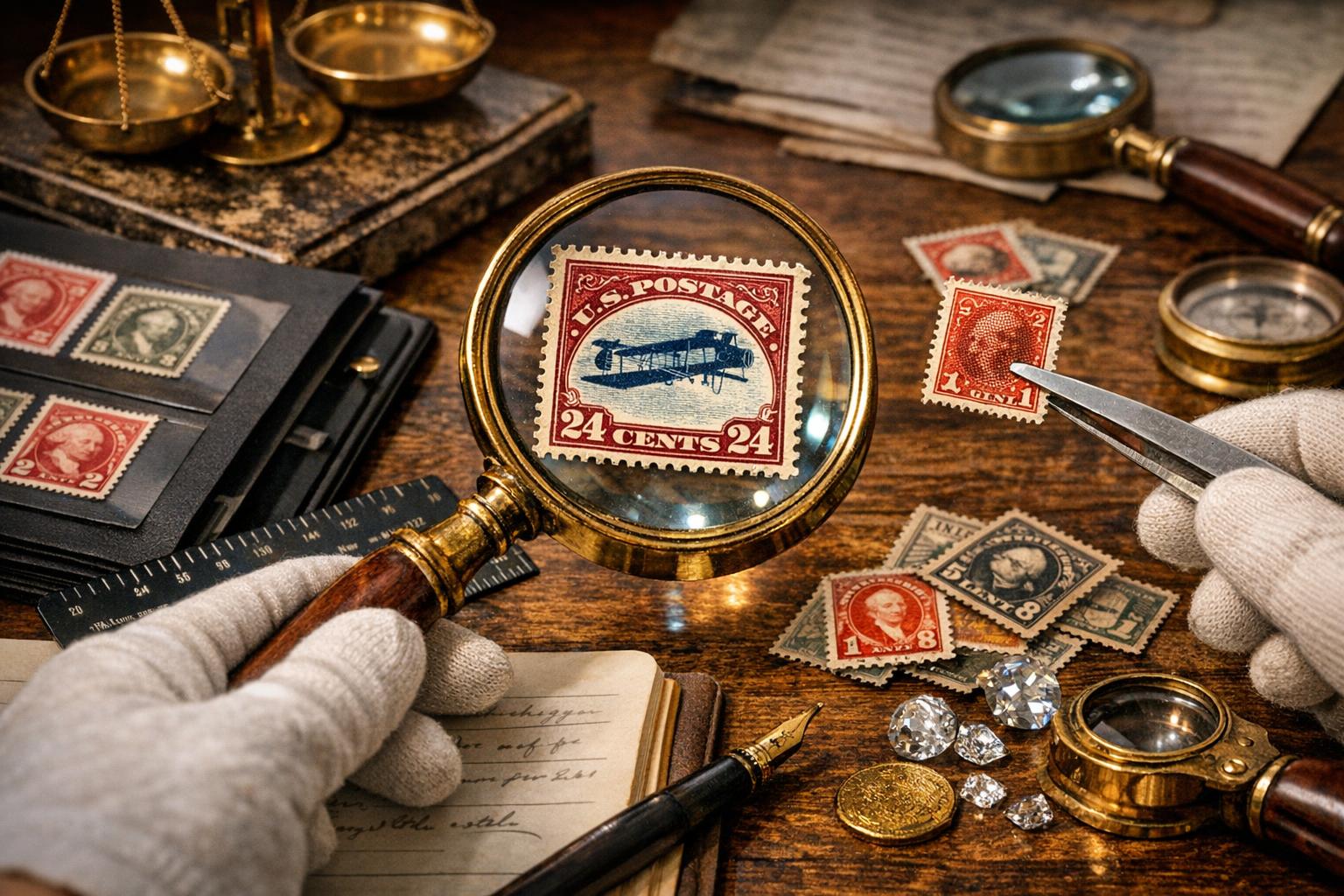
## How To Tell If A Stamp Is Valuable
You might think that a faded rectangle from grandma’s attic is just junk — but stop right there. The truth is explosive: a single stamp can be worth more than a car. If you want to know how to tell if a stamp is valuable, prepare to have your notions shattered. The clues are microscopic, counterintuitive, and sometimes downright sneaky. Read on to uncover the signs that can transform everyday postage into a treasure trove.
## Shocking Signs That Your Envelope Hides Treasure
Collectors and dealers whisper about stamps that make hearts race. When asking how to tell if a stamp is valuable, look for anomalies. A tiny flaw, an odd color shift, or an obscure cancellation from a distant colony can turn paper into gold. These aren’t just pretty stories — they’re the real mechanics of rarity and demand that make the market roar.
### The Rarity Red Flags
Rarity is the single most sensational driver of value. Here’s what screams “rare”:
– Limited print runs or issue withdrawals.
– Early production errors like inverted centers or missing colors.
– Overprints that were applied in haste or for emergency use.
When you’re trying to figure out how to tell if a stamp is valuable, rarity should be your first radar. But rarity alone isn’t enough — condition, provenance, and market interest complete the picture.
### Visual Clues Collectors Crave
Eyes are your first and best tool. High-value stamps often show:
– Brilliant, original color with minimal fading.
– Sharp, undamaged perforations and intact gum on unused stamps.
– Clear, well-centered design — centering can account for dramatic price differences.
These visual cues feed into formal stamp identification processes and help you decide whether to pursue professional verification.
#### Watermarks, Perforations, And Paper Types
Watermarks are hidden patterns in the paper. A watermark that matches a scarce printing can flip a stamp’s status overnight. Perforation measurements (the number of holes per 2 centimeters) are another precise trait; two visually similar stamps can have different perforations and wildly different values. Paper type — wove, laid, or colored — also matters. These are the physical signatures that underpin accurate stamp identification.
#### Color Variations And Plate Flaws
Color shifts caused by different inks, paper reactions, or printing accidents are hot-ticket features. Plate flaws — tiny defects on a printing plate that repeat across a sheet — are like fingerprints: they help trace a stamp back to a specific plate and printing run. Finding a known plate flaw on your piece can be the defining evidence when exploring how to tell if a stamp is valuable.
## Practical Stamp Testing: Formal Steps To Confirm Value (Remedy 1)
Now for the methodical part. If the drama convinced you to investigate, follow this formal, repeatable process. This is not guesswork — it is a practical “remedy” to assess authenticity and estimate stamp worth.
### Materials Required
– A bright, natural light source or daylight lamp.
– A loupe or magnifying glass (10x recommended).
– A perforation gauge (or printable gauge).
– A watermark detector tray or fluid (only if you know how to use it safely).
– Non-metal tweezers (stamp tongs).
– A soft, clean blotter or stamp album page.
– Access to a current stamp catalog (Scott, Stanley Gibbons, Michel) or reputable online database.
### Step-By-Step Procedure
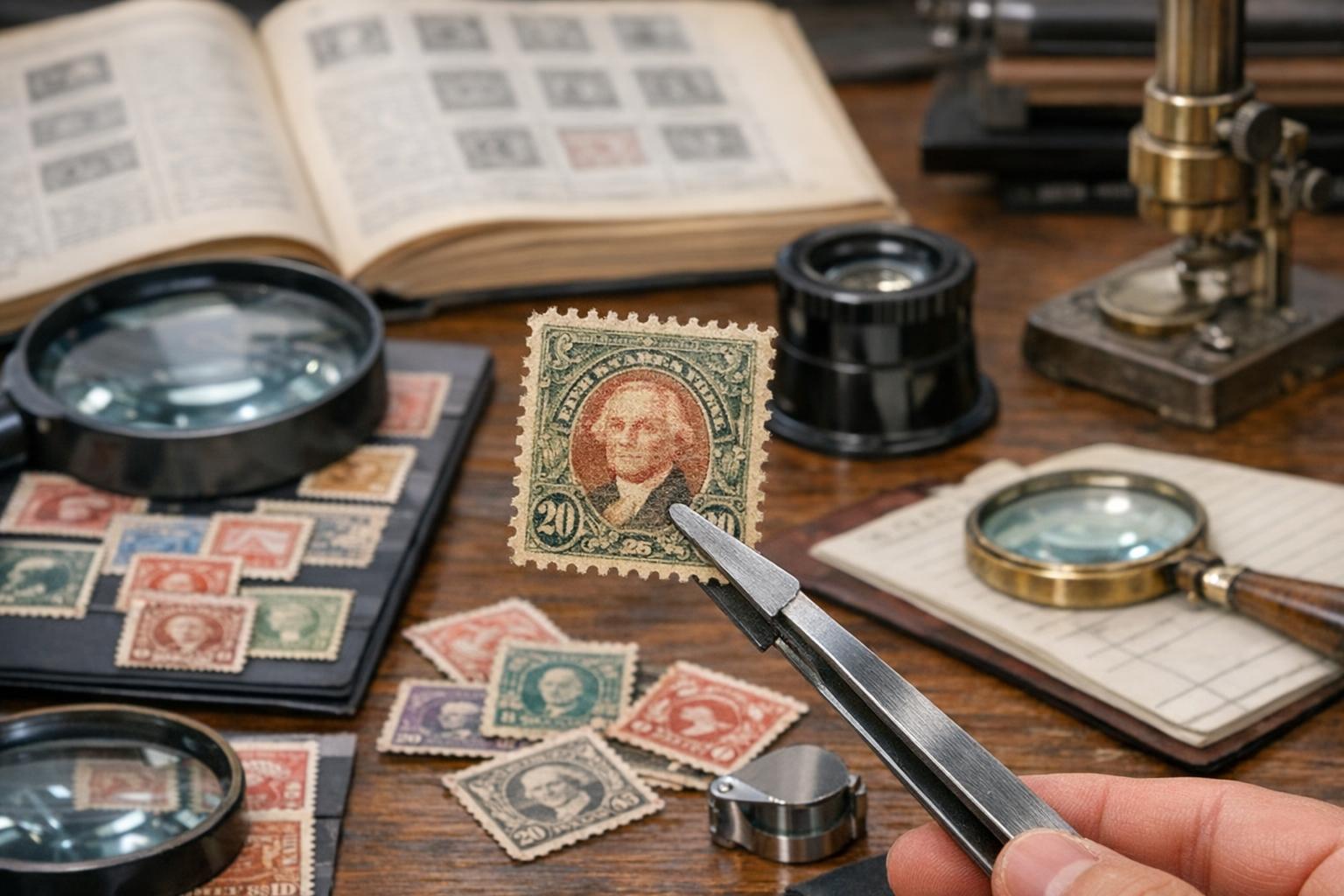
1. Handle Carefully: Use stamp tongs to prevent oil transfer from fingers. Lay the stamp face up on a clean, flat surface under bright light.
2. Visual Inspection: With the loupe, examine the design for plate flaws, re-entries, or printing anomalies. Check for color consistency and toner pooling.
3. Perforation Measurement: Use the perforation gauge to record the stamp’s perforation measurement. Note if it matches known issues or printings.
4. Check the Back: Gently lift the stamp if necessary to inspect the gum (for mint stamps) or hinge remains. Look for thins, creases, or repairs.
5. Watermark Test: If safe and necessary, use watermark fluid on a watermark tray. Record the watermark pattern and orientation without rubbing or excessive handling.
6. Compare With References: Consult a current catalog or trusted online resource and use the traits you recorded (year, perforation, watermark, plate flaw) to narrow down identification.
7. Condition Grading: Assign a condition grade (mint never hinged, mint hinged, fine, very fine, etc.) based on centering, gum condition, and any faults.
8. Price Cross-Check: Use catalog listings as ballpark estimates but cross-reference with recent auction results for actual realizations. Catalog values are guides; market prices reflect demand.
9. Professional Opinion: For potentially high-value items, seek an expert certificate from a recognized philatelic expertizing service. This is critical before selling.
Follow these steps methodically, and you will have a defensible assessment of stamp worth and authenticity. This structured remedy reduces emotional bias and provides documentation that buyers and auction houses require.
## Where To Get Expert Confirmation And Sell Safely
When you’ve done your homework and still feel that shiver of possibility, it’s time to find experts. Accurate stamp identification and authentication are the keystones of realizing real value.
### Using Catalogs, Online Resources, And Experts
Start with reputable catalogs and databases for initial stamp identification. Online auction archives and dealer inventories show real market prices, not theoretical catalog numbers. For high-stakes pieces, contact recognized expertizing committees — they issue certificates that significantly affect a stamp’s marketability and price. Document provenance, previous sales, and any certificates when preparing to list or consign.
### Avoiding Scams When Determining Stamp Worth
Beware of get-rich-quick buyers and online fence companies offering immediate payouts. Always demand verifiable references, transparent fee structures, and the right to consult an independent expert. If you suspect fraud, walk away. Real collectors and institutions will want to see your documentation, and reputable auction houses will not pressure you into a quick sale.
## Hidden Secrets Dealers Don’t Shout About
Dealers often respect a code: never reveal every market driver. Some lesser-known but explosive secrets include:
– Postal errors and trial printings can be miscataloged and overlooked by casual collectors.
– Regional postal history (rare postmarks or local rates) sometimes eclipses the stamp itself in value.
– Provenance from an illustrious collection or an old exhibition sheet exponentially increases desirability.
If you’re trying to master how to tell if a stamp is valuable, remember that knowledge of postal history and market psychology is just as potent as physical inspection.
### When To Get A Certificate And When Not To
A certificate can make or break a sale for stamps above a certain threshold. For low-value items, certification costs more than the stamp’s value; for high-value items, lack of certification can dramatically lower liquidity and price. Use your catalog and price research to determine if spending on certification makes economic sense.
### Final Pointers On Presentation And Salesmanship
Presentation matters. Mount stamps properly in archival sleeves, provide all documentation, and photograph high-resolution images showing any flaws or special features. When describing your stamp in listings, include precise terms drawn from your stamp identification work — year, catalog number, perforation, watermark, and condition grade. Clear, honest descriptions build trust and often attract serious buyers quickly.
If you followed the signs and used the formal testing steps above, you’ll be well on your way to knowing how to tell if a stamp is valuable — and how to act on that knowledge to maximize stamp worth.
Leave a Reply