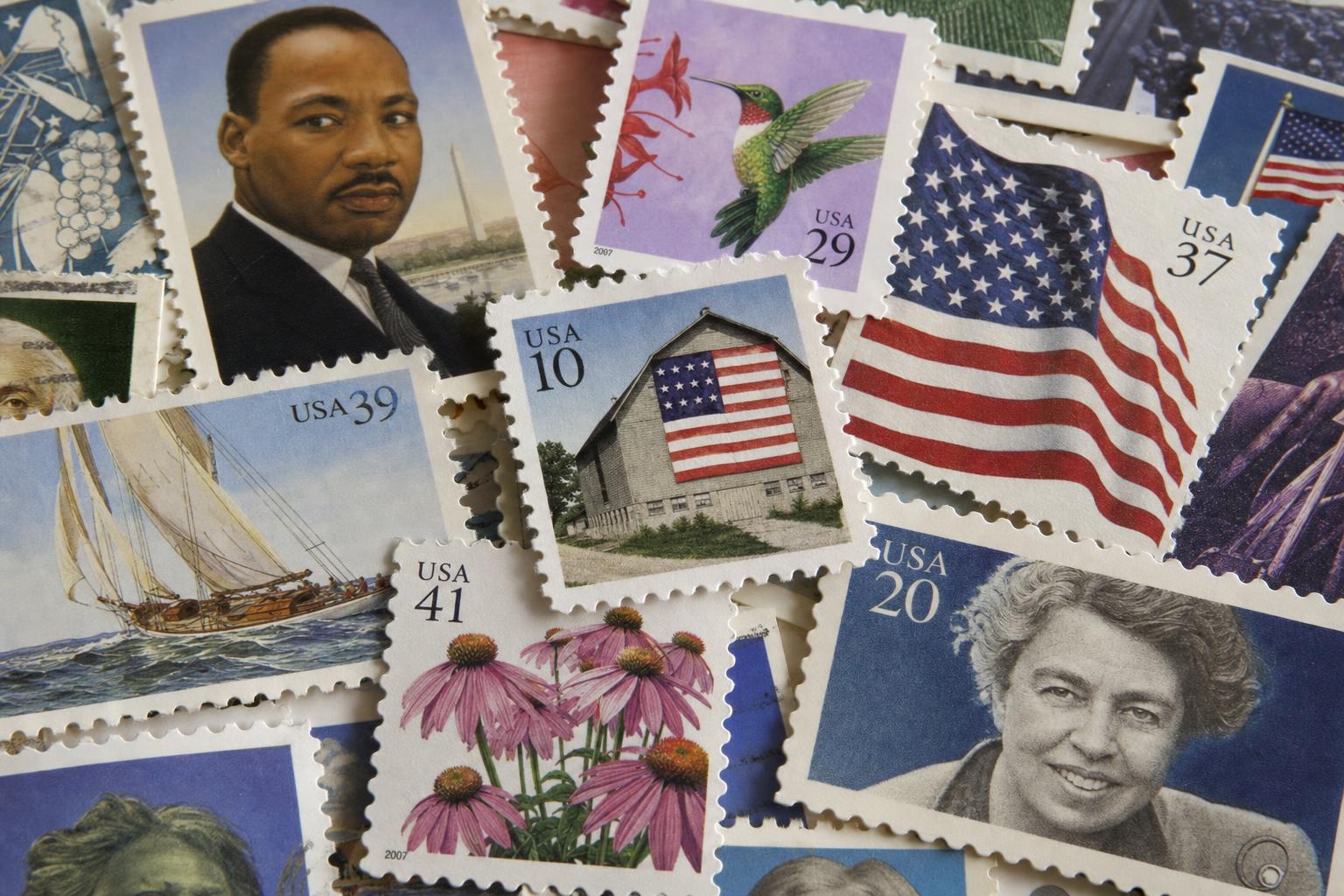
## How USPS Stamp Subject Selection Criteria Works
If you’ve ever wondered why certain people, events, or objects end up on a postage stamp and others don’t, it comes down to a specific process. The usps stamp subject selection criteria guides every choice from the initial suggestion to the final approval. It’s not random. There’s a committee, deadlines, rules about living people, and a preference for subjects that connect with a broad public.
### Who Decides And How To Send A Suggestion
The Citizens’ Stamp Advisory Committee reviews suggestions from the public. Anyone can nominate stamp subjects. You can mail suggestions or submit them online, but timing matters. There are windows for certain themes and the committee plans several years in advance. If you want a proposal to be taken seriously, learn the usps stamp subject selection criteria first so your pitch fits the program’s expectations.
### Core Elements Of The Selection Process
The committee looks for several things at once. Historical importance matters. Cultural impact matters. Visual appeal on a tiny piece of paper matters too. Those three criteria alone explain why some topics show up again and again and why others never do.
– Historical Significance: Events that changed the country, notable firsts, or achievements that reshaped a field.
– Cultural Relevance: Figures or themes that resonate with large parts of the population.
– Visual Potential: Strong images that communicate at a glance when reduced to stamp size.
This mix is what people mean when they ask about stamp subject criteria. It’s practical and a little picky.
### What Makes A Competitive Nomination
You need specifics. Don’t say “famous artist.” Say which work, why it matters now, and propose a compelling image. The committee favors nominations backed by documentation. Include dates, links to reliable sources, and examples of imagery that would work at scale. If your nominee is a living person, remember the rules are strict and often limit inclusion to those of widely recognized national stature.
### Why Living People Rarely Appear
For years, the USPS avoided living persons entirely. That policy relaxed some, but including living figures still faces high bars. Political neutrality is important. The committee avoids recent controversies and partisan flashpoints. It looks for stable contributions that have stood the test of time. If a living person is under consideration, they usually have long-standing, widely recognized achievements.
### Cultural And Community Themes
Stamp subjects can be celebrations of communities, traditions, and movements. Think of stamps that highlight music genres, festivals, or traditional crafts. These themes often succeed because they combine visual interest with broader cultural relevance. The committee seeks subjects that speak to many people at once, not to a narrow fandom.
#### Representation And Diversity Considerations
The USPS tries to reflect the nation’s diversity. That means the committee now spends time identifying gaps in who and what gets represented. Yet prioritizing diversity doesn’t mean token choices. The same rigorous usps stamp subject selection criteria apply: historical importance, public recognition, and visual potential.
### Design And Artistic Input
Even after a subject is approved, the process continues. Designers and artists are selected to interpret the subject. The outcome must work at postage scale. That constrains color, detail, and layout in ways people don’t always expect. A subject with strong visual icons tends to fare better because designers can create a clear, appealing image quickly.
### Legal And Trademark Issues
You can’t just pick a corporate logo or a trademarked character without permissions. Rights and permissions matter a lot for stamp subjects. If you nominate a product or branded item, expect legal checks. Music and film subjects bring layers of rights management that can slow or block a project entirely.
### Timing And Anniversary Windows
Commemorative stamps often tie to anniversaries. That’s both an advantage and a trap. If your nominee’s important date falls within the committee’s planning horizon, the nomination can be scheduled. But if the anniversary is too far ahead or too close, it might be postponed. The usps stamp subject selection criteria include timing as a practical filter.
### How To Improve Your Chances
Provide a visual or two, document the person’s or event’s impact, and explain why this matters now. Avoid niche topics unless you can show wider relevance. If you’re pushing a local hero, place them in a national context. Explain connections to broader movements, milestones, or cultural shifts. That’s the difference between a petition that gets polite attention and one that leads to a stamp.
### Common Misconceptions About The Process
People assume the most popular online petitions win. Not true. The committee is smaller, and decisions hinge on several non-public discussions. Public sentiment helps but doesn’t decide. Another myth is that fame alone guarantees a stamp. Popularity helps, but the committee favors enduring contributions. I once saw a campaign for a viral actor; it had millions of signatures. It still faltered on the stamp subject criteria because the person’s legacy hadn’t settled.
#### Where To Find Official Guidance
The USPS site publishes guidelines and the Citizens’ Stamp Advisory Committee posts annual reports and policies. Read those documents to understand deadlines and the kinds of backup material expected. If you’re serious about a nomination, use the official forms and include a clear, concise argument tied to the committee’s stated priorities.
### Examples That Clarify The Criteria
Look at stamps honoring civil rights leaders, pioneering scientists, and folk artists. The common thread is clarity of contribution and visual identity. A scientist’s portrait plus an iconic experiment image, for instance, translates well to a stamp. A movement is often represented by a single emblematic scene. These examples show how the stamp subject criteria operate in practice.
### Final Thoughts On Making A Submission
Be patient. The committee plans years ahead. Be factual and crisp. Offer images that inspire a designer. Think nationally, not just locally. If your submission meets the usps stamp subject selection criteria and you’ve made a persuasive case, you might see it printed and recieving applause from collectors and regular mail users alike.
Leave a Reply