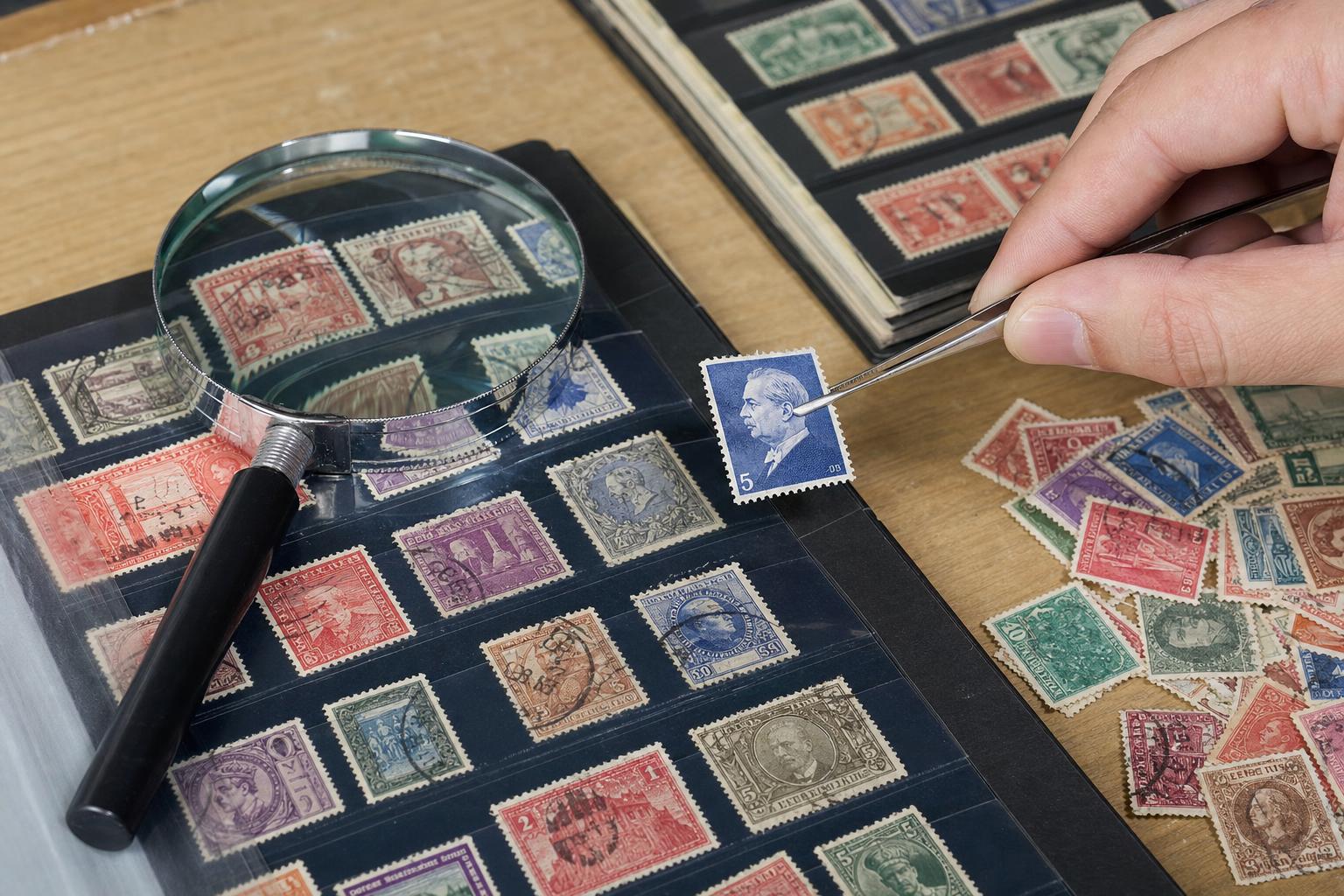
You can turn a shoebox of old postage into real cash if you pick the right place to sell. Stamps look small, but the market is picky: condition, rarity, provenance, and where you list them all change dollar signs into much bigger dollar signs — or nothing at all.
## Where To Sell Us Stamps Online: Platforms That Pay
Pick the wrong marketplace and you’ll waste time and pay fees for nothing. Pick the right one and you’ll reach serious collectors who know what they’re buying. Here’s how to think through options and where to list for the best chance of profit.
### eBay: The Default Big-Exposure Option
eBay is where most casual sellers start, and for good reason. It has massive traffic, a familiar listing flow, and buyers across the globe. If you decide to sell stamps online, eBay gives you easy tools for photos, descriptions, and set-your-price or auction-style listings.
– What works: Mid-range common issues, thematic sets, and nice singles. Use auctions for a single scarce item — competition often pushes price up.
– What to watch: Fees (insertion and final value), shipping disputes, and buyers who expect low prices on imperfect items.
– Photo tips: Use macro shots. Show hinges, perforation detail, and any thinning. Buyers will zoom; blurry pics kill trust.
### Specialized Stamp Marketplaces: Collectors First
Sites like HipStamp, StampAuctionNetwork, Delcampe and the APS classifieds focus on enthusiasts. If you want to sell stamps online and you aren’t sure where to start, these sites move more serious material and usually attract buyers who understand condition terms.
– HipStamp: Good for singles and small lots. Seller fees are reasonable and the audience is specific.
– StampAuctionNetwork and dealer consignment: Better for high-value items, covers, and rare blocks. Auctions here tend to pull in collectors willing to pay near-catalog prices.
– Delcampe: Popular with European collectors; useful if you’re selling material with broader international appeal.
### Dedicated Auction Houses For High-End Material
When you have something genuinely rare — genuine plate blocks, proofs, or something that might be catalog-top tier — professional auction houses are the route. Think Cherrystone, Robert A. Siegel, or Spink. They’ll provide cataloging, marketing, and expert handling.
Expect consignment fees and minimum reserves, but also expect to reach a small group of very wealthy buyers. Don’t send a long-forgotten 1980s commemorative expecting a miracle here; auction houses are choosy.
## How To Evaluate Buyers And Fees
Where to sell us stamps online depends on the math. Fees eat your margin, and the wrong payment setup can cost you. Always run the numbers.
### Fee Types You’ll See
Marketplace fees: insertion, final value, listing upgrades. Auction houses: commission, insurance, photographic fees. Payment fees: PayPal or Stripe take a cut. Shipping and insurance: factor in the real cost to pack tiny items safely.
If you list multiple small lots, packaging costs will add up. Consider grouping similar stamps to make shipping profitable. A single $5 stamp is less worth selling online than a small bundle worth $50.
### Buyer Quality Matters
High-traffic marketplaces bring quantity but a wider range of buyers. Specialized platforms bring fewer bidders but more knowledgeable ones. For lower-value or common material, reach more buyers. For rare issues, choose niche markets or pro auctions.
## How To Value Stamps Before You List
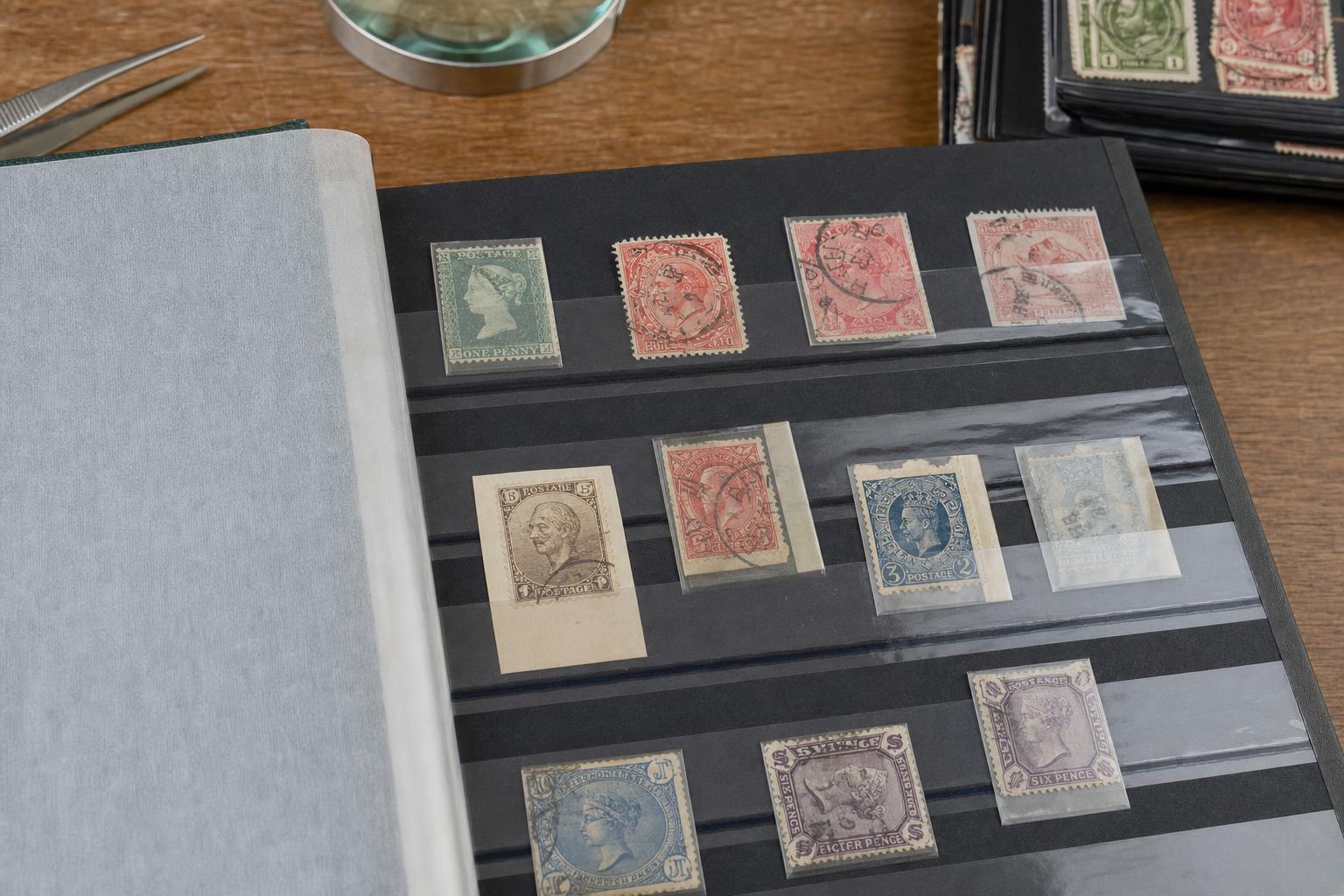
Catalog values (Scott for US collectors) are a starting point, not an invoice. Condition modifies those numbers drastically. A stamp with perfect centering and original gum is worth significantly more than the same design with a hinge remnant or poor centering.
### Checklist For Valuation
– Centering and perforations
– Gum condition (unused vs hinged)
– Cancel type and placement on used stamps
– Thins, creases, tears, or repairs
– Rarity indicators: printing errors, short-run issues, or plate flaws
If you’re unsure, get a second opinion. Local dealers and online forums can help. Pay attention to realized prices on similar listings rather than catalog values; that’s the actual market.
## Listing That Sells: Photos, Titles, And Descriptions
Good listings get attention and legitimate bids. Bad listings trigger questions and returns. Here’s how to avoid both.
### Photograph Everything
Buyers want to see flaws. Use natural light, a plain background, and at least four angles: front, back, close-up of perforations, and any fault. Avoid heavy editing. Show scale — a ruler or a stamp mount in the frame helps.
I’ll say it bluntly: buyers will not forgive vague photos. Blurry images make people assume the worst. Take the extra five minutes; it pays.
### Titles That Pull The Right Buyer
Use clear, searchable titles. Don’t be clever. Put the issue name, year if known, Scott number if you have it, and key condition notes. For example: “1923 US Airmail #C3 Inverted Center, Used, Tight Perfs.” That’s better than “Cool Old Stamp!” and it attracts collectors.
Search engines and site internal search prefer precise phrasing. If you want to rank for where to sell us stamps online questions, also use practical words buyers will type.
### Honest Descriptions
List any faults. Mention gum condition, hinged status, thins, or repairs. If a stamp has provenance (came from a notable collection), mention it. If you’re unsure about something, say so and offer return options. Trust builds sales.
## Packaging, Shipping, And Fraud Prevention
Small items are easy to lose in transit if not packed right. Use stiff card backing, a plastic sleeve, and bubble mailers. For higher-value items, double box and add insurance.
Record tracking for all shipments. Require signature on high-value sales. That secures you against false claims. Be wary of buyers asking for alternate payment methods — wire transfers from unfamiliar buyers are a red flag.
### International Sales
Selling us stamps online abroad increases demand but introduces customs and VAT complexity. Know the rules: stamp collecting is generally low-risk for customs, but return shipping and buyer disputes can get messy. Offer combined shipping and disclose potential customs delays.
## When To Use A Dealer Or Consignment
If you don’t want the hassle of individual listings, dealers and consignment can be a good route. Dealers buy outright (lower price) or sell on consignment (you get a cut when sold).
A dealer will: quickly assess, often provide an immediate offer, and handle marketing. Consignment with an auction house or major online dealer typically returns more, but you may wait months and pay fees.
Consider consignment for bulk or high-value lots. For mixed common items, selling them as lots to a dealer can be faster and less time-consuming.
## Niche Strategies That Often Fly Under The Radar
Not every buyer is on the big platforms. Here are less obvious spots to move material.
### Social Media And Specialty Forums
Facebook groups, Reddit communities (like r/philately), and collector forums are places where you can reach enthusiastic buyers directly. The audience is smaller, but negotiation can be quicker and fees are non-existent. Use these for specific issues or thematic stamps.
### Thematic Marketplaces
If your stamps fit a theme — birds, space, presidents — look for thematic groups or Etsy if you’ve crafted sets or framed items. The buyers here want a particular look or story, and they’ll pay for a well-presented set.
### Local Options
Don’t forget local stamp clubs and shows. Shows often have a large crowd on the first day, and dealers attend ready to buy. If you have a shoebox of mixed US issues, a show might be the fastest way to clear it.
## Pricing Tactics That Work
There’s psychology in pricing. Look at recent sales for similar items, set reserves if using auctions, and use buy-it-now for instant sales with a sensible price.
If you want to move lots fast, bundle and price competitively. If you’re testing the market for a rare item, start with an auction and a low opening bid to stimulate interest. Buyers respond to perceived competition.
## Photos And Scanning Workflow That Saves Time
Set up a mini studio: daylight lamp, tripod, and a neutral background. For lots, use a scanner for flat images and label each scan quickly. Batch-editing software can crop, sharpen, and clean backgrounds without excessive retouching.
Label files logically: “Scott375_Front.jpg,” “Scott375_Back.jpg.” Buyers appreciate organized listings. It makes you look professional and helps avoid returns.
## Avoiding Common Mistakes Sellers Make
– Overpricing based on catalog values alone. Catalogs show ideal conditions, not real market prices.
– Hiding flaws. Hidden problems surface and become disputes.
– Shipping cheaply. Bad packaging equals lost items and angry buyers.
– Ignoring questions. Fast, clear responses close sales.
If you’re new, sell a few items to learn the workflow before listing the really valuable pieces. That helps refine your photography, descriptions, and shipping practice without risking big losses.
### Tools And Resources Worth Bookmarking
– Scott Catalog (subscription or print): valuation starting point.
– Completed listings search on major marketplaces: see what similar items actually sold for.
– APS and local club listings: community advice and local show dates.
– Shipping calculators: to avoid undercharging buyers.
## Negotiating With Buyers And Dealers
Expect offers and counteroffers. Know your minimum acceptable price and stick to it. If you recieve a low-ball offer for a rare item, don’t respond with emotion. Counter or politely decline. With dealers, be ready to walk away; dealers often try to push lower.
If a buyer wants a discount in exchange for immediate payment, weigh it against market exposure. Immediate cash is sometimes worth a small discount, but don’t accept a wholesale price for something that could net much more online.
## Where To List Based On What You Have
– Single Common Issues: eBay or HipStamp.
– Thematic Sets: Etsy or Facebook collector groups.
– Mixed Shoeboxes: Local dealers or stamp shows.
– Rare Singles, Blocks, or Covers: Professional auction houses or specialist auctions.
– Bulk Low-Value Lots: Lot sales to dealers or Craigslist/Marketplace for local pickup.
No single answer fits every case. The question where to sell us stamps online has multiple correct responses depending on scale, rarity, and how much time you want to spend. If you want the extra edge, catalogue your lot, take sharp photos, and list where the buyers are congregating. It sounds obvious, but the details are what convert a casual listing into a profitable sale.
Keep moving. Even a small, neglected collection can turn into a payday if you match the right platform with the right approach. Teh difference between a $20 listing and a $200 sale is usually two good photos and the right marketplace. If you’re nervous, try a single item on multiple platforms over time to see where your niche buyers hang out — it’ll teach you faster than any guide. And when in doubt, get a second opinion from a reputable dealer; their buy price will give you a reality check you’ll definatly appreciate.
Leave a Reply