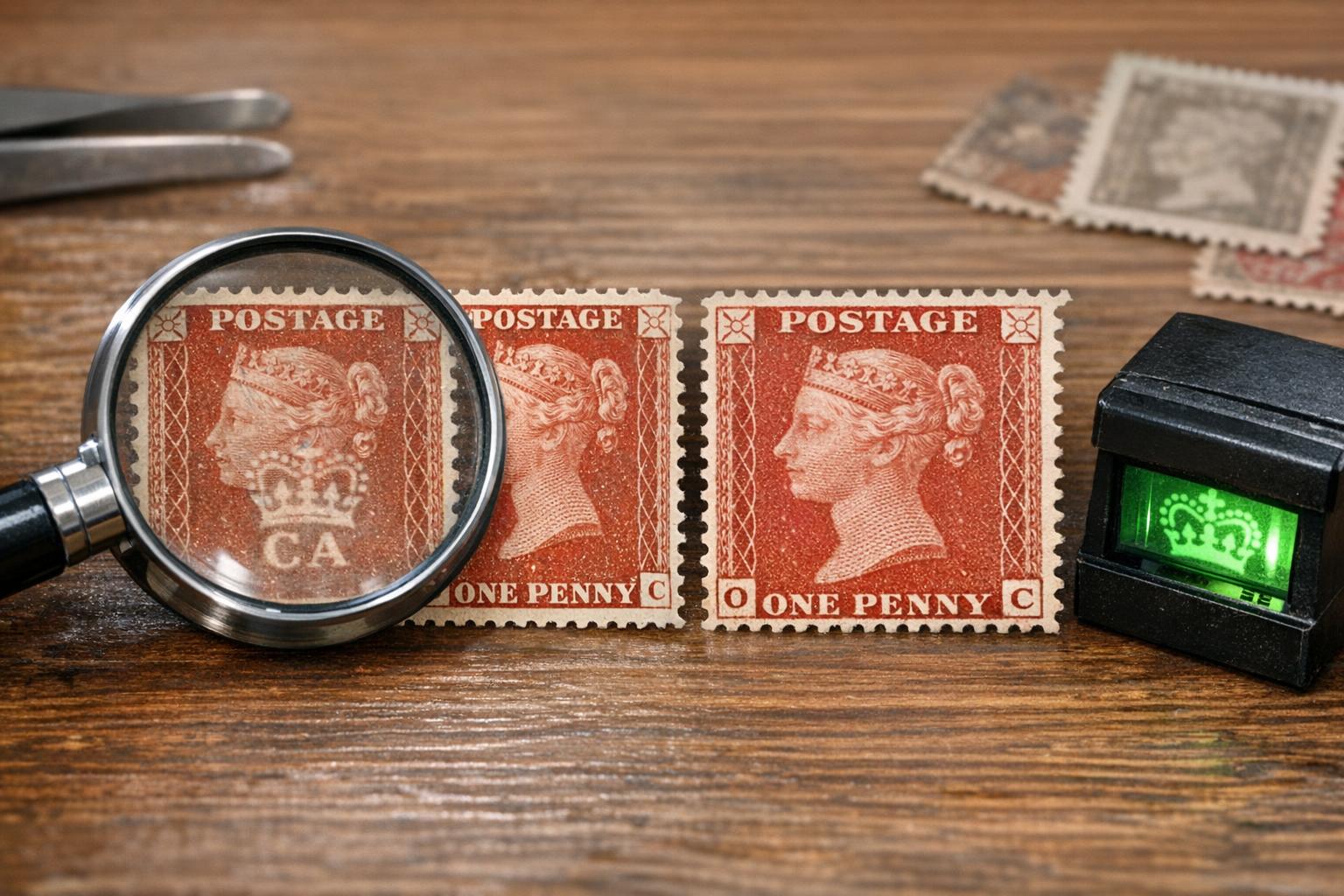
Collectors and dealers often debate subtle features that determine rarity and value. One of the most recurring questions is how to tell whether a stamp carries an embedded design or pattern in the paper, and what that means for condition and price. This guide focuses on practical, expert-backed distinctions and safe techniques for identifying watermarks so you can make informed decisions without risking damage to your material.
## Watermarked Vs Unwatermarked Stamp Differences: Key Points
Understanding watermarked vs unwatermarked stamp differences starts with recognizing what a watermark is: a deliberate variation in paper thickness or fiber arrangement created during manufacture. A watermarked stamp has that embedded design; an unwatermarked stamp does not. These differences affect authentication, catalog classification, and market value. The section below outlines the principal contrasts and why they matter to collectors.
### How A Watermark Is Created And Why It Matters
A watermark is produced while paper pulp is still wet, usually by pressing a wire pattern into the sheets or by using dandy rolls. The result is a lighter or darker area when viewed with transmitted light or special fluids. Watermarks were employed to deter forgery, indicate paper source, or distinguish printing runs. For many issues, identifying watermark differences can be essential for determining whether a stamp is a common issue or a rare variant.
### Visual And Physical Differences Between Types
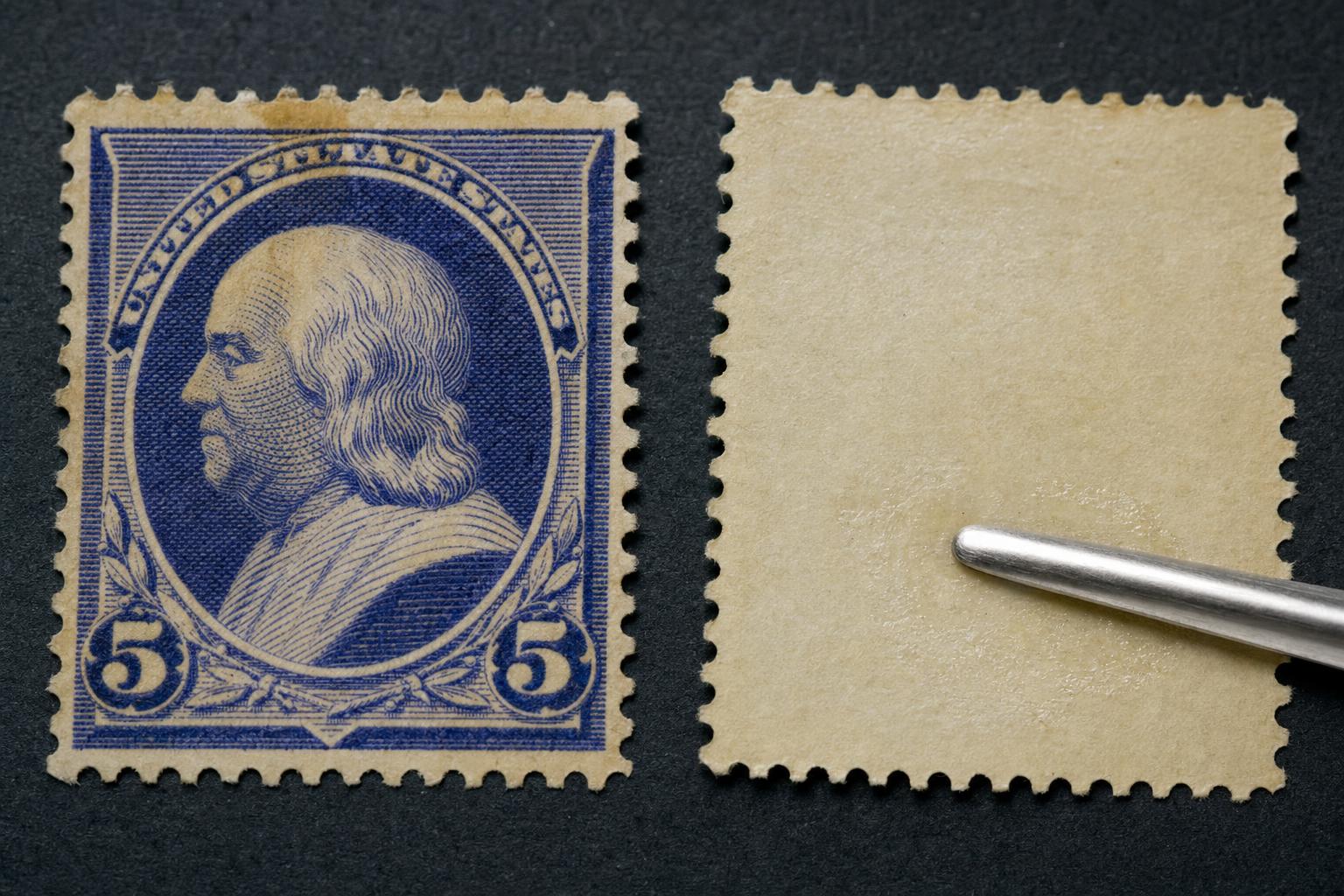
Visible differences between watermarked and unwatermarked stamps can be subtle. With transmitted light, a watermark appears as a contrast in translucency. In some cases, the watermark is visible only from the back under specific angles. Unwatermarked stamps show uniform paper texture and translucency. These physical identifiers are central to informed collecting and correct cataloguing.
### Cataloging, Rarity, And Value Implications
Watermarked vs unwatermarked stamp differences often determine catalogue listings and price differentials. Many catalogs list stamp varieties by watermark type and orientation; a change from no watermark to a watermark—or from one watermark type to another—can mean the difference between a common and a scarce issue. When purchasing or selling, always verify how the catalog classifies the issue you hold.
## 1. Detecting Watermarks With A Commercial Watermark Detector
When precision is required, use a purpose-built watermark detector and approved fluid. This formal method preserves stamp integrity and yields consistent results.
#### Required Materials
– Commercial watermark tray (opaque black)
– Approved watermark fluid (xylene-free, archival quality)
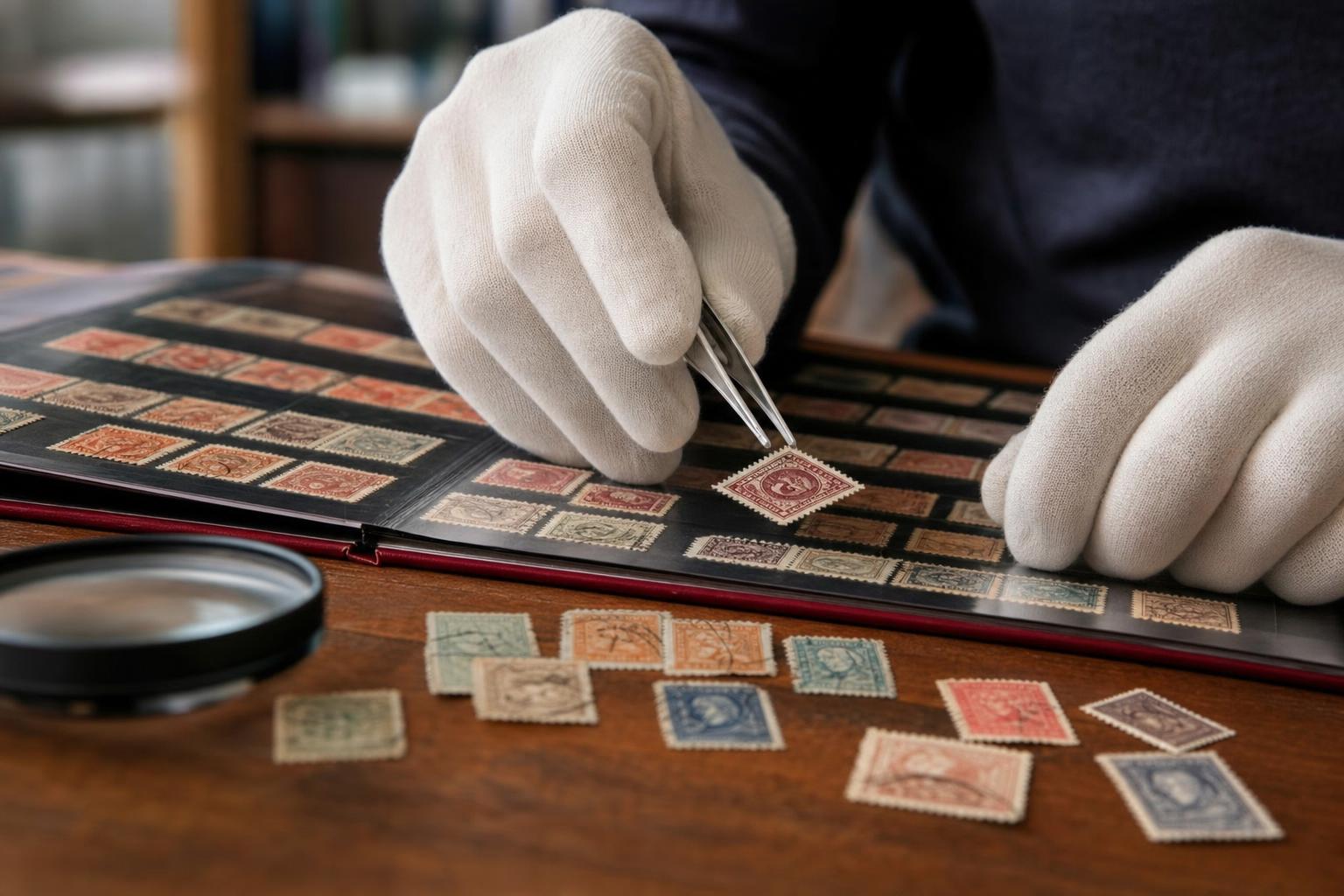
– Soft stamp tongs and gloves
– Clean cotton cloth or blotting paper
– Magnifier or loupe (10x recommended)
#### Step-By-Step Procedure
1. Put on gloves to avoid transferring oils to the stamp.
2. Place the stamp face-down in the black watermark tray.
3. Pour a small amount of approved watermark fluid into the tray, enough to cover the stamp but not overflow.
4. Wait 10–20 seconds for the fluid to settle; the watermark should become visible as a contrast.
5. Use a magnifier to inspect the watermark orientation and design. Record observations (type, direction, any faint marks).
6. Remove the stamp and blot gently with blotting paper if necessary. Allow the stamp to air-dry fully on a clean surface before returning it to storage.
This approach is recommended when you need definitive evidence for cataloguing or sale. Using approved fluids and trays minimizes long-term impact to paper fibers.
### Safety Notes For Commercial Methods
Always use xylene-free fluids specified for philatelic use. Work in a well-ventilated area and avoid skin contact. Store fluids in labeled containers away from heat and direct sunlight.
## 2. DIY Backlighting Method For Watermark Detection
If you do not have access to commercial fluids, a safe, non-contact backlighting method can often reveal the watermark differences without chemical exposure. This is particularly useful for fragile or valuable pieces where any liquid contact is a concern.
#### Required Materials
– LED lightbox or strong directional LED desk lamp
– Black velvet or dark matte background
– Soft stamp tongs and lint-free gloves
– Magnifier or loupe
#### Step-By-Step Procedure
1. Prepare a clean workspace and lay the black background on the lightbox or table.
2. Put on gloves and place the stamp face-up on the dark background.
3. Switch on the lightbox or position the LED lamp behind the stamp so light transmits through the paper. Adjust angle and intensity slowly.
4. Observe through a magnifier, tilting the stamp slightly to vary the light path. Watermarks often appear as lighter or darker shapes depending on the paper’s translucency.
5. Photograph the stamp with the light source on for documentation, using consistent settings for comparison.
6. Return the stamp to its holder using tongs and store it in a dry, acid-free sleeve.
This method is fluid-free and generally safe for routine screening, though it may be less decisive than fluid-assisted detection on very faint marks.
### When To Use Which Detection Method
Choose the commercial watermark detector when you require high certainty, e.g., for sales, high-value items, or contested identifications. Use the DIY backlighting method for preliminary checks, large lots, or when you must avoid liquids. Both approaches are complementary in professional practice and help clarify watermark differences across a collection.
## Identifying Common Watermark Types And Orientation
Different watermark designs—crowns, crowns and letters, multiple wavy lines—may indicate specific print runs. Orientation matters: inverted, sideways, or reversed watermarks change a stamp’s catalog identity. A careful record of watermarking stamps in your inventory lets you track variants and provenance. When assessing a sheet or block, note whether the watermark is continuous across panes or interrupted, as this can indicate plate or paper variations.
### Tips For Recording And Comparing Results
Document all findings with high-resolution images and brief notes: design, orientation, clarity, and detection method used. Compare against catalog plates and watermark reference guides. When uncertain, consult experienced philatelic societies or professional graders who maintain extensive watermark archives.
## Handling, Preservation, And Storage Practices Related To Watermarks
Preservation practices for watermarked versus unwatermarked stamps are fundamentally the same but require heightened caution if a stamp has been exposed to fluids or treatments during identification. Use acid-free mounts, store in humidity-controlled environments (around 50% RH), and avoid prolonged exposure to light. If a stamp has been tested with fluid, allow full drying and inspect for any changes in gum or paper sheen before long-term storage.
### When To Seek Professional Authentication
If a watermark detection affects the monetary value significantly, professional authentication is advisable. Accredited experts can certify watermark type and orientation, and provide a graded opinion for sale or insurance purposes. Formal documentation from a recognized authority often increases buyer confidence and marketability.
## Watermark Differences In Common Scenarios And Case Studies
Collectors frequently encounter three practical scenarios: stamps with clear, easily seen watermarks; stamps with faint or partial watermarks; and stamps where no watermark is present but production records suggest there should be one. Analyzing these cases involves combining detection methods, cross-referencing catalogs, and sometimes consulting archival production notes. Mastering watermark differences lets you separate common issues from genuine rarities.
### Avoiding Common Mistakes
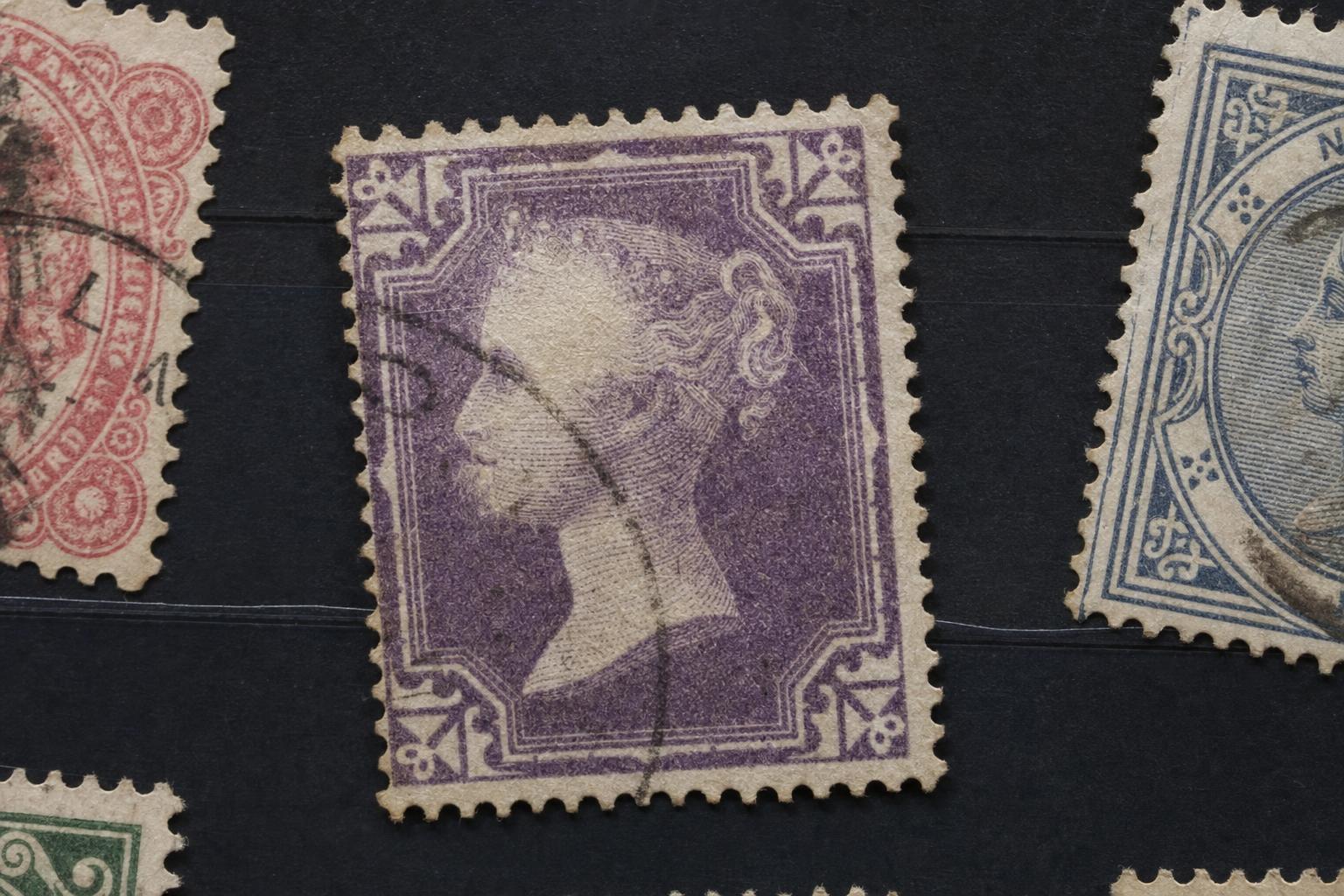
Do not assume that a faint image seen in reflected light is a watermark; dirt, thinning, or gum alterations can mimic watermarking stamps. Always use transmitted light or approved detection fluids where possible. Record your methodology so others can reproduce your findings.
## Valuation Factors Beyond The Watermark
While the presence or absence of a watermark can dramatically affect value, other factors—centering, perforations, gum condition, and cancellations—must be weighed. A rare watermark on a poor-quality stamp may be less valuable than a common stamp in superb condition. Use a holistic assessment when pricing or acquiring stamps.
Here end detailed procedural and informational sections. For further questions about specific watermark types, catalog references, or safe sourcing of detection materials, consult recognized philatelic societies or authorized suppliers.
Leave a Reply