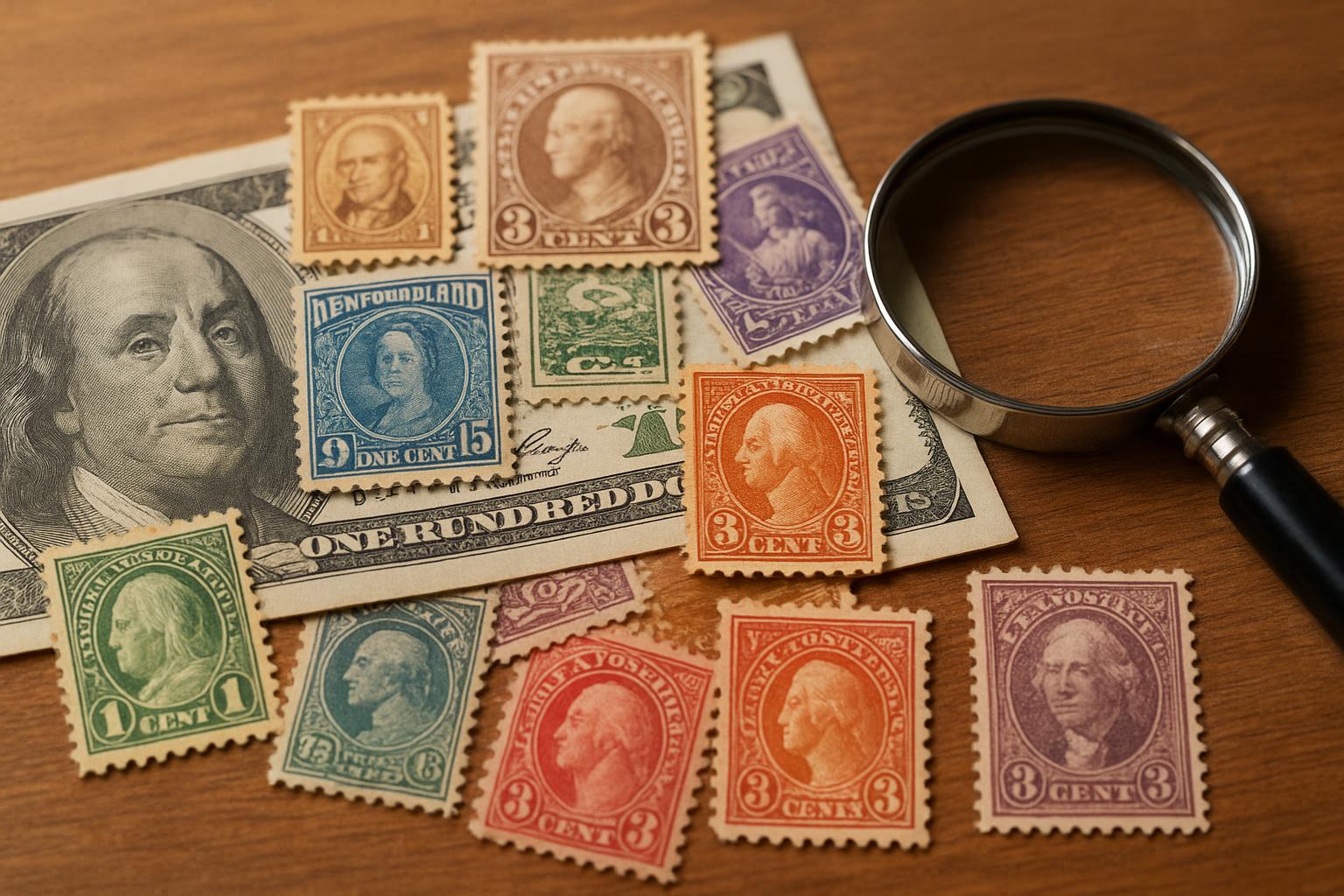
## Typical Resale Value For Common Stamps: Realistic Expectations
If you own a box of old stamps and you want to know the typical resale value for common stamps, the short answer is usually modest. Most everyday stamp issues—recent definitives, bulk commemoratives, and well-worn classics—sell for cents or a few dollars each in ordinary markets. That doesn’t mean there aren’t exceptions. It just means that the headline-grabbing finds are the unusual ones, not the rule.
### How Collectors Define Common Stamps
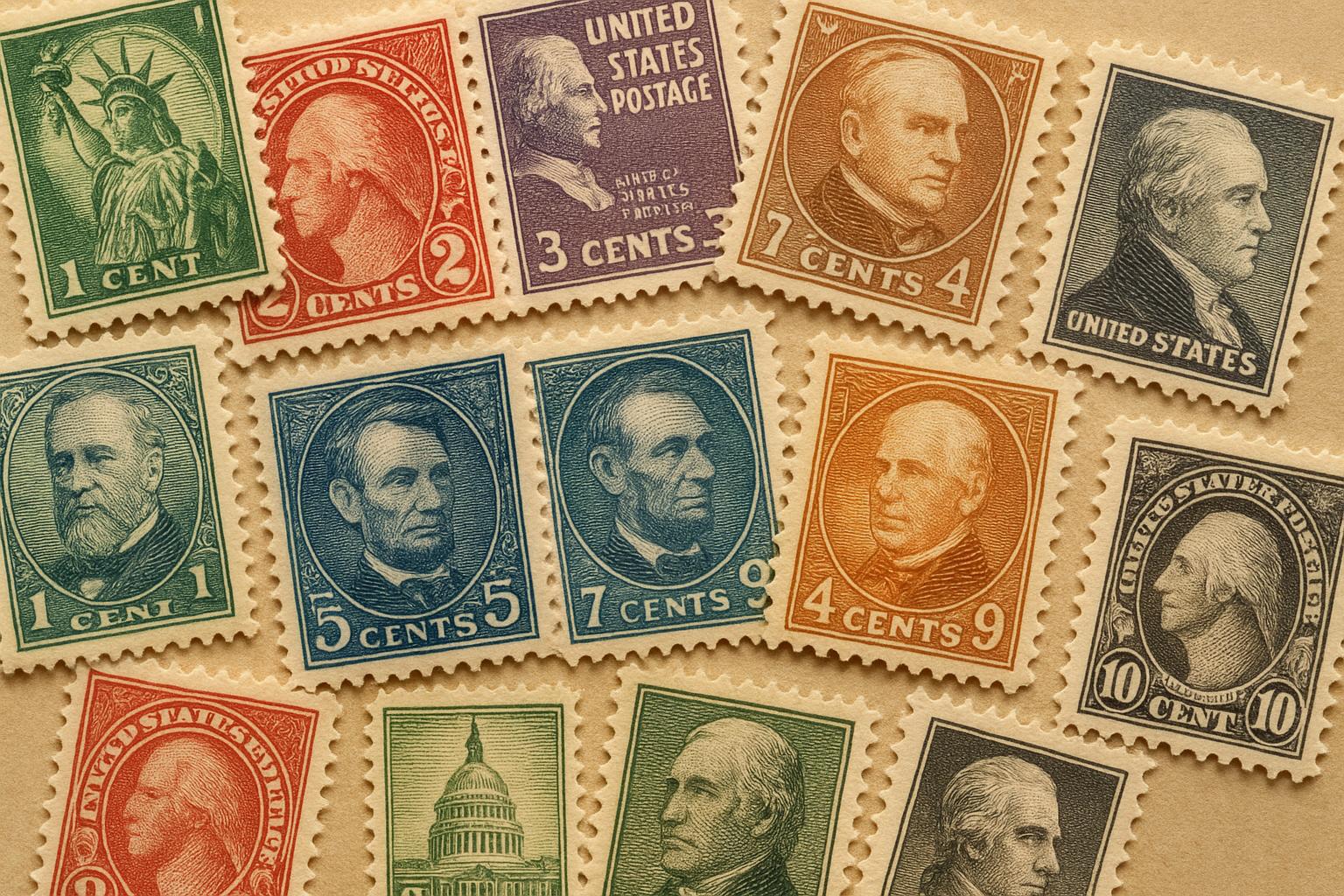
Collectors use a mix of age, circulation, print run, and design to judge whether a stamp is “common.” A U.S. forever stamp from last year? Common. A 1930s Washington definitive that was printed in the millions? Also common. Rare stamps tend to be limited-run, printed with errors, or come from a fragile historical context where few survived.
Condition matters more than people expect. Two identical designs can have very different worth if one is mint and perfectly centered while the other is creased and missing gum. Still, most common stamps only rise a little in value even when they look great.
#### Wear And Condition Categories
– Mint Never Hinged (MNH): Best case for resale among common issues. Buyers pay a premium, but not astronomical sums.
– Mint Hinged or Disturbed Gum: Lowers value, often to a fraction of MNH price.
– Used, Light Cancel: Commonly more affordable unless the cancellation is scarce or attractive.
– Heavily Damaged: Tears, thins, or heavy creases typically push a stamp into “good only for reference” status.
### Typical Real-World Price Ranges
People want numbers, so here are practical ranges you can expect in ordinary markets, assuming nothing rare about the stamp beyond common attributes.
– Modern Forever or Recent Definitive Issues (last 20 years): Face value to 50 cents over face if mint, often sold in lots. If you need cash, assume face value or less after fees and postage.
– Mid-20th Century Definitives and Commemoratives (1940s–1970s): $0.10 to $5 each for most used stamps. Mint examples in top condition can stretch to $10–$30, but that’s uncommon.
– Early 20th Century Common Issues: $0.50 to $10 for used or hinged mint items in decent shape. Nicely centered MNH might fetch $10–$50, depending on demand.
– Victorian-Era And Late 19th Century Common Issues: $1 to $20 for typical pieces. Collector interest in condition and rarity of cancellations can push a few into the $50–$100 range, but only rarely.
– Error Stamps Or Scarce Varieties: These are outliers. A misprint or an unusual watermark on a seemingly common design can bump value dramatically, but you need verification.
I’m saying “typical resale value for common stamps” here because most sellers will not see high prices unless the stamp has a specific attribute that collectors target. Expect modest returns, not windfalls.
### Why Prices Look Low Even For Old Stamps
Three reasons explain the modest numbers:
1. Mass Production: Many stamps were printed in huge quantities. Supply beats demand for standard issues.
2. Condition Loss: Over decades, stamps pick up faults—fading, thins, folds—that annihilate value.
3. Market Realities: Dealers and auction houses need margins. Your “rare” common stamp is often one of many similar items they already have stock of.
Check stamp prices in catalogs and on completed online listings before you assume a treasure. Catalog values are list prices, not what a typical buyer pays.
### Where People Actually Sell Common Stamps
The sales channel matters as much as the stamp. Here’s how different venues typically treat common items.
– eBay And General Marketplaces: Good for single lots and small batches. Expect to get near market value if you present quality photos and fair shipping terms. Watch completed sales to set price. Fees and shipping will cut into returns.
– Local Dealers And Stamp Shops: Quick and easy but conservative. Dealers offer wholesale prices since they must resell. Expect 20–50% of what a collector might pay.
– Stamp Shows And Bourses: Better exposure to collectors. If your lot is decent and you price it fairly, you might get 60–80% of a fair retail value.
– Auction Houses: Not ideal for common, low-value stamps because auction fees and minimums can eat the profit. Use auctions for rarer pieces or properly curated lots.
– Online Specialist Forums And Facebook Groups: Enthusiasts may pay a bit more for specific items. You need to be patient and know what you’re selling.
If you want to get the best typical resale value for common stamps, selling directly to collectors through targeted platforms usually outperforms general marketplaces.
### Assessing Individual Stamps: What To Look For
To estimate what a stamp will sell for, inspect these things:
– Centering: Is the design well-centered? Poor centering drops value quickly.
– Gum: For mint stamps, is the gum original and undisturbed?
– Perforations: Missing or trimmed perforations are major negatives.
– Cancellations: Light, neat cancellations are preferable. Heavy obliterations reduce appeal, unless the cancel itself is rare.
– Color: Has it faded? Even slightly faded colors lower desirability.
– Paper Condition: Thins and tears are critical faults.
Do a quick test: find the stamp in a modern catalog or online database, compare condition photos, then search completed sales on marketplaces. That combination gives you realistic expectations for stamp prices.
### Valuation Examples With Practical Notes
Here are a few concrete scenarios you’ll run into.
– A mint U.S. definitive from the 1960s, well-centered and MNH: list $5–$12 on eBay; expect a sale around $5 after fees.
– A used 1902 common British King Edward VII 1d: catalog value may read a few pounds, but an online sale usually ends at $1–$5 depending on cancel attractiveness.
– An album with 500 modern commemoratives, mixed condition: you might sell the lot for $20–$60 to a collector or dealer. Selling individually takes time but can raise total proceeds modestly.
– Airmail and Postage Due common issues: often niche. Enthusiasts exist, but typical resale value tends to be low unless a scarce cancel or variety is present.
These examples aren’t exceptional finds. They represent what you can expect to see move through common channels.
### Small Strategies To Raise That Typical Resale Value For Common Stamps
You can improve returns without a miracle discovery. Do these things.
– Group Similar Items: Small lots of identical issues sell better than one-off stamps. Buyers like to fill holes in sets.
– Clean, Accurate Photos: Show corners, gum, and back if relevant. Transparency builds buyer trust.
– Identify Cancels: If a cancel is regionally interesting or rare, state it.
– Use Multiple Channels: Start on a collector forum or specialty marketplace, then fallback to eBay if no interest.
– Grade Conservatively: Don’t call a stamp “mint” if the gum is disturbed. Overstatements get negative feedback.
People often balk at investing time in small gains. A little effort can lift returns from cents to a few dollars per stamp, which adds up.
### When To Get An Expert Opinion
There are times when you should pause and ask an expert before selling. When a stamp seems unusual—odd perforation, doubled impression, bizarre watermark—get a second opinion. Authentication costs money, so weigh it against the potential upside. For example, a plausible error on a 20th-century common can be worth hundreds if confirmed. A dealer or specialist forum can give a quick sanity check.
If you suspect a noteworthy variety, take high-resolution photos. Then ask in more specialized communities or reach out to a reputable dealer. Don’t send anything original without insurance.
### How Market Trends Affect Stamp Prices
Stamp prices aren’t static. They follow collector interest, economic cycles, and demographics. An area that once had strong demand might cool down if collectors move on. Conversely, increased interest in a country or theme (space, Olympics, classic cars) can temporarily raise prices for related common stamps.
Keep an eye on completed sales, not just listings. That’s the best barometer of real market value. Catalogs are useful for comparisons, but they are not transaction records.
Repeat: check stamp prices in recent completed auctions or on marketplace history before you list.
### Mistakes That Lower Your Returns
Some common seller errors depress typical resale value for common stamps.
– Overgrading Condition: Saying “perfect” when a stamp has small faults leads to returns and low ratings.
– Poor Packaging: Damage in transit will kill buyer confidence and leave you paying shipping and refunds.
– Listing Without Research: If you price randomly high, items sit unsold. If too low, you leave money on the table.
– Mixing Rarities With Bulk: A rare item buried in a lot gets overlooked. Separate it and list it with proper description.
One time I saw a seller include a visibly large color-shift error in a 20-stamp lot and the whole lot sold for scrap. They could have had that one piece authenticated and auctioned.
### Small Sales, Big Fees
Fees bite. Marketplaces take a cut, payment processors charge, and shipping eats profit. When you sell common stamps, make sure the expected price exceeds cumulative fees. Often, the typical resale value for common stamps drops once fees are factored in. For low-value stamps, local swaps or selling in bulk to a specialized buyer can be better than trying to move them piece by piece.
### Tools And Resources Worth Using
– Marketplace Completed Listings: Best real-time indicator of what buyers actually pay.
– Scott or Stanley Gibbons Catalogs: Useful for identifying stamps and spotting varieties. Remember these show list values.
– Specialist Forums: Small communities can quickly tell you if something is interesting.
– Local Dealers: Use them for quick sale, but price expectations should be tempered.
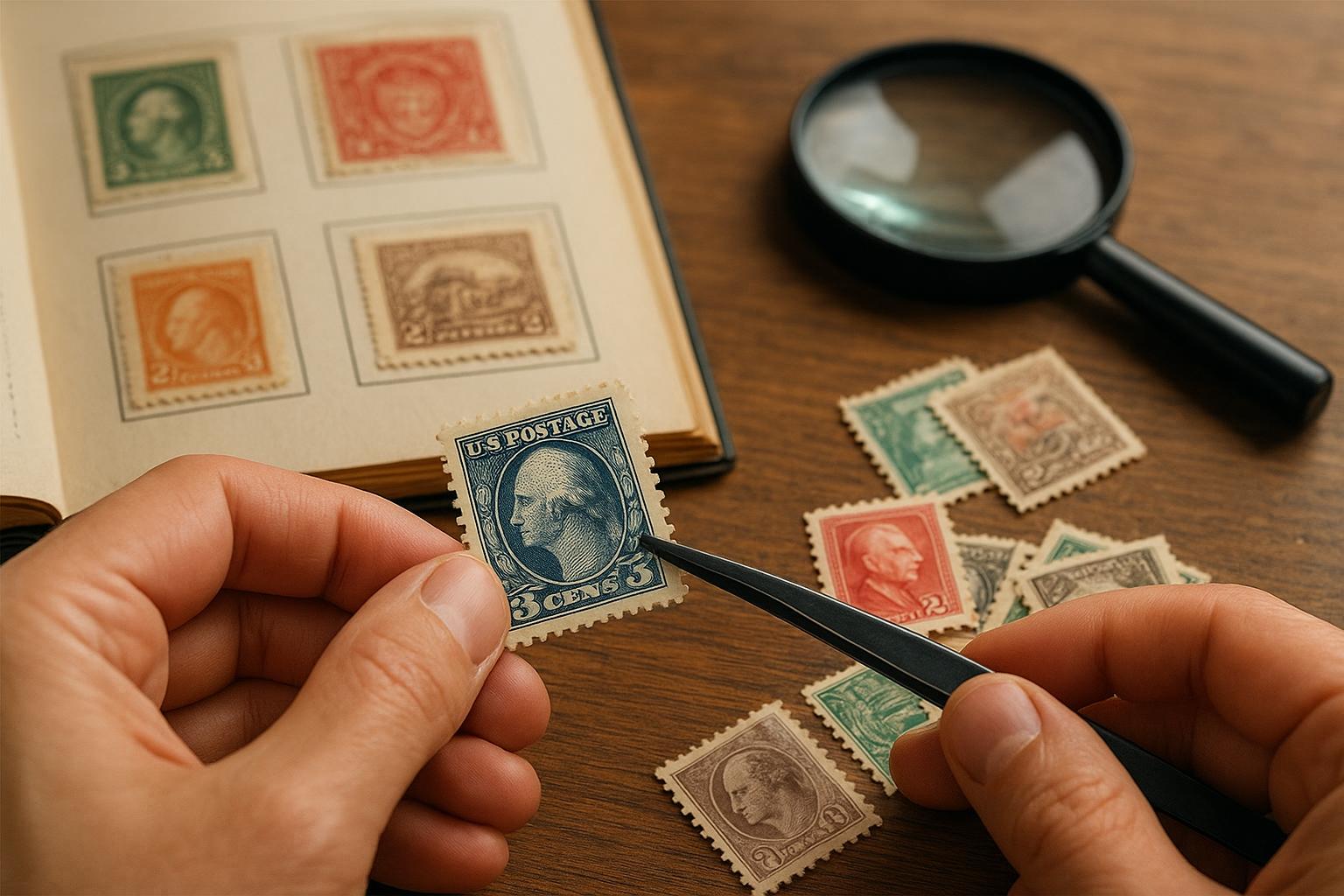
– Basic Magnifier and Perforation Gauge: Help identify subtle differences that matter.
If you want to be taken seriously and get fair stamp prices, learn basic identification. It prevents you from being low-balled or inadvertently selling something with real value.
### Common Questions Sellers Ask
“Are common stamps worth anything?” The short reply: yes, sometimes, but typically not a lot. Some common stamps are worth enough to make sorting worthwhile. Others are better sold in bulk.
“How do stamp prices change if a lot contains a few better items?” Separate them. Buyers pay more when items are curated. A mixed lot with the occasional gem will sell at bulk rates and the gem will be ignored.
“What’s the best way to sell 1,000 mixed modern stamps?” Group them by country or theme, then sell as lots. You’ll get more than a single “mixed” bundle. Expect modest returns, but you avoid listing thousands of items individually.
If you want help estimating a specific stamp, show clear photos and mention size, country, and any visible markings. People are often willing to point out if something needs an expert eye to recieve authentication.
### Final Practical Note On Expectations
If you’re clearing out inherited albums or downsizing, think in terms of dollars per hour spent. Time is money. Sorting, listing, packing, and shipping can swallow hours. If the expected return per hour is low, selling in bulk to a dealer or a collector may be the best route. If you enjoy the hunt and the side income, detailing and selling stamps individually can be rewarding, both financially and intellectually.
Keep realistic. Most of the time, the typical resale value for common stamps will be small but not zero. Spend effort where it counts, and you’ll find the outcomes match the work you put in.
Leave a Reply