## What Are Coil Stamps: Definition And Purpose
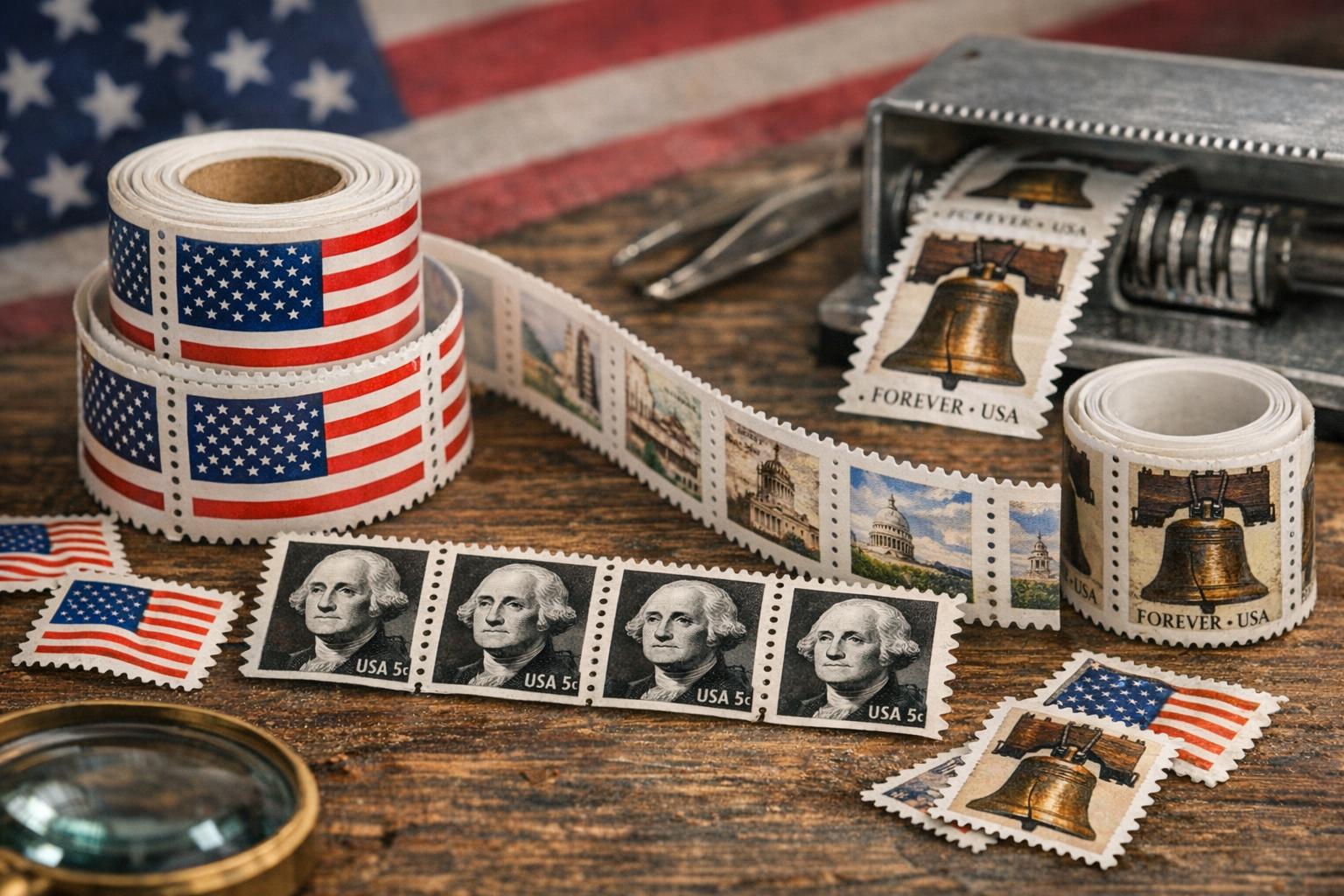
If you’ve ever wondered what are coil stamps and why collectors prize certain issues, this article explains the formats used in U.S. production and how to identify and collect them. At their core, what are coil stamps? They are postage stamps produced and sold in long rolls for vending machines and large-volume mailers. Unlike sheet stamps, coil stamps are printed and perforated to be dispensed one at a time along a roll, and that manufacturing method creates several distinct formats and collecting specialties.
### Key Features Of Coil Production
Coil production differs from sheet production in process and in the physical characteristics that result. Most coil stamps are issued in long rolls and were historically used by businesses and postal bureaus that needed many stamps quickly. The process can create differences in size, perforation, and orientation that are meaningful to philatelists.
#### Perforation Patterns
One obvious trait of coil issues is the perforation pattern. Traditional coil stamps are perforated between adjacent stamps only on two opposite sides, so when you look at a single stamp from the roll it often has perforations only across the left and right edges (or top and bottom, depending on orientation). This limited perforation pattern is one reason collectors check stamps carefully to determine coil format.
#### Orientation: Vertical Versus Horizontal Coils
Coil formats are commonly described as vertical or horizontal. A vertical coil has its design oriented so the long axis of the stamp aligns with the length of the roll; a horizontal coil’s design runs perpendicular. Orientations affect how stamps are fed in vending machines and can lead to varieties when a design was used in both formats. You’ll also see the term coiled stamps used to describe stamps in any roll-based format.
### How Rotary And Flat-Plate Printing Affect Coil Stamps
The printing method that produced a coil issue can change small dimensions of the stamp. Rotary presses print on a curved plate, slightly stretching the design and sometimes producing a marginal size difference compared with flat-plate or sheet-printed issues. These differences can help specialists distinguish between similar-looking coil stamps and can affect catalog listings and rarity.
#### Plate Numbers And Imprint Characteristics
Some coil stamps bear plate numbers or printing imprints at regular intervals on the backing paper or selvage when issued in rolls with wider margins. In many U.S. coils these numbers are absent or appear less frequently than on sheets because of the way rolls were assembled. Collectors seeking positional pieces often look for these imprints on coiled stamps to determine how a specific stamp was produced.
### Common U.S. Coil Formats And Terminology
Knowing the standard formats used in the United States makes identifying and valuing coil stamps easier. The terms below are commonly used in catalogs and by collectors.
#### Single-Coil Versus Multiple-Coil References
Collectors refer to stamps as “coil” or “coil stamps,” but sometimes differentiate by the way rolls were assembled. A single-roll issue that was printed and shipped as one continuous roll is straightforward; other times, coils were assembled from sheet waste or combined runs, creating varieties known as coil waste or seamed coils. These production differences impact rarity and interest.
#### Self-Adhesive Coils Versus Gummed Coils
Modern U.S. coil stamps are often self-adhesive and issued in rolls designed for consumer convenience, whereas older issues were gummed and required moistening. The backing paper and adhesive can be a collecting consideration because removing self-adhesives from backing without damage requires care.
### Identifying Coil Stamps: Practical Tips
Knowing what are coil stamps in practice involves examining perforations, orientation, and physical traits. Use these practical checks when assessing a stamp.
1. Inspect the Perforations: Look for perforations only on two opposite sides. If only the left and right edges are perforated (or only the top and bottom), that’s a strong cue that the stamp came from a roll.
2. Check Orientation: Compare the design’s long axis to the stamp’s long edges to determine vertical or horizontal coil format.
3. Measure Size: If possible, measure the stamp and compare to catalog dimensions for rotary-printed versus flat-plate examples; rotary impressions can be slightly wider or taller.
4. Examine Backing And Selvage: For older coiled stamps, remnants of spool edges or numbers on backing paper can confirm coil origins.
### Collecting Challenges And Varieties
Coil collecting can be rewarding but requires attention to distinction. Many collectors specialize in collecting paired strips, plate-number coils, or positional coil waste pieces. Because coil production involved mechanical feeding through presses, misperforations, imperforate between varieties, and seamed joins occur and can be valuable.
#### Coil Line Pairs And Seamed Coils
A “coil line pair” is a pair of stamps that retains a printing line between them, a production artifact collectors prize. Seamed coils—where two shorter rolls were joined—can produce stamps with unusual margins or paper traits. These nuanced differences are part of why collectors ask what are coil stamps in more detail.
### Market Factors And Valuation Considerations
Several variables influence the market for coil stamps. Condition is paramount—centering, gum condition (for gummed coils), and absence of thins or creases matter. Rarity is often tied to production run size, the printing method, and any distinguishing production quirk like an imperforate error.
#### Use And Postal History Value
Because many coils were used in bulk mailing, used examples can be common for certain issues. Yet postal-use markings—especially from early vending machine applications or rare town cancels—can add postal history value. Collectors balance unused, mint never-hinged examples against used stamps depending on scarcity.
### Storage And Preservation Best Practices
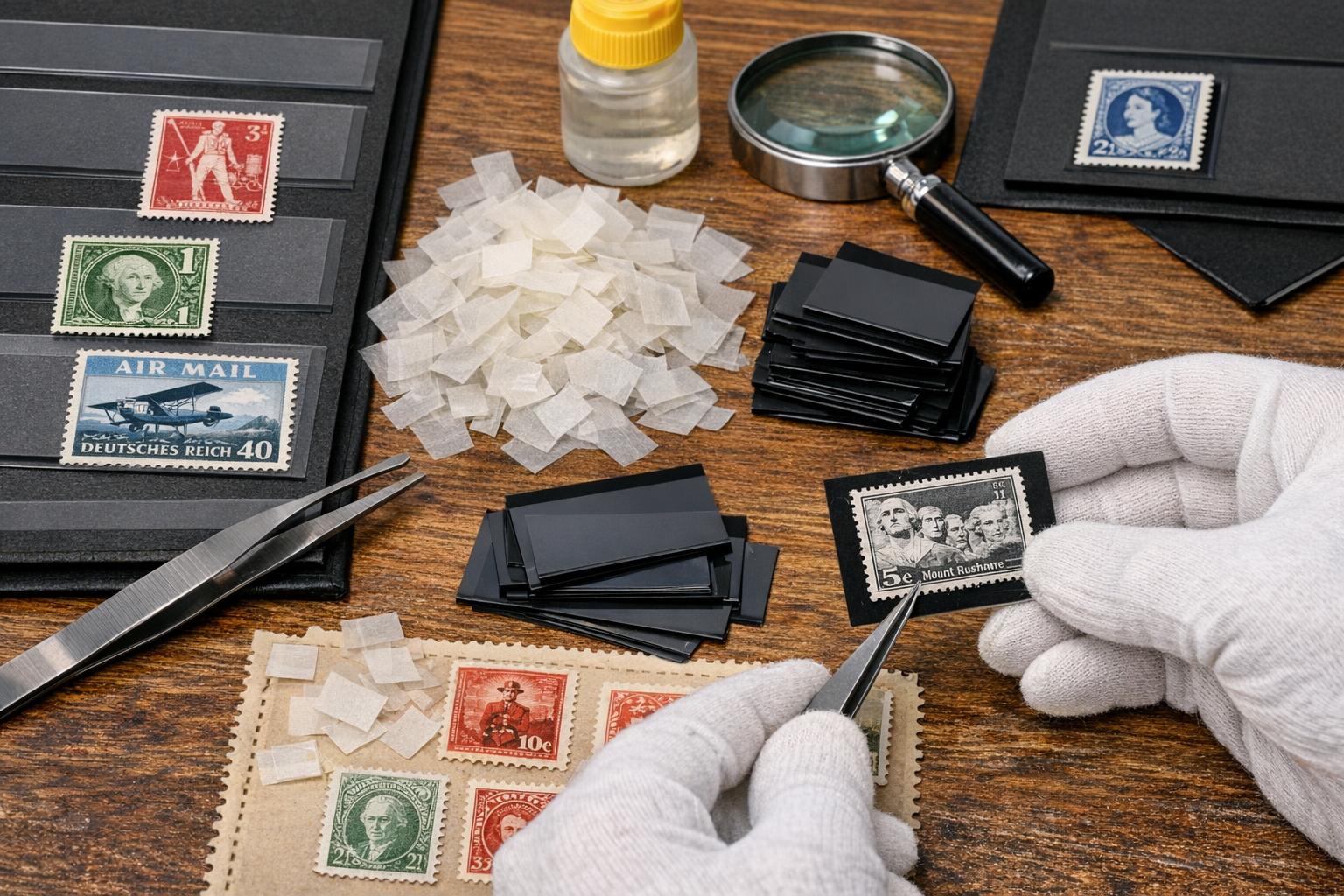
Treat coils with the same care you would any philatelic material. Store in a stable, low-humidity environment. Use mounts or glassine envelopes to prevent self-adhesive backing from sticking to album pages. For older gummed coils, avoid contact with humidity and handle with tweezers.
### Resources For Further Study
Books, catalogs, and specialized chapters on coil stamp production offer deeper technical detail. National postal museum archives and philatelic societies often publish research on coil press techniques and production runs. If you’re cataloging or authenticating a suspect coil, microscopic inspection or reference to rotary-vs-flat plates in specialist catalogs can clarify what are coil stamps in that specific context.
### How To Start A Coil Collection (Step-By-Step)
If you want a structured approach to collecting coil stamps, follow this formal and informative method:
Ingredients / Required Materials:
– Stamp tongs (tweezers)
– Perforation gauge
– Stamp mounts or archival glassine envelopes
– Magnifying loupe (10x recommended)
– Reference catalog or coil-specialist literature
– Clean, flat workspace with soft padding
Step-By-Step Creation And Application:
1. Establish A Focus: Decide whether you’ll collect by denomination, era, plate numbers, or production anomalies related to coiled stamps.
2. Acquire Reference Material: Obtain a current stamp catalog and any relevant monographs on U.S. coil production.
3. Inspect Purchases Carefully: Use the loupe and perforation gauge to confirm a stamp’s coil characteristics—perforation pattern, orientation, and size.
4. Mount Properly: Place stamps in mounts or envelopes to prevent damage. For self-adhesives, keep the backing intact until you intend to mount.
5. Record Provenance: Note where and how each item was acquired, including dealer certificates or previous owner notes that may affect value.
6. Reassess Regularly: As you learn more, reclassify pieces. New research can change how a particular coil issue is understood.
### Common Misconceptions
One recurring question in forums is whether coil stamps are inherently less valuable than sheet stamps. Value depends on rarity and condition; some coil issues are common, but certain coil varieties (imperforate between, rotary plate differences, or coil line pairs) can be more valuable than their sheet counterparts. Additionally, the phrase coiled stamps is sometimes mistaken as a distinct class; in practice it is largely synonymous with coil stamps and refers to items issued in roll format.
### Where To Buy And Authenticate Coil Stamps
Reputable dealers, auction houses, and specialized shows are the best sources. For key items, seek certification from recognized philatelic expertizers. When purchasing online, request high-resolution images showing perforations and backs so you can verify whether the piece matches known coil characteristics.
## What Are Coil Stamps In Summary Of Formats
Revisiting the central question—what are coil stamps—remember they are roll-produced stamps intended for machine dispensing and bulk use. Their production method creates identifying traits: limited-side perforations, specific orientations, and print-method differences that make them a distinct collecting field. If you focus on careful inspection and sound storage, coil collecting can be a highly rewarding specialization within U.S. philately, yielding both aesthetic and historical satisfaction without requiring specialized lab equipment.

Leave a Reply