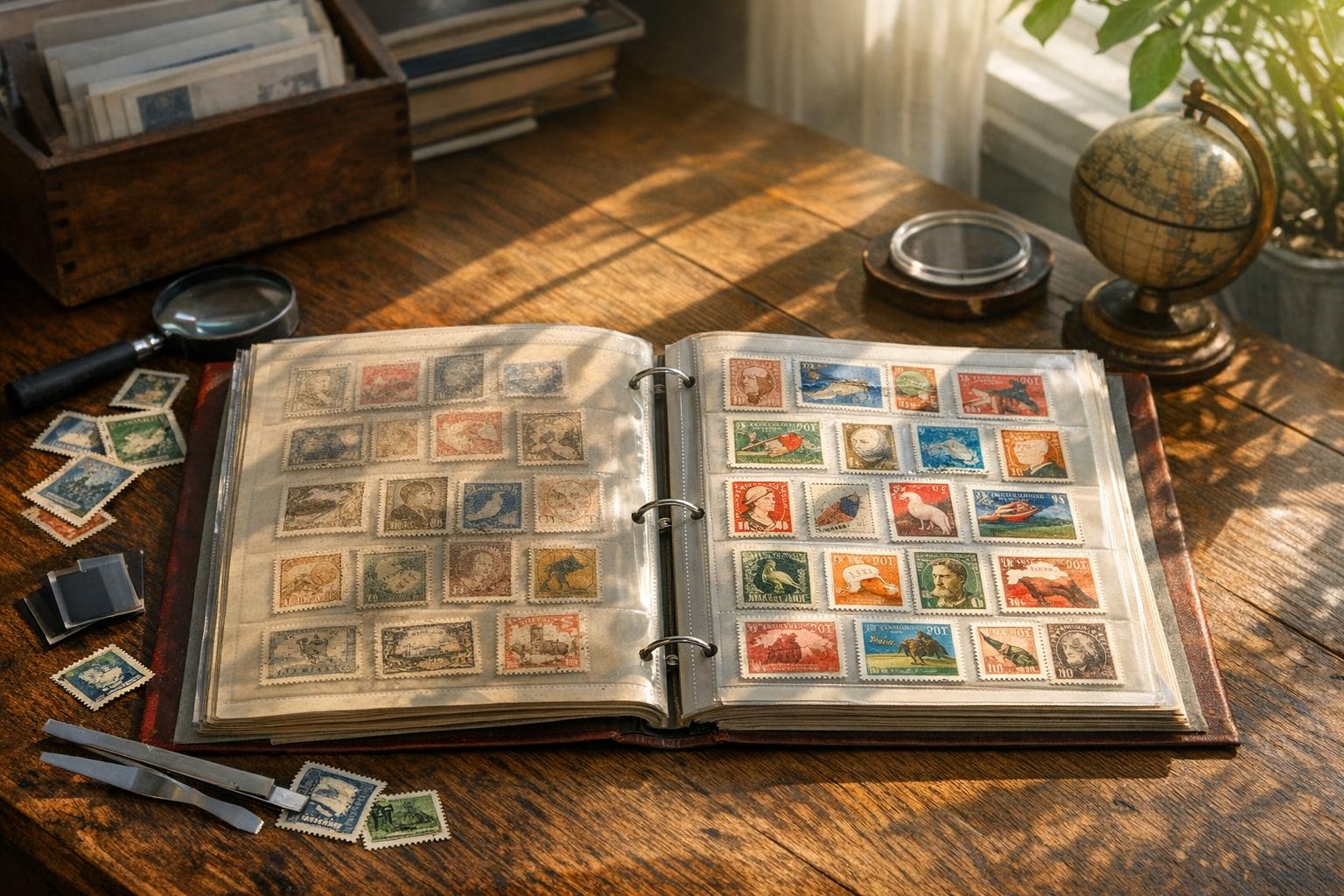
Collectors frequently ask whether exposure to natural light can permanently harm philatelic material. The question can sunlight damage stamp collections is not merely theoretical: prolonged exposure to UV-rich light initiates chemical and physical changes in paper, inks and adhesives. This article explains the mechanisms of deterioration, how to identify early signs, and provides formal, stepwise remedies to prevent and mitigate sunlight-related losses.
## Can Sunlight Damage Stamp Collections: Risks And Mechanisms
Sunlight interacts with stamps through a combination of ultraviolet (UV) radiation, visible light energy and heat. The degree to which can sunlight damage stamp collections depends on light intensity, exposure duration, the composition of the paper and inks, and prior conservation history. UV photons carry sufficient energy to break chemical bonds in dyes and sizing agents; visible light can also promote slow fading processes. The result is loss of color saturation, changed hue, embrittlement of paper and weakened adhesives.
### Photochemical Fading Of Pigments And Inks
Ink formulations vary—some are organic dyes highly susceptible to photobleaching, while others are more stable pigments. When exposed to sunlight damage stamps may exhibit rapid fading of reds, purples and certain blues because those pigments absorb UV and visible wavelengths that accelerate molecular breakdown.
### Degradation Of Paper And Gum
Paper contains lignin and residual acids in many historic issues. Sunlight damage increases the rate of oxidation and acid hydrolysis, producing yellowing and decreased tensile strength. Gum layers may discolor, become brittle or migrate, causing staining or separation.
### Thermal And Humidity Interactions
Sunlight often elevates local temperature and can interact with humidity to exacerbate mechanical stress. Repeated cycles of heating and cooling, combined with sunlight damage, lead to warping, cockling and loss of dimensional stability.
## How To Identify Sunlight Damage In Stamps
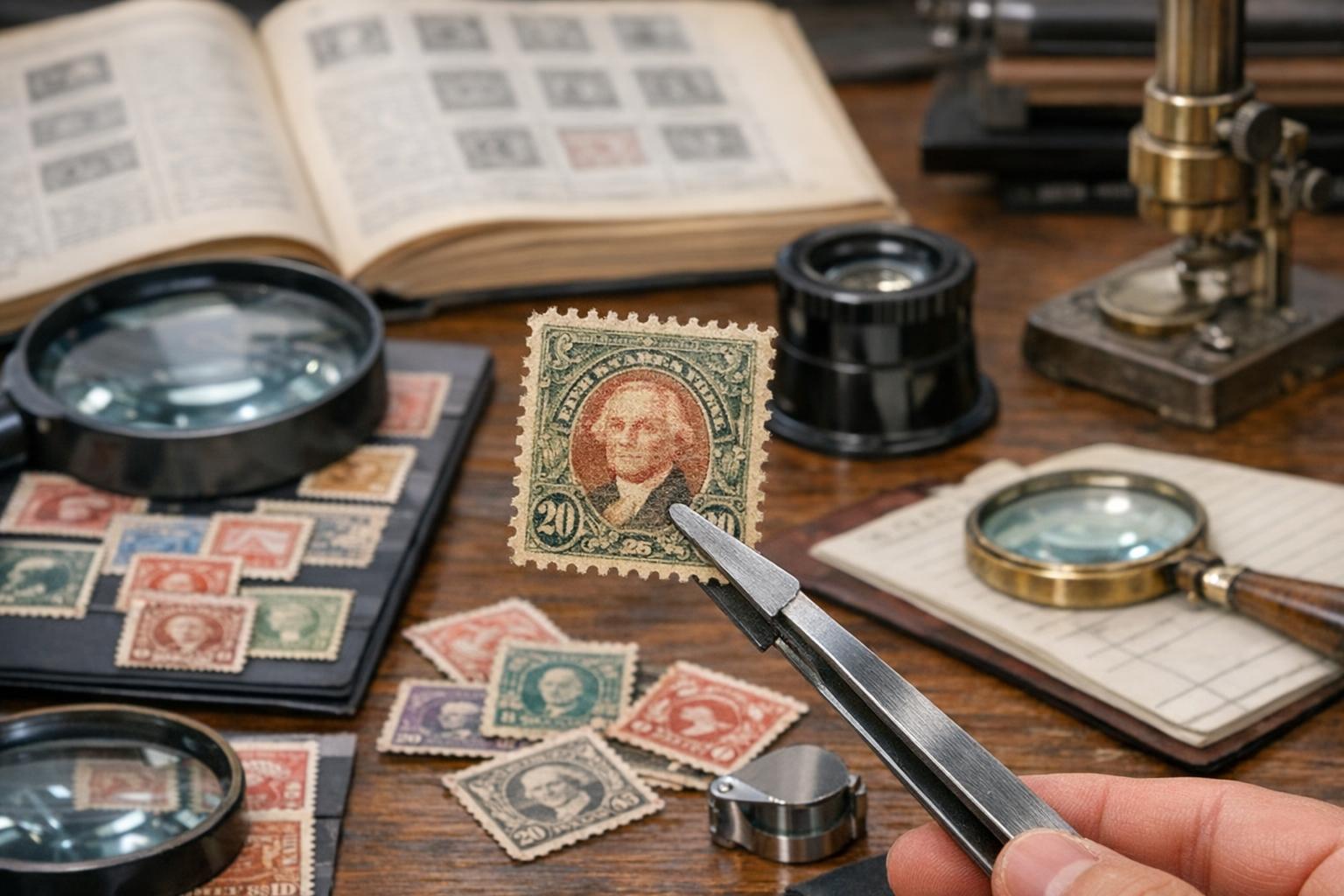
Early recognition of sunlight-related deterioration allows targeted intervention. Examinations should be conducted in a controlled environment, using a loupe, calibrated light sources and, where available, UV lamps.
### Visual Signs And Comparative Assessment
Compare suspect items with reference copies stored in the dark. Look for uneven fading along edges or margins, shifts in hue, outlines with sharper contrast where overprinted elements have different photostabilities, and yellowing of paper or gum.
### Instrumental Detection Techniques
A low-power UV lamp can reveal differential fluorescence changes in inks and papers. Spectrophotometric comparison, where available, provides quantifiable evidence of color shift. These methods assist in documenting the extent of sunlight damage stamps have incurred.
## 1. Protective Storage Remedy
Proper storage is the primary formal remedy to prevent further losses. This remedy focuses on using archival materials, limiting light exposure and controlling the storage environment.
#### Required Materials
– Archival-quality, acid-free stockbooks or archival folders
– UV-filtering polyester (Mylar) or polypropylene sleeves rated for philately
– Buffered, lignin-free interleaving tissue (if necessary)
– Hygrometer and thermometer for monitoring microclimate
– Desiccant packs (silica gel) with indicator cards (where local humidity is high)
– Dark, climate-stable storage cabinet or archival boxes
#### Step-By-Step Creation And Application
1. Evaluate Collection: Inventory stamps and note any items showing signs of sunlight damage. Prioritize those with visible fading or paper weakness for immediate protection.
2. Select Archival Housing: Choose acid-free stockbooks or archival folders sized appropriately. Avoid PVC and non-archival plastics which can off-gas and cause secondary degradation.
3. Sleeve Individual Stamps: Place each stamp in a UV-filtering polyester sleeve or in a mount adhered to an acid-free card. Ensure sleeves are sized to avoid bending the stamp; allow minimal movement to reduce friction.
4. Interleave If Necessary: For stamps with adhesive residues or those at risk of sticking, insert buffered, lignin-free interleaving tissue between items.
5. Control Microclimate: Store the housing in a dark cabinet or archival box in a room with stable temperature (ideally 18–22 °C) and relative humidity of 45–55%. Use silica gel packs in storage containers in humid climates and monitor conditions with a hygrometer.
6. Document Storage: Record the storage date, materials used and environmental readings. This helps track changes and informs future conservation work.
When applied consistently, this formal remedy significantly reduces the likelihood that ongoing sunlight exposure will further degrade the collection.
## 2. Display And Lighting Control Remedy
Collectors often wish to display prized pieces. This second remedy emphasizes scientifically informed lighting strategies to minimize sunlight damage while permitting safe exhibition.
#### Required Materials
– Display frames with museum-grade UV-filtering glazing (glass or acrylic)
– Backing boards of buffered, acid-free material
– Low-UV or LED lighting rated for conservation display
– Light meters to measure lux levels
– Window treatments (UV-blocking films, blinds or drapes)
– Security mounts that secure items without adhesives touching the stamp
#### Step-By-Step Creation And Application
1. Select Appropriate Glazing: Choose glazing that blocks at least 98% of UV radiation. Museum-grade UV-filtering options reduce the principal vector of sunlight damage.
2. Use Conservation Backing: Mount stamps on buffered, acid-free backing boards. Avoid adhesives contacting the obverse of stamps; use archival mounts or corners that support without adhesion.
3. Control Visible Light Levels: Limit illuminance to safe levels—typically under 50 lux for sensitive colored materials, and up to 150 lux for less sensitive items. Use LED lighting with a high color-rendering index but low UV output.
4. Measure And Adjust: Use a light meter to verify lux levels at the object surface. Position fixtures to minimize direct light and employ diffusers to reduce hotspots.
5. Manage Window Exposure: If displaying near windows, apply UV-blocking films or shades to reduce solar ingress. Prefer north-facing display areas to limit direct sun.
6. Rotate Exhibits: Implement a rotation schedule so individual stamps are exhibited only for limited periods. Record display durations to prevent cumulative sunlight damage.
This display remedy allows collectors to balance accessibility and preservation while addressing whether can sunlight damage stamp collections during exhibition.
## Preventive Policies And Handling Protocols
Preservation encompasses policies that reduce the risk of sunlight-related loss across the collection.
### Environmental Monitoring And Recordkeeping
Maintain logs of temperature, humidity and light exposure. Regular audits permit early detection of deleterious trends and inform adjustments to storage or display strategies.
### Handling And Inspection Procedures
Establish protocols that require handlers to wash and dry hands or use cotton gloves for certain materials, avoid exposing stamps to bright daylight during handling, and inspect items under standardized lighting conditions.
### Professional Conservation Referral
When significant sunlight damage is present—brittle paper, severe fading, or adhesive migration—seek a professional paper conservator. Certain stabilization techniques are best performed by trained specialists to avoid further harm.
## Mitigation For Already Damaged Items
If assessment indicates existing sunlight damage, remedial steps vary by severity. Light stabilization—minimizing further exposure—is the immediate priority. For color loss or fragile paper, consider rehousing, humidification and flattening only under the supervision of a conservator. Avoid home chemical treatments or aggressive bleaching; such interventions can exacerbate degradation.
Throughout these recommendations, the question can sunlight damage stamp collections remains central: yes, sunlight is a demonstrable and preventable threat. Implementing archival storage, controlled display practices and regular monitoring substantially reduces the risk and preserves philatelic integrity for future study and enjoyment.
Leave a Reply