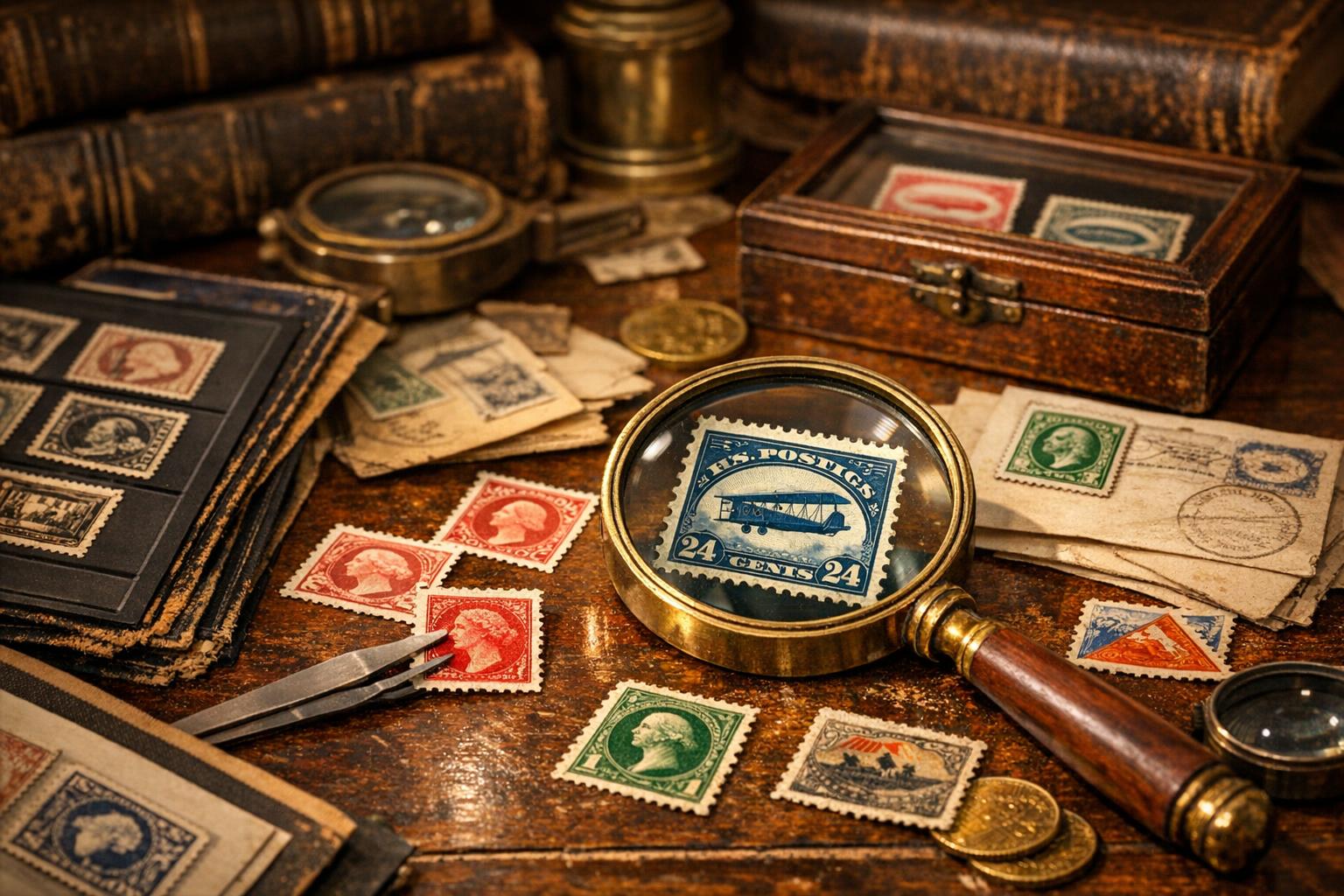
A forgotten wooden cigar box, a brittle album tucked behind a wardrobe — suddenly your quiet Saturday explodes with the possibility of hidden treasure. Collectors salivate at whispers from attics and basements, and for good reason: sometimes a pile of faded paper can be a one-way ticket to serious money. But how do you separate sentimental clutter from a sudden windfall? Read on to catch the red-hot indicators that could make you very glad you didn’t toss that box of stamps.
## Hot: Signs An Inherited Stamp Collection Could Be Valuable
The first and most electrifying question when faced with an inheritance is whether there are signs an inherited stamp collection could be valuable. Don’t assume value is rare — with the right mix of rarity, condition and provenance, even small lots can conceal gems. The phrase itself might sound hyperbolic, but the market has repeatedly surprised heirs who treated inheritance stamps like mere souvenirs.
### The Immediate Visual Clues That Trigger Alarm Bells
When you crack open an album, your eyes should dart to a handful of visual cues. These are the dramatic, in-your-face signs an inherited stamp collection could be valuable that make experienced collectors reach for the phone.
– Unusual Images Or Portraits: Stamps featuring rare monarchs, short-lived leaders, or provisional governments often command premiums.
– Distinctive Printing Methods: Look for engraving, recess printing or intaglio textures. These older techniques can point to classic issues.
– Condition That Defies Age: Sharp gum, intact perforations and bright colors — pristine condition on old stamps is a jackpot signal.
– Complete Sets: Full runs, especially from early issues, can multiply value rapidly compared to isolated pieces.
These triggers are the loud, sensational clues that should make you stop and take photos. But don’t mistake excitement for accuracy — the next steps matter.
### Postal History, Provenance And The Paper Trail
A stamp’s story is as valuable as its ink. Provenance — documentation showing where the stamps came from and who once owned them — can turn an ordinary item into a collectible with pedigree. Look for old letters, addressed envelopes (covers), or dealer invoices tucked inside the album. Postal usage, cancellations, and destinations can dramatically increase value, especially for early international mail.
If you find notes written in fountain pen listing previous appraisals or the name of a known collector, these are screaming signs an inherited stamp collection could be valuable. Keep those documents safe; they are often worth as much as the stamps themselves.
#### Paper, Perforations And Watermarks: Tiny Details, Huge Payoffs
Get close. The paper quality, the exact perforation count, and hidden watermarks are forensic clues. Thin or thick paper types, unique perforation patterns, and identifiable watermarks can all signal scarce printings. If you see a watermark when holding the stamp up to light, that’s a major green flag.
#### Errors, Color Variations And Overprints: The Collector’s Holy Grail
Perhaps the most sensational of all are printing errors — inverted centers, missing colors, double impressions, or unusual overprints. Such anomalies are classic reasons inheritance stamps skyrocket in value. Even slight color shifts versus catalogue plates can be the difference between a $2 stamp and a five-figure sale.
### Auction Records, Catalogues And Dealer Whispers
Market data fuels desire. If you spot names or catalogue numbers in the album margins, these are practical signs an inherited stamp collection could be valuable. Compare any catalogue references to current market prices online. Auction houses also publish realized prices; a similar lot selling for a high hammer price is a powerful indicator.
If local dealers start sounding excited when you describe your finds, that buzz is not mere flattery — it’s potentially the precursor to a sale. But beware: hype can inflate expectations. Verification is essential.
## How To Assess And Preserve An Inherited Stamp Collection (Remedy)
When the sensational discovery chills out, the practical work begins. Below is a formal, methodical remedy to assess, preserve, and document inheritance stamps properly. Follow this process to protect value and prepare for a professional appraisal.
### Materials Required
1. Soft microfiber cloths
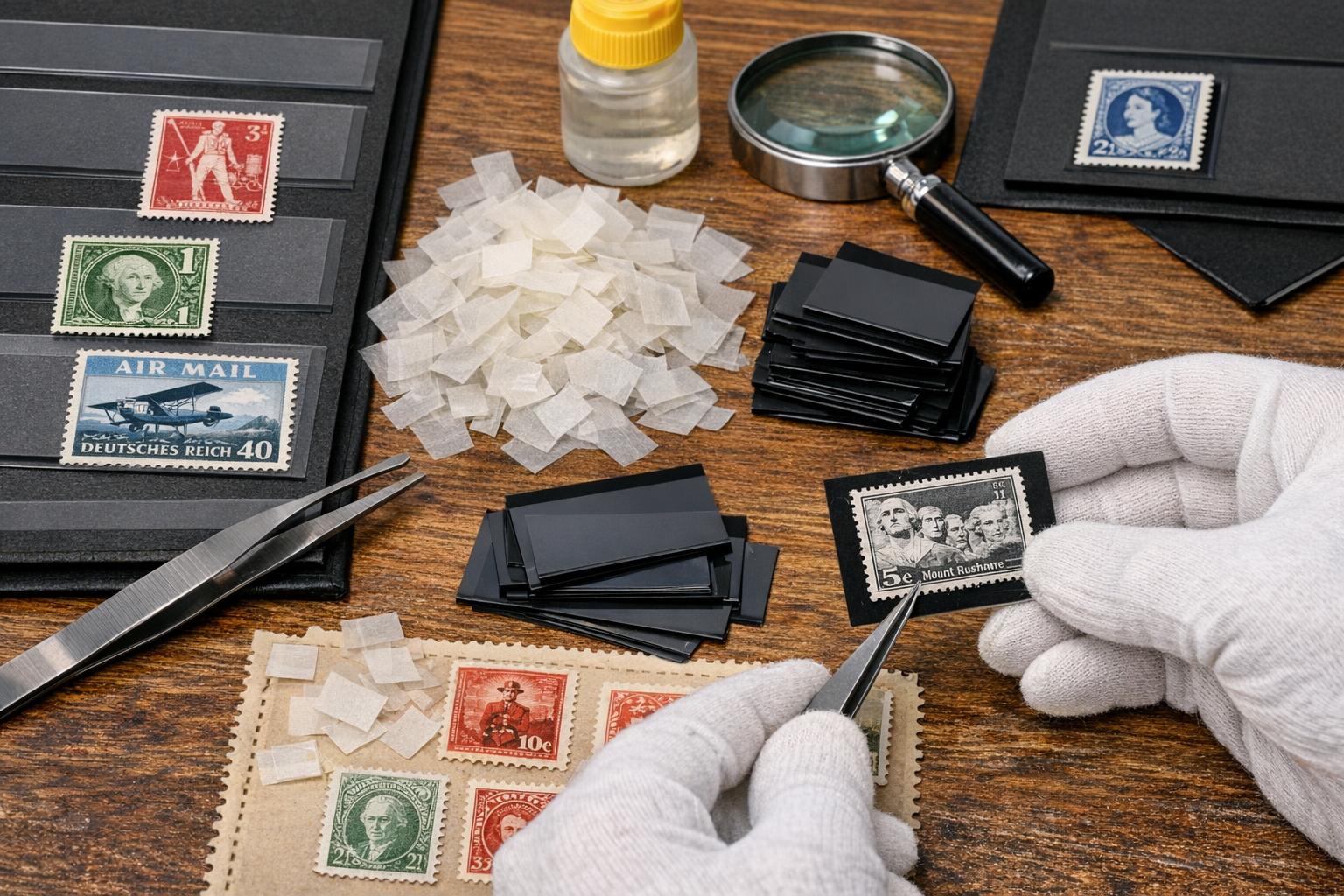
2. Stamp tongs (tweezers designed for stamps)
3. A magnifying glass or jeweler’s loupe (10x recommended)
4. Perforation gauge (optional but useful)
5. Watermark detection fluid or watermark tray (for non-destructive testing)
6. Archival-quality stamp mounts and stock pages
7. Acid-free envelopes or glassine envelopes
8. Digital camera or smartphone with macro capability
9. Notebook and archival pens for provenance notes
10. Gloves (thin cotton) to avoid oils on stamps
### Step-By-Step Assessment And Preservation
1. Establish A Clean Workspace
– Work on a flat, clean surface away from food, liquids and direct sunlight. Lay down a soft cloth to prevent slipping. Formality here reduces accidental damage.
2. Handle With Care
– Always use stamp tongs; never handle stamps with bare fingers. Oils and moisture from skin can irreparably harm gum and paper. Gloves are optional but preferred when touching covers.
3. Initial Visual Survey
– With a loupe, scan for major visible features: design, perforations, cancellations, and obvious errors. Photograph each page and any loose or detached stamps immediately. Proper documentation begins at discovery.
4. Separate By Country And Era
– Organize stamps loosely by country, then by era. This helps identify sets and rare runs. Use archival stock pages or glassine envelopes for temporary sorting.
5. Check For Watermarks And Perforations
– Use watermark fluid on a watermark tray to reveal hidden marks without soaking stamps. Use a perforation gauge to note measurements. Record results meticulously in your notebook.
6. Assess Condition Formally
– Note any faults: thins, creases, tears, repairs, regummed backs, or heavy cancellations. Condition is a formal determinant of value; even perfect rarity loses value if damaged.
7. Preserve Properly
– Place valuable or potentially valuable stamps into archival mounts and stock pages. Store albums upright in a cool, dry location with stable humidity. Avoid attics and basements prone to extreme temperatures or mold.
8. Document Provenance
– Transcribe any inscriptions, dealer marks, or old appraisal notes. Photograph covers and entire envelope fronts; postal markings and routes can add significant value.
9. Research Catalogue Numbers
– Consult current stamp catalogues (Scott, Stanley Gibbons, Michel) to estimate rarity and reference numbers. Use auction databases to compare realized prices for similar items.
10. Prepare For Professional Appraisal
– Compile your photographs, provenance notes, and catalogue references into a single folder. Contact reputable dealers or philatelic societies for referrals to certified appraisers. Do not sell to the first buyer who appears; professional valuation provides leverage.
## When To Call In The Experts On An Inherited Stamp Collection
Some discoveries demand immediate professional attention. If you encounter any of the following, initiate a formal valuation process without delay: embossed printing, clear printing errors (inversions, missing colors), stamps with certificates already included, stamps from rare provisional issues, or covers with significant postal routes. These are not just signs an inherited stamp collection could be valuable — they are urgent triggers.
Specialized philatelic auction houses and certified appraisers provide authentication services and can issue certificates of genuineness. Authentication is essential if you hope to realize the highest market prices; it transforms speculative excitement into marketable credibility.
### Legal And Tax Considerations With Inheritance Stamps
Inheritance often brings legal and tax implications. Documenting provenance and obtaining professional appraisals can affect estate valuations and tax filings. If the haul is substantial, consult an attorney or tax advisor familiar with collectibles. Formal appraisals can also protect heirs from disputes and ensure fair division among beneficiaries.
### How To Spot Scams And Predatory Buyers
Not every buyer wears a suit and offers honest prices. Some will use high-pressure tactics or claim unverified market data. Legitimate firms will provide references and allow independent authentication. If someone demands immediate sale without documentation, that is a red flag — another one of the signs an inherited stamp collection could be valuable is the sudden surge of eager, unverified buyers.
### Quick Checklist For Your First 48 Hours
– Photograph everything in natural light.
– Separate the most interesting items and secure them in glassine envelopes.
– Avoid attempting cleaning or repair yourself.
– Reach out to a philatelic society or local reputable dealer for guidance.
Keep these motions deliberate: haste can destroy value. Treat the discovery like fragile evidence — because to the right buyer, that old album may be priceless.
Remember, every estate hides stories. Sometimes they’re worth the price of lunch; sometimes they’re the stuff of headlines. If you’ve found the signs an inherited stamp collection could be valuable, you may be holding more than memories — you could be holding a headline-making treasure.
Leave a Reply