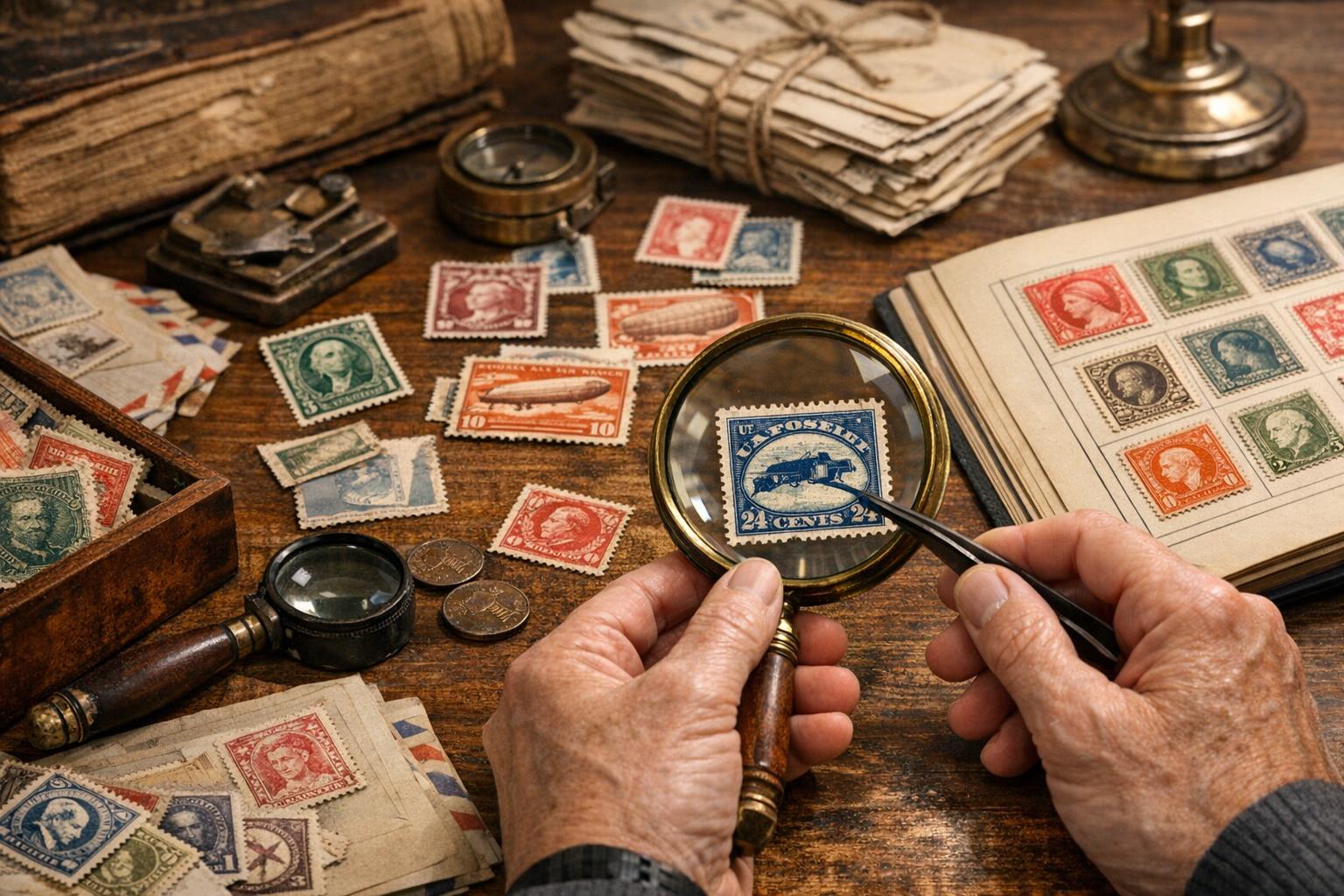
Collectors often find a dusty shoebox in the attic and ask the same irresistible question: are these little rectangles of paper hiding treasure? The romance of rare designs, the thrill of an error stamp, and the patience of building a collection all collide into a single query that sends hobbyists to catalogs, forums, and auction houses.
## Are Old Stamps Worth Anything? A Curious Collector’s Guide
Whether you inherited stamps or bought a mixed lot at a flea market, many people wonder: are old stamps worth anything beyond sentimental value? The short answer is: sometimes. The long answer depends on several factors—condition, rarity, demand, provenance, and sometimes sheer luck. Here’s a creative yet practical guide to help you decide whether that stack of vintage postage is a small treasure or a charming hobby.
### How Experts Decide If Old Stamps Are Valuable
Stamp experts evaluate dozens of details before pronouncing how much an item might fetch. Condition is paramount: centering, gum condition, perforation integrity, creases, and tears all affect value. Rarity is next—how many were printed and how many survive today? Then there is demand; even a rare stamp has limited value if no one wants to buy it.
Catalogs and auction results are the industry language for stamp pricing, and they give a base expectation of what a particular issue is worth. Remember that catalog values usually assume an ideal grade; real-world prices reflect condition, market trends, and whether the stamp is mint, used, or has a notable cancellation.
### Common Traits That Create High Value
– Errors: Misprints, inverted centers, wrong colors, or missing overprints can make ordinary stamps suddenly rare.
– Limited Runs: Short production runs, provisional issues, and early printings often command higher prices.
– Historic Significance: Stamps connected to notable events or early postal history can be highly collectible.
– Provenance: A documented chain of ownership, especially linked to famous collections, can increase value.
– Condition: Crisp gum, sharp perforations, and perfect centering are the hallmarks of premium items.
### How To Estimate A Stamp Worth Without Getting Overwhelmed
If you’re wondering whether to invest time and money pursuing an appraisal, start simple. Check major catalogs (Scott, Stanley Gibbons, Michel) for a reference price. Search auction archives for realized prices rather than asking prices. Online marketplaces give a sense of current demand. For a quick check, photograph the front and back under good light, then compare to known listings.
But keep this in mind: catalogs are a guide to catalog value, not a guarantee of sale price. Antique dealers and collectors negotiate based on condition and current stamp pricing trends. So when you ask “are old stamps worth anything,” think of it as “they might be, but precise valuation needs context.”
### When To Seek A Professional Appraisal
If you suspect rarity—unusual perforations, watermarks, scarce overprints—or you have older classic stamps in pristine condition, consult a professional. An accredited philatelic society or a dealer who specializes in the country or era of the stamps can provide authentication and valuation. Professionals consider the market and can issue certificates when necessary, which often raises buyer confidence and sale potential.
### How To Preserve Old Stamps: A Practical Remedy For Collectors
Caring for stamps preserves potential value. Below is a formal, step-by-step preservation remedy for cleaning and stabilizing common issues without damaging the stamp.
#### Materials And Tools Required
– Clean, lint-free tweezers (stamp tongs)
– Soft-bristled brush
– Distilled water
– Shallow glass or ceramic dish
– Soft blotter paper or unprinted white paper towels
– Archival-quality stock pages or mounts
– Non-acidic storage boxes or albums
– Magnifying loupe (10x)
– Protective gloves (optional)
#### Step-By-Step Preservation And Cleaning
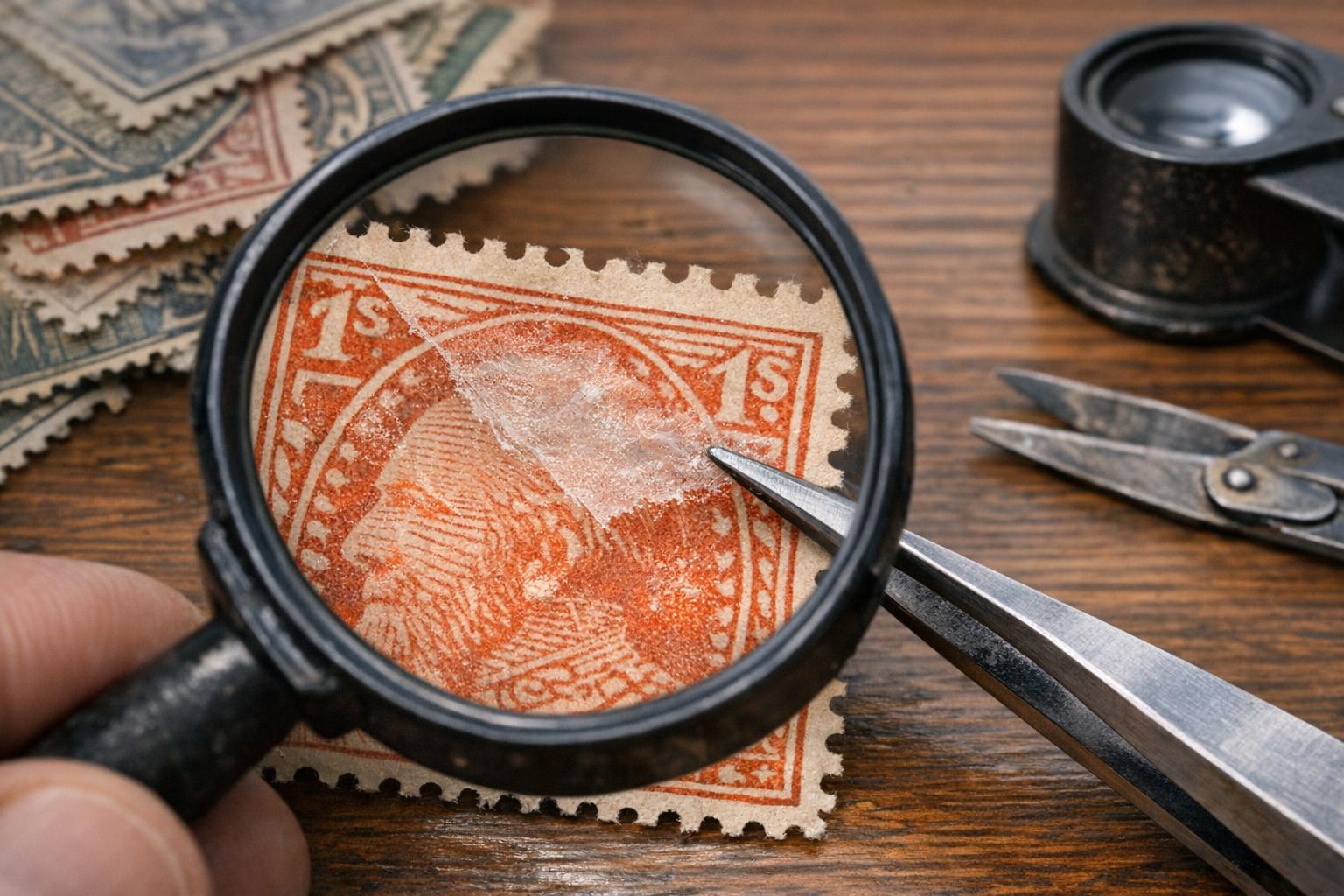
1. Assess Condition: Using a loupe, inspect for tears, thins, heavy cancellations, or mold before any intervention. Do not attempt to wet stamps with mold or heavy damage—seek a conservator.
2. Remove Loose Dirt: Gently brush the surface with a soft-bristled brush while holding the stamp with tongs. Do this over a clean, flat surface to catch any debris.
3. Test For Color Fastness: Dip a corner of the stamp edge in distilled water on a spare piece if available. If color runs, do not immerse the stamp.
4. Soak (If Safe): For stamps that pass the color test and have removable paper or old hinge remnants, place the stamp face up in a shallow dish of distilled water for 1–3 minutes. Do not rub.
5. Lift And Drain: Use tongs to lift the stamp and let excess water drain back into the dish. Avoid touching the gum side if possible.
6. Dry Flat: Place the stamp face down on blotter paper; then place another blotter on top and weigh gently with a flat, non-staining object to keep the stamp flat while drying. Replace blotter layers if they become too wet.
7. Press And Store: Once dry, mount the stamp in archival-quality stock pages or mounts. Store the pages in a non-acidic album and keep them in a cool, dry place away from sunlight.
8. Record Provenance: Note where and how you acquired the stamp, any catalog references, and any professional opinions. Documentation supports later valuation.
### What To Avoid: Common Mistakes That Reduce Value
– Using regular tape, glue, or non-archival mounts.
– Ironing or aggressive flattening that damages gum or paper.
– Chemical cleaners or bleaching agents.
– Exposing stamps to direct sunlight or humid conditions for extended periods.
### Understanding Catalogs And Stamp Pricing
Catalogs remain the backbone of stamp worth evaluation, but they are not infallible. Catalog editors list values based on condition tiers and theoretical market conditions. When researching stamp pricing, compare multiple sources. Auction houses reveal realized prices, sometimes showing that a “catalog value” is optimistic. Keep detailed notes and cross-reference similar items; slight differences in centering or cancellation can swing a price widely.
### Selling Old Stamps: Options And What To Expect
Decide whether you want a quick sale or maximal return. Dealers will give convenience and immediate payment but often at a discount. Auctions and specialized online marketplaces can bring higher prices but involve fees and effort. Consignment to a reputable auction house is a good route for rarities. Always get multiple opinions and, for expensive items, obtain certification.
#### Where To Sell
– Specialized stamp dealers
– Philatelic auction houses
– Recognized online marketplaces with philately categories
– Local stamp clubs or societies
### Signs Your Collection Might Be More Than A Hobby
If you locate commemorative issues in pristine mint condition, classic stamps from the 19th century, or any clear printing errors or rare cancellations, your odds of finding high-value items increase. When people ask, “are old stamps worth anything,” the answer tilts toward yes if those factors are present and documented.
### Resources For Continued Learning
Join local clubs, subscribe to philatelic journals, and attend stamp shows. These communities can teach you nuances of regional issues, watermark identification, and specialty areas that catalogs only touch upon. Being informed helps you ask the right questions when negotiating prices or seeking certification.
### Quick Checklist For Inspecting A Lot
– Date Range: Is the issue from a classic era (mid-1800s to early 1900s)?
– Condition: Any tears, thins, heavy cancellations, or missing gum?
– Rarity Signs: Odd perforations, colors, overprints, or inverted centers?
– Documentation: Any previous appraisals or certificates?
– Market Clues: Recent auction sales or catalog listings for similar items?
As you sift through pages and envelopes, keep asking with curiosity and a critical eye: are old stamps worth anything? For many, the answer is yes—but accurate valuation requires care, research, and sometimes professional help.
Leave a Reply