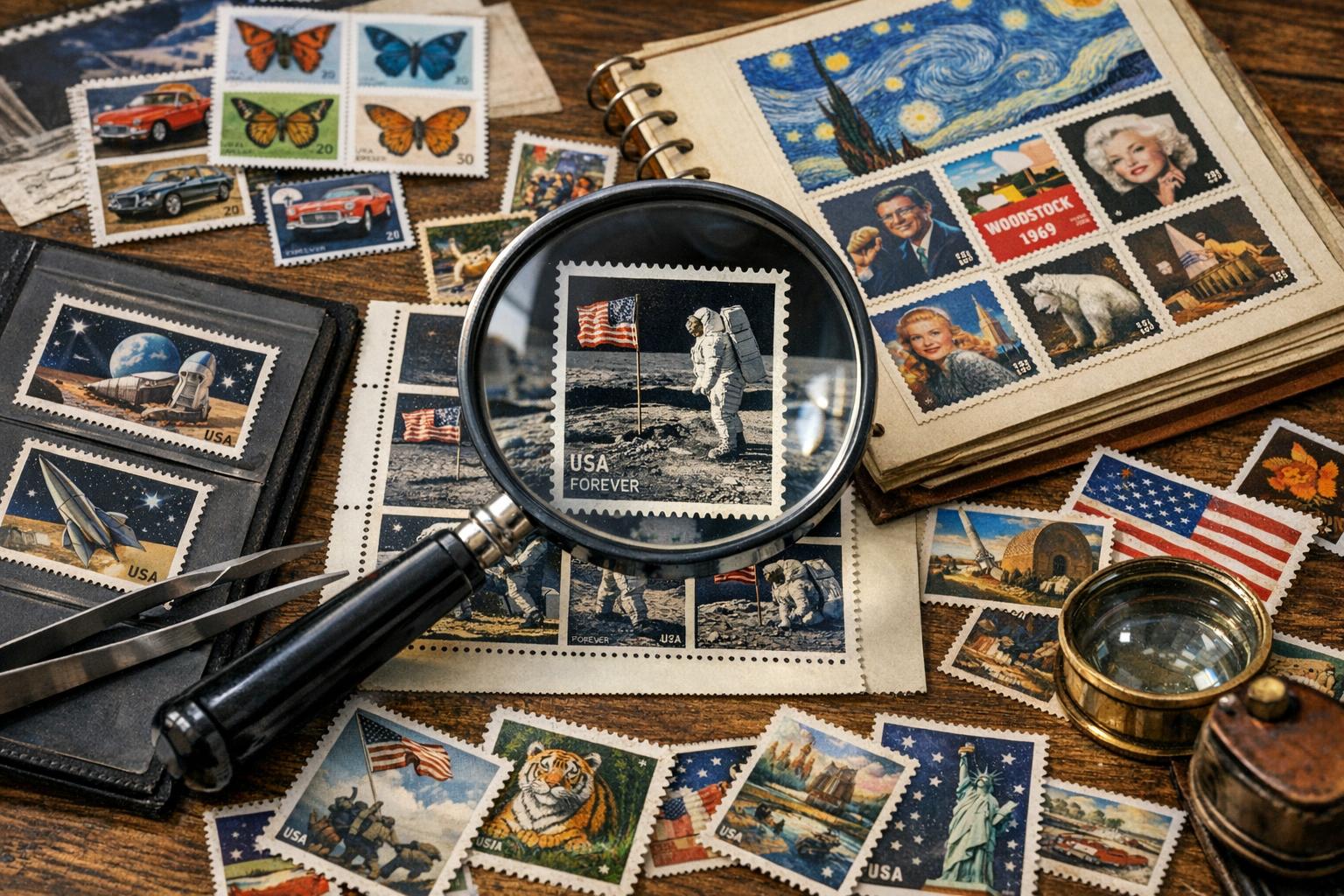
## What Are Commemorative Forever Stamps: A Collector’s Guide
There is a quiet magic to postage that goes beyond its face value: tiny canvases that commemorate people, places, events, and ideas. For collectors and casual admirers alike, the question “what are commemorative forever stamps” opens a doorway into design, history, and the small rituals of preservation. This guide explores that doorway with curiosity and care, offering creative context and a practical remedy for keeping these treasures in mint condition.
### Origins And Purpose Of Commemorative Issues
Commemorative stamps were created to honor anniversaries, cultural milestones, notable individuals, and national achievements. The phrase “what are commemorative forever stamps” often prompts collectors to ask whether these issues differ from regular postage or from definitive stamps. Commemorative stamps are typically issued in limited runs, carry distinctive artwork, and are released on or near the date of the event they celebrate.
Commemorative forever stamps add a functional twist: they are sold at the current first-class rate but remain valid for that rate indefinitely. That combination of finite design runs with indefinite postage value is central to their appeal and to why collectors chase first-day releases and special cancellations.
### Design, Themes, And Artist Collaboration
Design is where commemorative stamps shine. Artists, designers, and engravers collaborate with postal services to produce small-scale works that must convey meaning at a glance. Themes range from natural history and space exploration to literature and social movements. Many collectors seek series and set completions: a set of stamps that together tell a fuller story than any single issue.
When exploring “commemorative stamps explained,” note that the visual language—color, typography, and iconography—often reflects the historical moment or cultural mood that the stamp commemorates. This makes each issue a snapshot of how institutions chose to remember an event.
### Production, Printing Methods, And Variants
Commemorative issues are produced using a variety of printing techniques—offset lithography, intaglio, gravure, and digital printing. Variations arise in perforation, paper type, gum, and color trials. These production details are crucial for serious collectors determining scarcity and value.
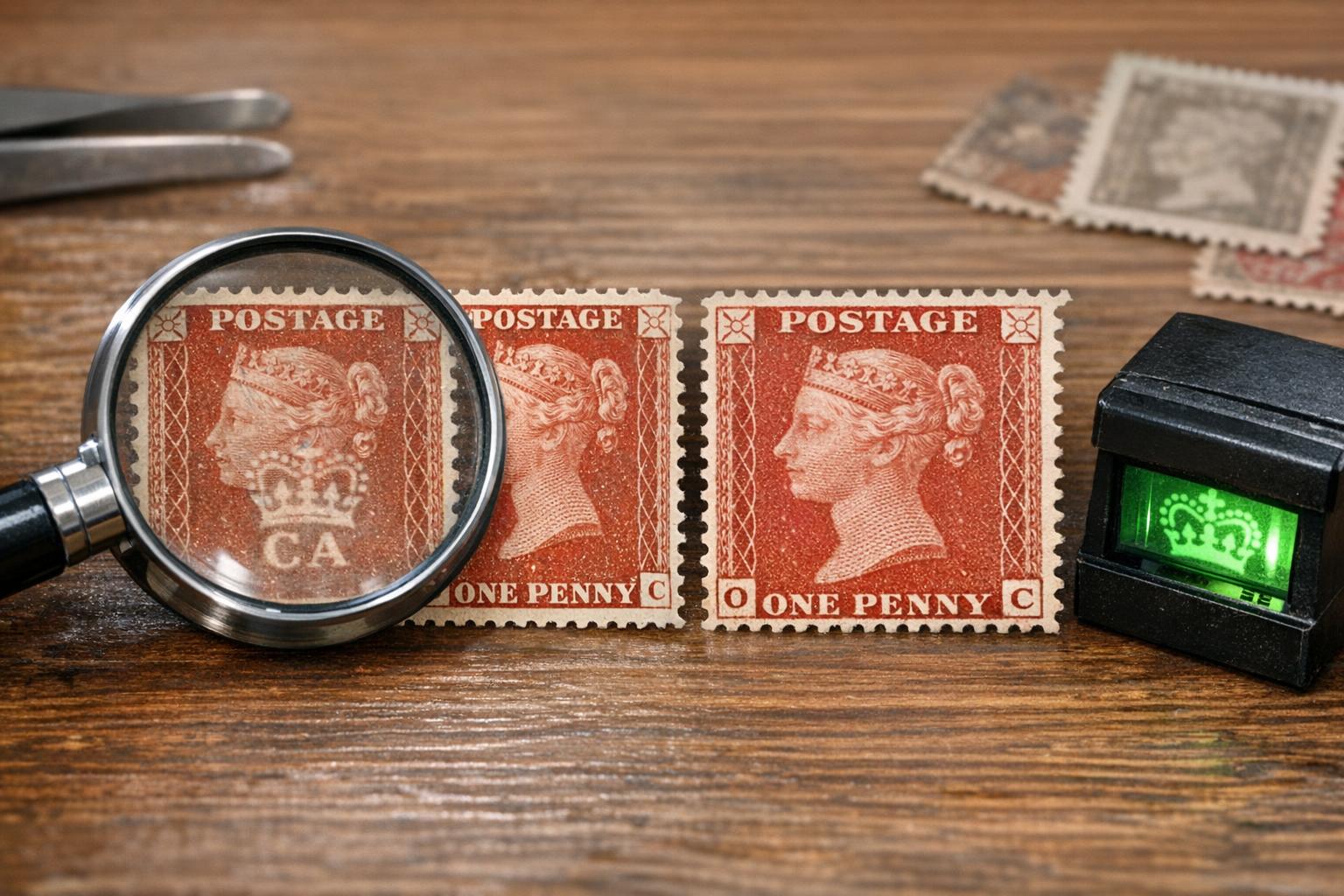
If you ask “what are commemorative forever stamps” from a philatelic perspective, it’s useful to understand how plate numbers, selvage markings, and misprints can transform an ordinary release into a sought-after collectible. Limited print runs and unique production quirks are often the genesis of future rarities.
### How To Build And Curate A Collection
Collecting can be democratic—anyone may start with a single favorite issue—or methodical, focusing on themes, countries, or eras. Good practice includes acquiring mint examples, obtaining first-day covers, and documenting provenance when possible. Display choices—hinges, mounts, album pages—affect condition and value.
When beginners ask “what are commemorative forever stamps” and how to start, the short answer is: decide whether you collect for art, history, investment, or personal nostalgia, and then build simple systems for storage and documentation.
### Value, Market Trends, And Rarity
Not all commemorative forever stamps appreciate over time; many remain modest in monetary value while growing in historical and aesthetic worth. Factors that increase market value include limited issue quantity, printing errors, unique cancellations, and the stamp’s significance to a broader cultural narrative.
For clarity in market conversations, the phrase “commemorative stamps explained” is a helpful prompt to separate sentimental value from monetary value—both matter, but they operate on different timelines and with different buyers.
### How To Identify Authentic Commemorative Forever Stamps
Authenticity is central for collectors. Inspect paper, gum, printing clarity, and perforations. Compare suspected rarities against authoritative catalogs and dealer references. If in doubt, seek expertization from recognized philatelic organizations.
When you read “what are commemorative forever stamps” in collector forums, you’ll often see recommendations to join local clubs or online communities; experienced members can help spot fakes and confirm plate varieties.
### #### Storage Essentials For Long-Term Preservation
Proper storage prevents fading, creasing, and adhesive deterioration. Acid-free mounts, archival-quality albums, and climate control create the baseline conditions needed to preserve commemorative forever stamps for generations.
#### A Formal Remedy: How To Preserve And Store Commemorative Forever Stamps
This section provides a formal, step-by-step remedy—practical and precise—for preserving your collection. Follow these guidelines to protect both aesthetic and potential monetary value.
#### Required Materials
– Archival-quality stamp mounts or hinges (preferably polyethylene or mylar mounts)
– Acid-free album pages or archival stock paper
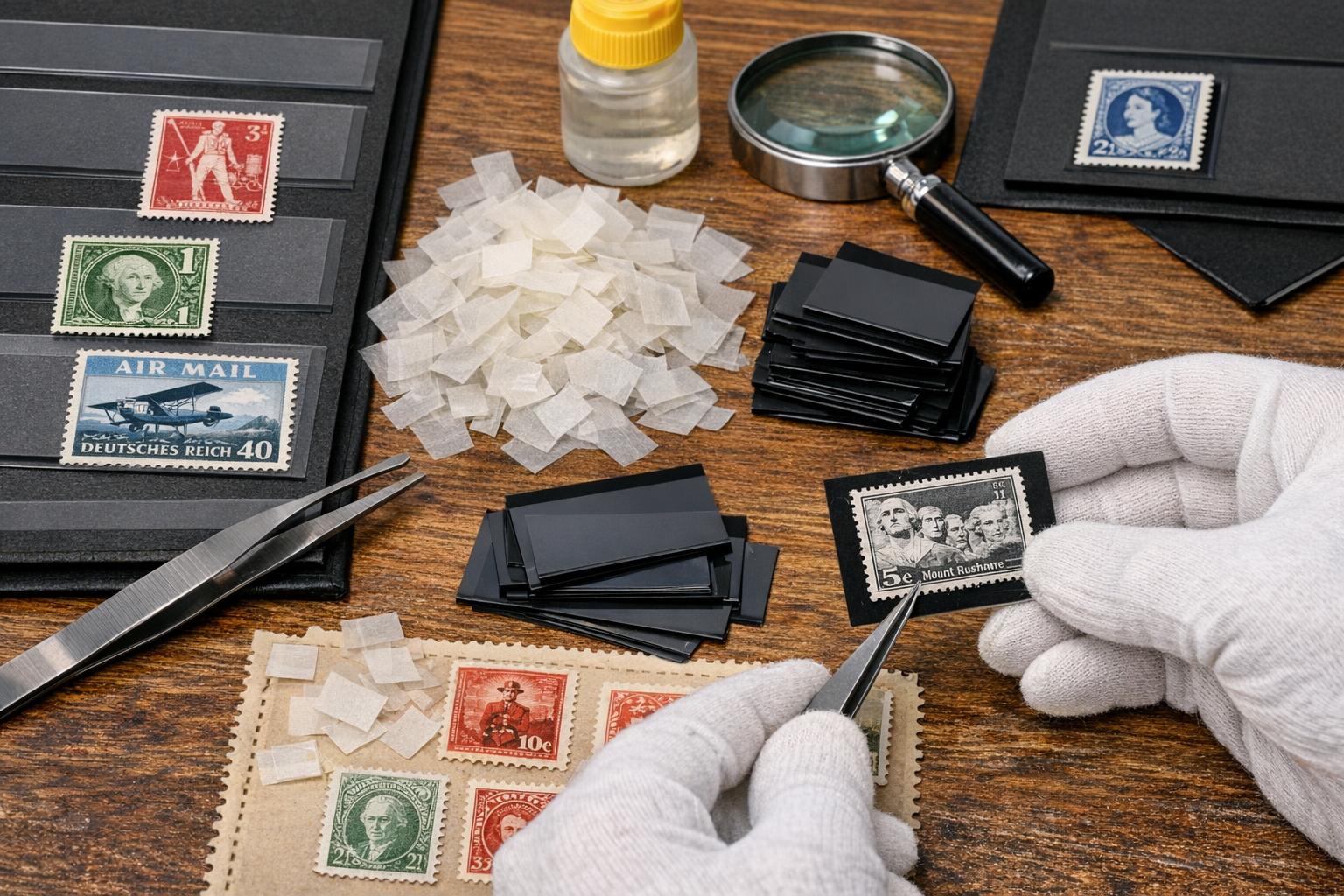
– Archival-quality stamp tongs (tweezers)
– A magnifying glass or loupe (10x recommended)
– Soft, lint-free cloths
– pH-neutral storage boxes or albums with dust covers
– Desiccant packets (silica gel) for humidity control
– A hygrometer to monitor relative humidity
– Cotton gloves (optional, for handling very rare items)
#### Step-by-Step Preservation Procedure
1. Prepare the Environment:
– Set a stable storage environment with relative humidity between 40–60% and temperature around 65–72°F (18–22°C). Use a hygrometer to monitor conditions and silica gel packets to control humidity variations.
2. Inspect Each Stamp:
– Using stamp tongs and a magnifying loupe, inspect stamps for pre-existing damage, gum condition, and any identifiable marks. Wear cotton gloves when handling exceptionally rare or oily-skinned stamps.
3. Clean Work Surface:
– Work on a clean, flat surface free of food, liquids, and direct sunlight. Use a soft, lint-free cloth to remove dust from album pages before placement.
4. Use Proper Handling Tools:
– Always handle stamps with tongs to avoid oils and pressure from fingertips. Avoid bending or flexing stamps during placement.
5. Mounting:
– For mint stamps: place each stamp in an archival-quality mount sized to its dimensions. Do not use regular adhesive tape or non-archival glues. If hinges are used, apply only archival, removable hinges and avoid creasing the stamp.
– For used stamps: mounts are preferred to prevent further handling wear. Ensure cancellation marks remain visible for provenance.
6. Album Placement:
– Arrange stamps with adequate spacing to avoid contact between stamps. Label each mount with issue date, country, and catalog number on separate, non-adhesive tags or penciled notes on album pages.
7. Climate Control:
– Store albums upright in closed cabinets away from direct sunlight and heat sources. Maintain humidity controls and replace silica gel packets periodically.
8. Regular Inspection:
– Inspect collections quarterly for mold, pest activity, color changes, or gum sticking. If mold is detected, isolate affected material and consult a conservation professional.
9. Transport Guidelines:
– When transporting, use padded archival boxes and avoid stacking heavy items on top. Keep in a climate-controlled vehicle where possible.
10. Documentation:
– Keep digital scans or high-resolution photos of valuable pieces and record provenance, purchase dates, and expertization certificates in a separate archive.
### Displaying And Sharing Your Collection
Displaying commemorative issues can be rewarding, but public exposure increases risk. Use UV-protective frames and rotate exhibits to minimize light exposure. If lending items, provide clear handling guidelines and secure insurance for higher-value pieces.
### Community, Research, And Continuing Education
Collectors benefit from clubs, stamp exhibitions, catalogs, and online resources. Participating in a community helps answer questions like “what are commemorative forever stamps” in practical terms—what to collect, how to evaluate condition, and where to find reliable supplies.
### Rarities, Errors, And The Thrill Of Discovery
Part of the joy of collecting is the occasional discovery: a plate error, color shift, or rare cancellation that transforms a modest stamp into a remarkable find. Understanding production processes makes these discoveries more meaningful; whenever you encounter an anomaly, reference catalogs and expert services before ascribing value.
### Ethical Collecting And Provenance
Responsible collecting includes respecting cultural sensitivities and provenance. Some issues commemorate contested events; collectors should be aware of context and source items ethically. When in doubt, seek reputable sellers and request documentation.
### Resources For Further Study
Reference catalogs, postal service bulletins, and recognized philatelic organizations provide authoritative information. Joining specialist groups focused on commemorative issues will deepen knowledge of both the artistic and technical sides of the hobby.
### Where To Find Commemorative Forever Stamps
New issues can be purchased directly from postal services, authorized dealers, or at philatelic events. Secondary markets—auctions, dealer networks, and collector-to-collector sales—offer variety but require diligence. When searching, use the phrase “commemorative forever stamps” for contemporary issues and “commemorative stamps explained” when seeking historical context or technical background.
Leave a Reply