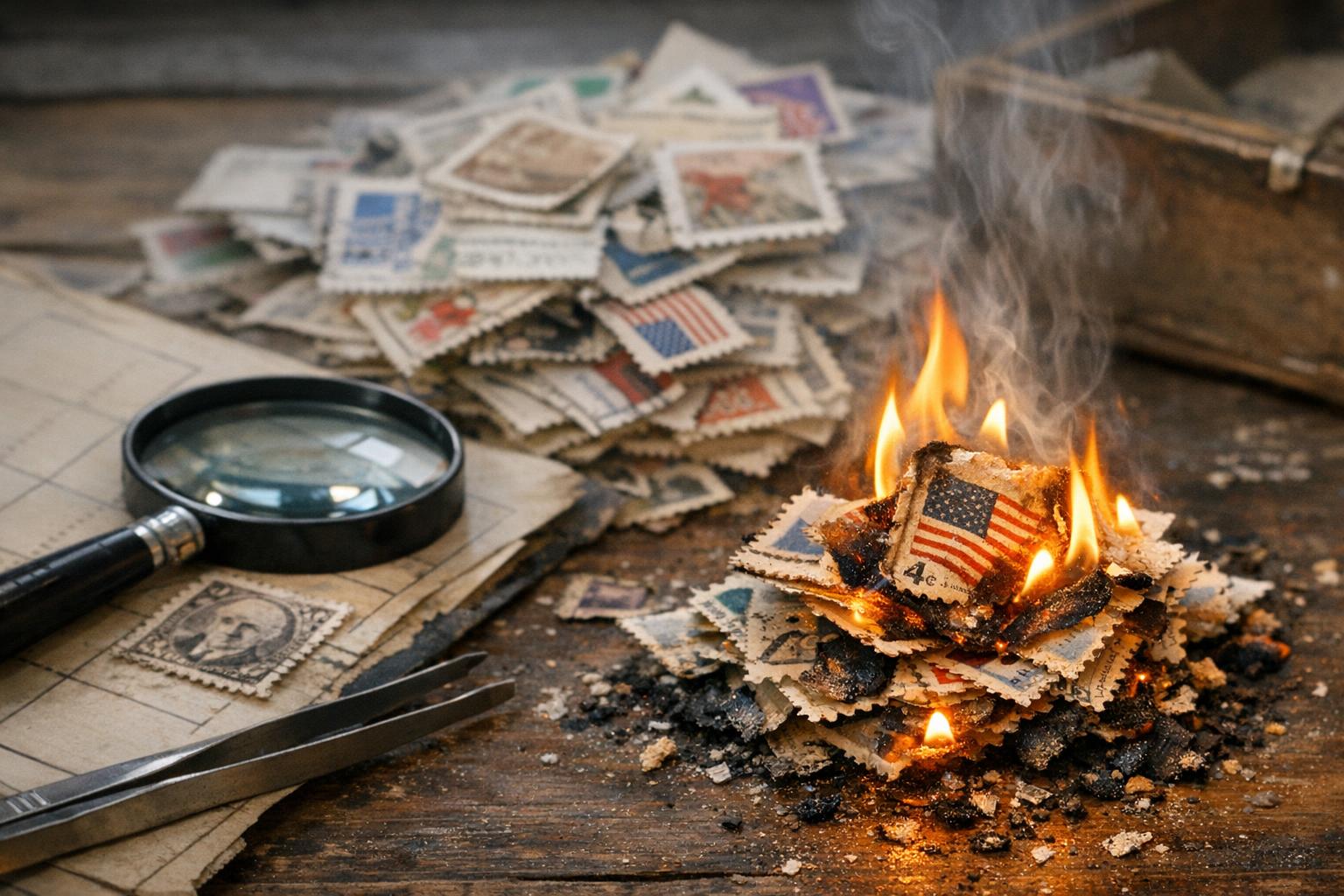
Prepare to have your philatelic illusions shattered! Collectors clutching dusty albums and online sellers hawking “rare” lots are in for a rude awakening: millions of stamps are effectively worthless. The scandal isn’t conspiracy — it’s cold, hard market forces and avoidable mistakes. Read on if you dare to learn the most common reasons stamps have little value and what you can actually do to rescue the few gems hiding in your shoebox.
## Most Common Reasons Stamps Have Little Value
### Overproduction And Lack Of Rarity
The first shocker is simple: quantity kills price. When governments print millions of identical issues to meet postal demand — or stamp-issuing agencies churn out commemoratives to boost sales — scarcity vanishes. That absence of rarity is one of the most common reasons stamps have little value. No matter how pretty, a design everyone owns rarely commands strong stamp values.
### Condition Catastrophes That Crush Prices
Collectors buy condition. Creases, tears, thins, heavy hinge marks, fading, and soiling are the silent killers of auction dreams. Even a classic issue can slide into stamps low value territory with a bent corner or water stain. Many sellers never learn that poor storage and careless handling destroy potential value faster than time creates it.
#### Gum And Cancellation Issues
Unused stamps with original gum usually fetch more — unless the gum is disturbed or browned. Conversely, common cancellations and mutilated postal markings can zap interest. Strange as it sounds, the very evidence of postal use can convert a hopeful item into one that’s effectively a “common” in the eyes of dealers.
### Misidentification And Lack Of Provenance
Misidentified stamps are castoffs. A minor color variant or watermark can turn a common issue into a rarity — or vice versa. The inability to verify provenance or precise catalog identification is among the most common reasons stamps have little value. Without documentation or expert authentication, buyers default to a conservative, low appraisal.
### Market Saturation And Collector Fads
Stamps are not immune to fashion. Once-glamorous topical themes can plummet when interest wanes. When a flood of dealer stock or estate lots enters the market, it pushes stamp values down. In short: popularity cycles and oversupply directly create stamps low value situations for many sellers.
### Forgery And Alterations
The horror stories of forged overprints, regummed classics, and doctored cancellations are real. Detection methods have improved, but many altered items still slip into sales. The risk of forgery is a central reason that potential collectors assign caution and price discounts, contributing to why the most common reasons stamps have little value include authenticity doubts.
### Lack Of Demand And Niche Collecting
Not all stamps are collectible. Postal history with tiny jurisdictional interest or modern local issues often attract no bidders. No demand equals negligible stamp values. Even condition and rarity cannot overcome a complete absence of buyer interest.
## Why Appraisals Often Fail And Prices Flop
### Naive Pricing And Emotional Sellers
Sellers often cling to sentimental values or rely on outdated catalogs, expecting big payouts. That mismatch between emotion and market reality is a core reason so many realize their stamps low value only after months with no bids. The market dictates prices, not memories.
### Poor Presentation And Listings
Online markets are brutal: fuzzy photos, no measurements, and careless descriptions kill trust. A professional-looking listing increases perceived value; sloppy presentations guarantee lower stamps low value outcomes.
### Locality And Accessibility Problems
If your stamps are hidden in a basement or stuck in a private estate sale, they won’t get exposure to the right buyers. Lack of market access is one of the most common reasons stamps have little value — no exposure equals no competition and depressed prices.
## 3 Remedies To Rescue Your Stamps From Becoming Worthless
The sensational part is over. Below are structured, practical remedies to address and reverse many causes that lead to poor stamp outcomes. These remedies are presented formally and with actionable steps so you can apply them reliably.
### Remedy 1: Proper Identification And Documentation
Required Materials:
– Reliable stamp catalogues (Scott, Stanley Gibbons, Michel)
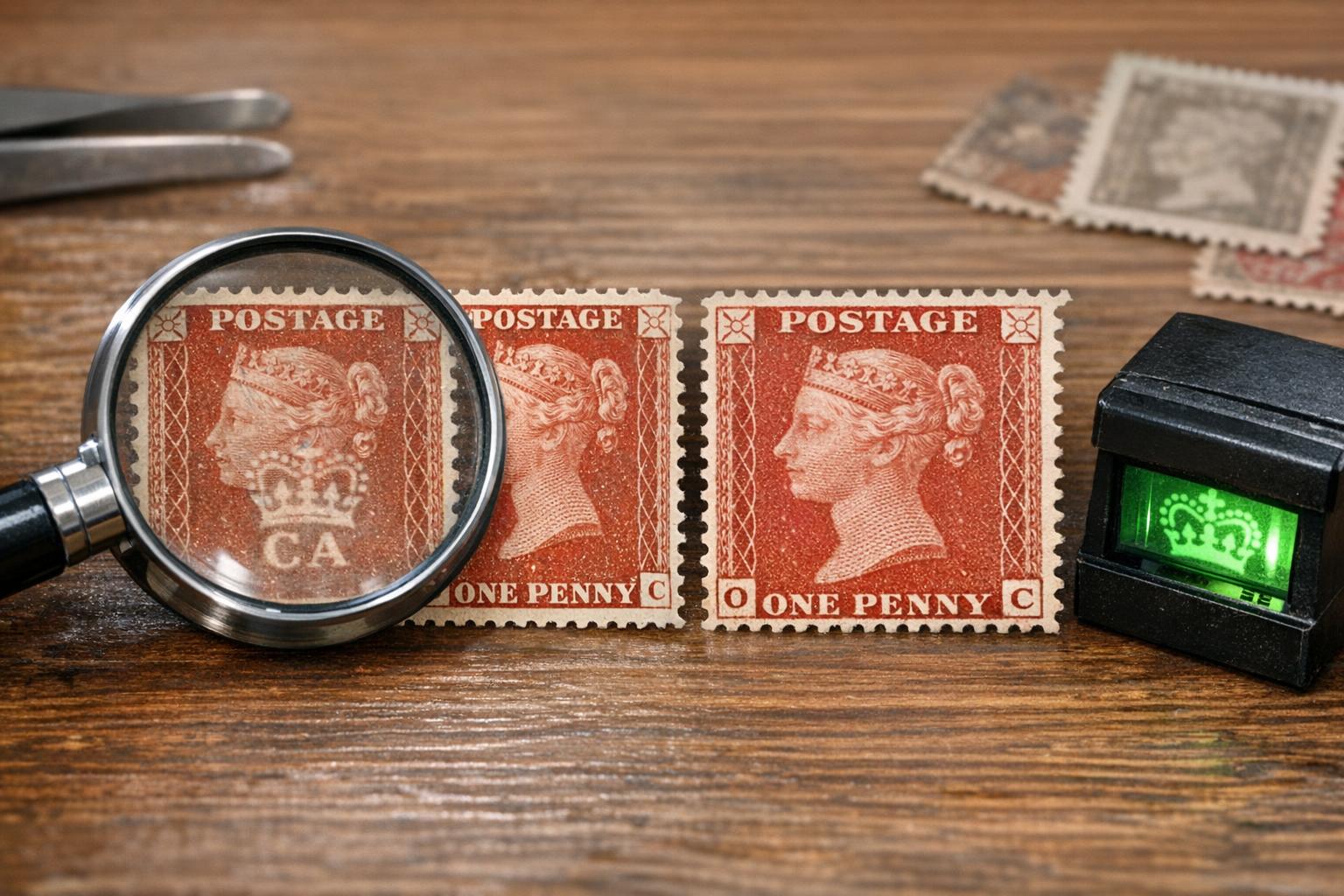
– Magnifying glass or stamp loupe (10x)
– Perforation gauge
– Watermark detector or simple watermark tray
– Notebook or digital inventory spreadsheet
– Digital camera or smartphone with macro capability
Steps:
1. Inventory: Create a written or digital list of your collection, noting country, year, denomination, and any visible varieties.
2. Use Catalogues: Cross-check each item against up-to-date catalog listings (catalogues yield baseline stamp values and identification keys).
3. Examine Details: Use the loupe, perforation gauge, and watermark detector to identify variations (color shades, perforation differences, watermarks).
4. Photograph: Capture high-quality images of each stamp from multiple angles and include close-ups of distinguishing marks.
5. Record Provenance: Note where each stamp came from and any prior appraisals or auction records.
6. Seek Specialist Opinion: For potentially valuable items, submit photographs and descriptions to a reputable dealer or philatelic society for preliminary assessment.
### Remedy 2: Conservation And Storage To Preserve Value
Required Materials:
– Archival-quality stamp mounts or hingeless mounts
– Acid-free stockbooks or archival albums
– Cotton gloves
– Archival paper envelopes or glassine
– Silica gel desiccants (for humid environments)
– Flat, dry storage area with stable temperature
Steps:
1. Clean Hands: Always handle stamps with cotton gloves or tongs to prevent oils and dirt transfer.
2. Flatten Carefully: If stamps are slightly curled, store them between acid-free sheets under a light weight for several days.
3. Mount Properly: Use archival mounts to protect unused and used stamps without touching the gum. Avoid adhesives.
4. Control Environment: Store albums in a cool, dry location away from sunlight. Use silica packets to mitigate humidity.
5. Isolate Damaged Items: Place any stamps with mold, active adhesives, or infestations into separate archival envelopes and consult a professional conservator.
6. Monitor Periodically: Inspect stored stamps twice yearly to detect early signs of deterioration.
### Remedy 3: Market Strategy And Smart Selling
Required Materials:
– Access to online auction platforms or philatelic dealers
– High-resolution photos
– Concise, accurate descriptions
– Optional: certificate of authenticity for high-value items
Steps:
1. Research Current Demand: Check recent sale prices for similar items on philatelic auction houses and online platforms to estimate realistic stamp values.
2. Choose Selling Venue: Use specialized auctions for scarce or high-grade material; use wider marketplaces for bulk lots.
3. Prepare Professional Listings: Include clear photos, exact measurements, condition notes, and provenance. Transparency reduces buyer skepticism and can avoid automatic discounts that create stamps low value impressions.
4. Consider Grading And Certification: For items suspected to be rare, obtain third-party grading or authentication to maximize buyer confidence and potential stamp values.
5. Package Securely: Ship with cushioning and tracking; poor shipping that damages items will obliterate future value.
6. Be Patient And Price Realistically: Avoid emotional overpricing. Use reserve auctions or set realistic starting bids informed by recent sale data.
### Extra Precaution: When To Seek Professional Conservation Or Authentication
Required Materials:
– Contact information for accredited philatelic societies and certified authenticators
– Photographs and inventory notes
– Financial estimate for certification services
Steps:
1. Isolate high-potential pieces based on catalog rarity and condition.
2. Contact professional authenticators for pre-submission advice.
3. Submit items with complete documentation and follow their protocols for packing and insurance.
4. Use certification results when marketing to justify higher asking prices and avoid being relegated to stamps low value lots.
## Shocking Statistics That Drive The Market
### Supply Versus Demand Realities
The philatelic market is unforgiving: millions of modern commemoratives and ubiquitous classics keep average stamp values depressed. Understanding these supply dynamics is critical to avoiding the common traps that turn your collection into a pile of stamps low value lots.
### The Reputation Factor
Buyers pay for trust. Items lacking provenance, certification, or clear condition assessments are routinely given steep discounts, showing why the most common reasons stamps have little value are often social and procedural, not merely about the ink on paper.
Keep these remedies close and apply them methodically. You’ll stop losing value to avoidable pitfalls and begin to separate the genuine treasures from the clutch of common paper that floods the market every year.
Leave a Reply